Skip to content
Purple Finch (Carpodacus purpureus)
Summary
- Natural history: Young male Purple Finches can breed in their first year despite still wearing the streaky brown plumage of females, so the rose-red males heard singing from treetops are always at least a year older. Vermont’s Purple Finch population is only about half of what it was four decades ago, and part of the blame may lie with the House Finch, a rival species that moved into 14 of the 17 priority survey blocks the Purple Finch abandoned between the two atlases.
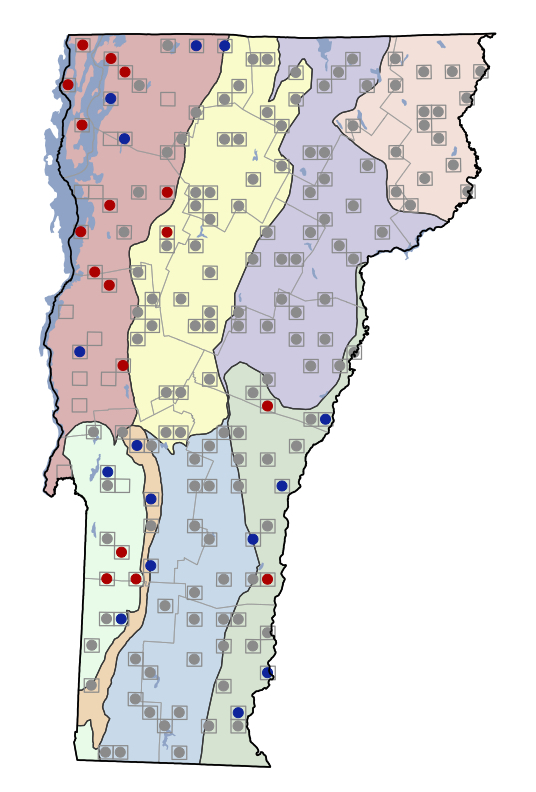
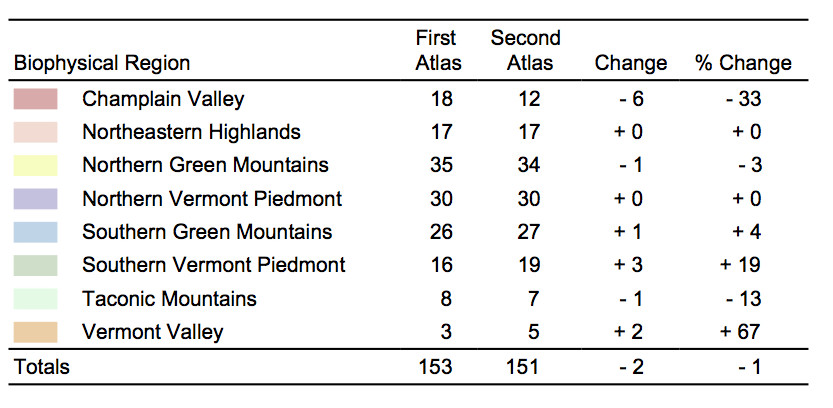
- Status in VT: Decreased by 1% (153 to 151 blocks). Greatest decrease in Champlain Valley. Shift in distribution to the south and east.
- Data from other research: No additional data for VT.
- Conservation status: State rank S5B; S4N
- Other atlases: NY: no change; PA: 22%; MD: 29.3%; ON: -5.7%
- VT’s role in North American range: VT is within the core of the range.
- Causes of change since first Atlas: Little change. Threats include: competition with House Finch; increased development; conjunctivitis (?).
- Management/Monitoring recommendations:No current recommendations.
Population Trends
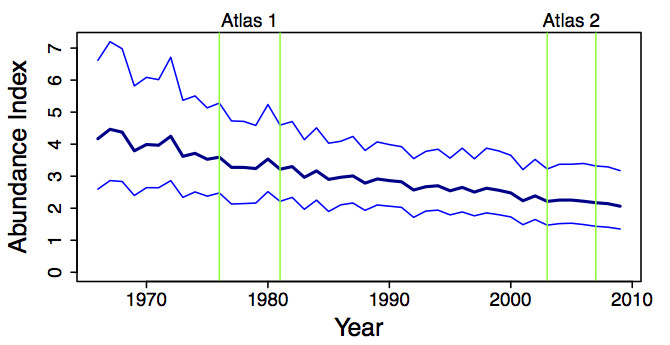
First Vermont Breeding Bird Atlas (1976-1981)
Species Account
Second Vermont Breeding Bird Atlas (2003 – 2007)
Species Account
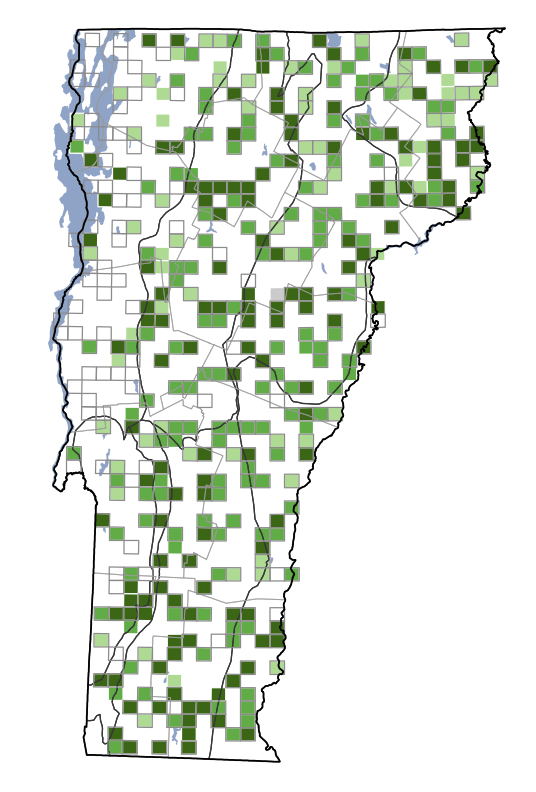
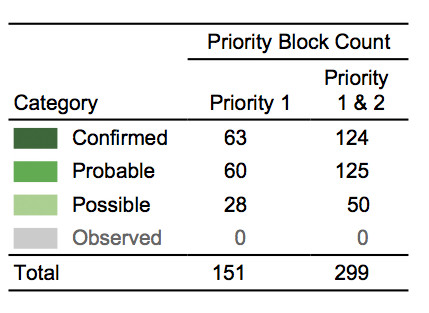
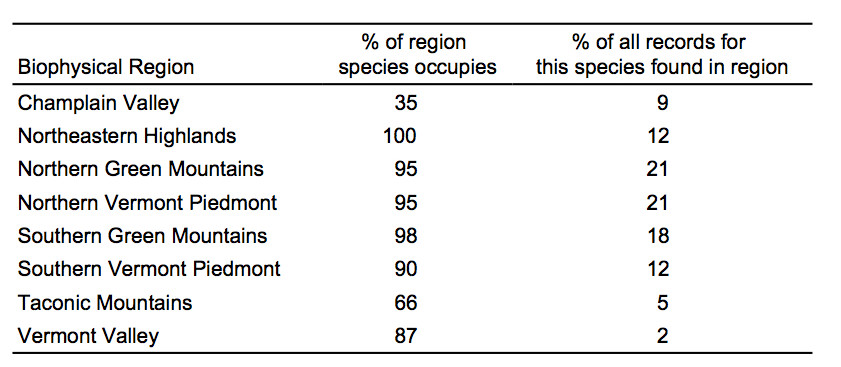
Change in Distribution

Links
Vermont eBird
Encyclopedia of Life
All About Birds