Summary
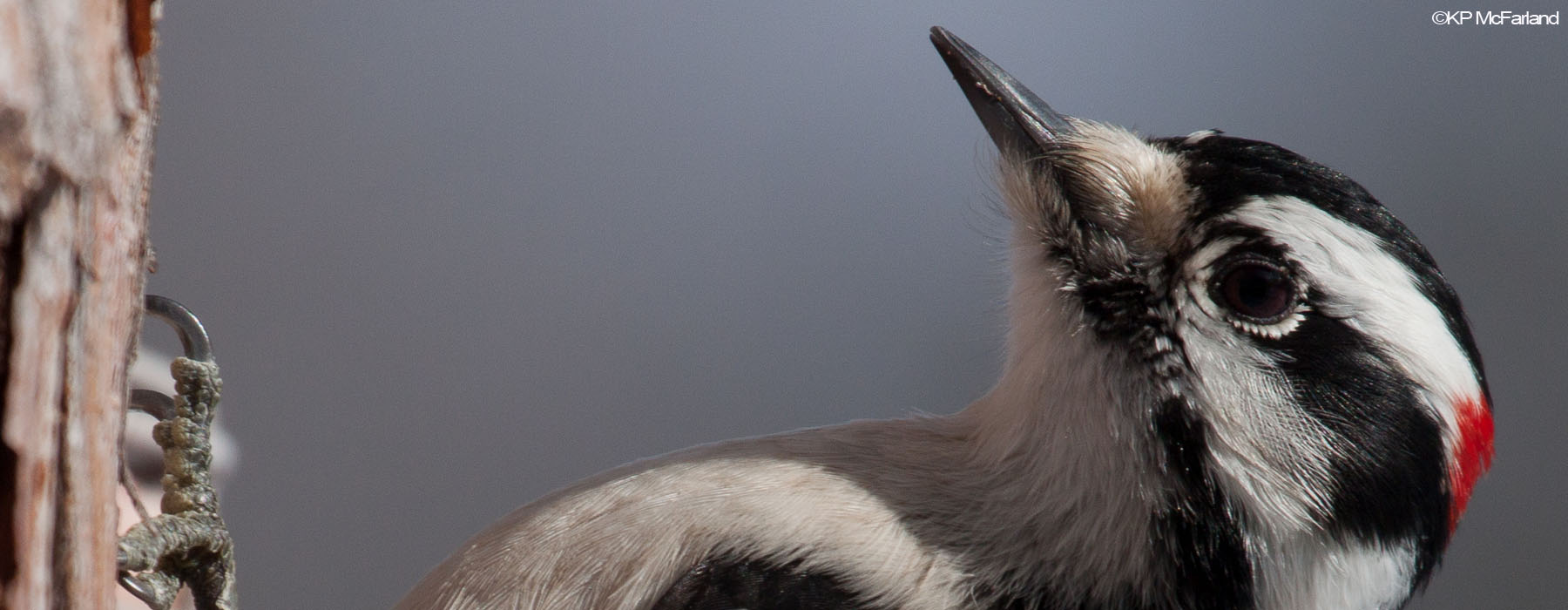
- Natural history: Vermont’s smallest woodpecker thrives wherever a few trees are scattered among open ground, from farmland and suburbs to city parks, and rarely bothers with large stands of mature forest the way its larger relatives do. It forages mostly on slender twigs and outer branches, a feeding niche that lets it share territory with the similar-looking but heavier-billed Hairy Woodpecker without direct competition, and some research suggests its numbers may edge downward as Vermont’s woodlands continue to mature and open habitat becomes scarcer.
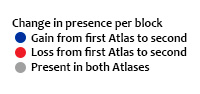
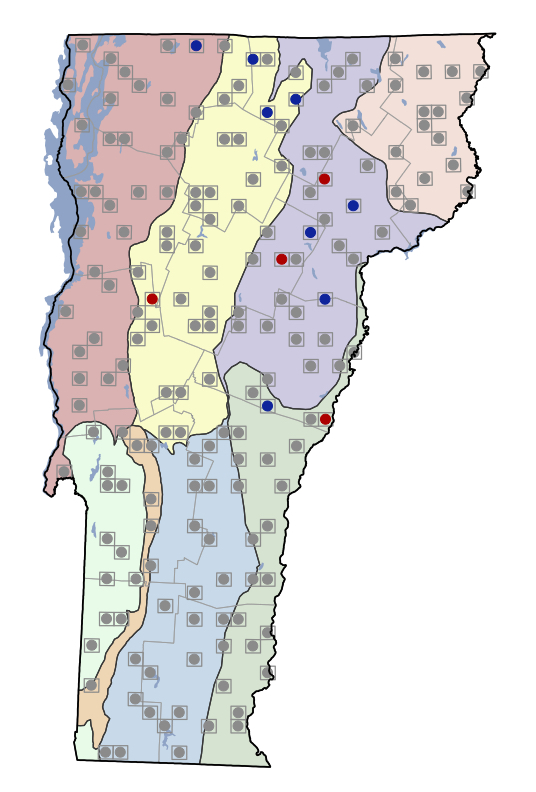
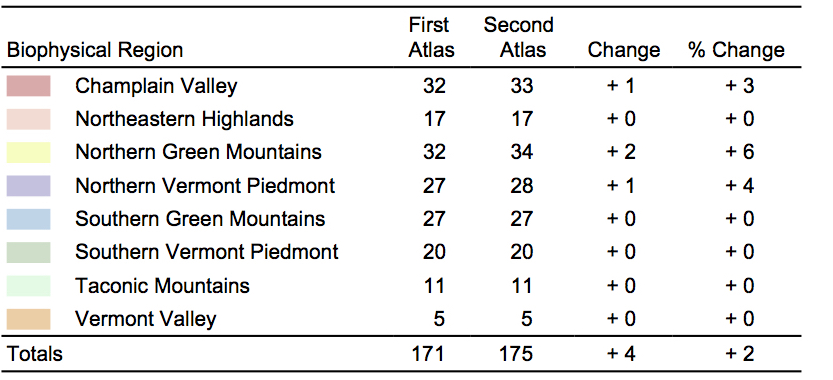
- Status in VT: Increased by 2% (171 to 175 blocks). Greatest increases in Northern Green Mountains.
- Data from other research: FBMP: no sig. trend; CBC: no change.
- Conservation status: State rank S5
- Other atlases: MD, NY, ON, PA: non-significant change
- VT’s role in North American range: VT is within the core of the range.
- Causes of change since first Atlas: No change documented, but could potentially decline as forests mature.
- Management/Monitoring recommendations:No specific recommendations.
Population Trends

First Vermont Breeding Bird Atlas (1976-1981)
Second Vermont Breeding Bird Atlas (2003 – 2007)
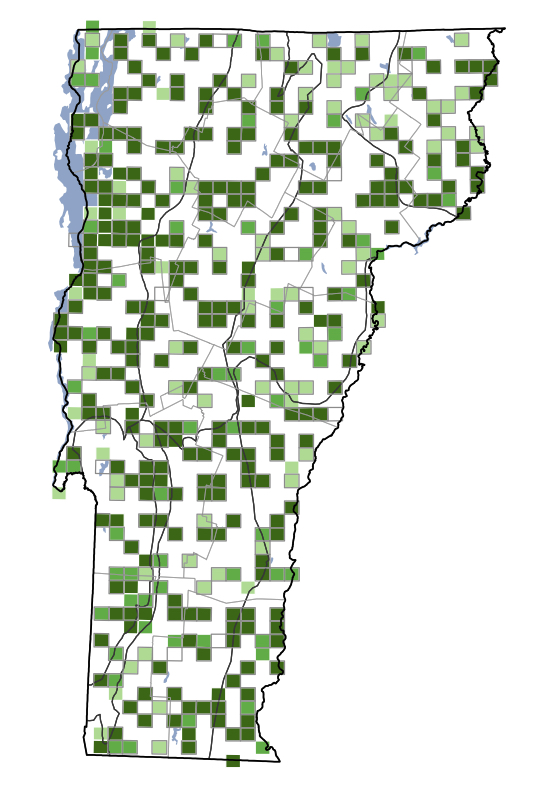

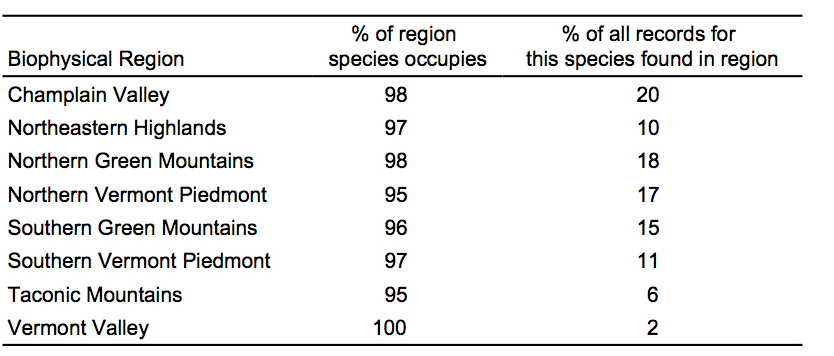
Change in Distribution
Links