Summary
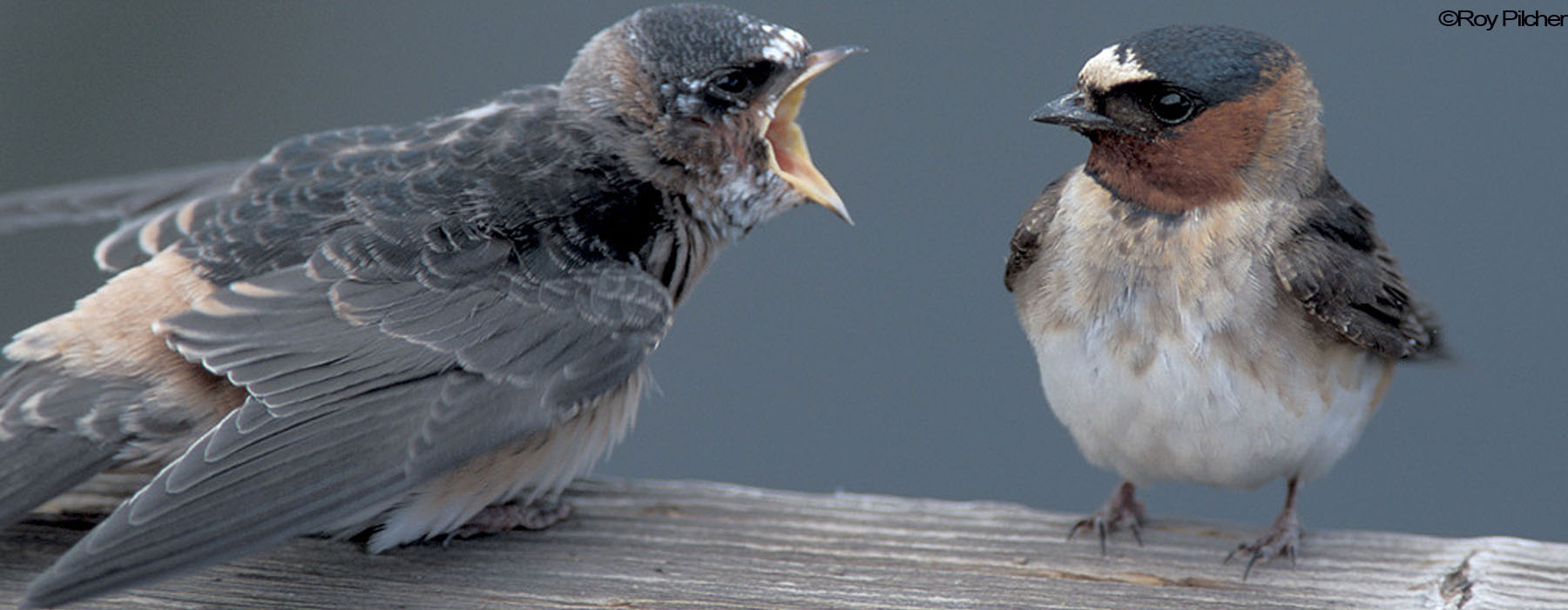
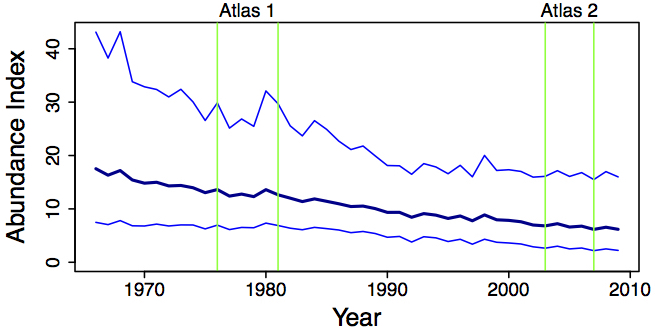
- Natural history: Cliff Swallows plaster mud into small jug-like nests, packed side by side in colonies under barn eaves and bridge decks, now that the natural cliff faces they once relied on have essentially disappeared from use in the eastern United States. Vermont’s Cliff Swallow numbers have declined sharply since the First Atlas, a trend widely tied to a 22 percent drop in the state’s farm acreage over the same period, which has meant less open pasture for hunting insects and, in some cases, less patience from property owners annoyed by the mess a colony leaves behind.
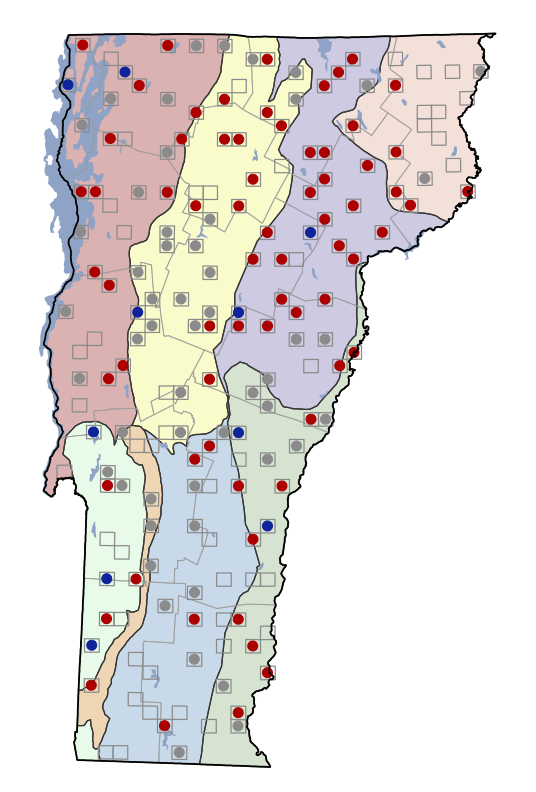
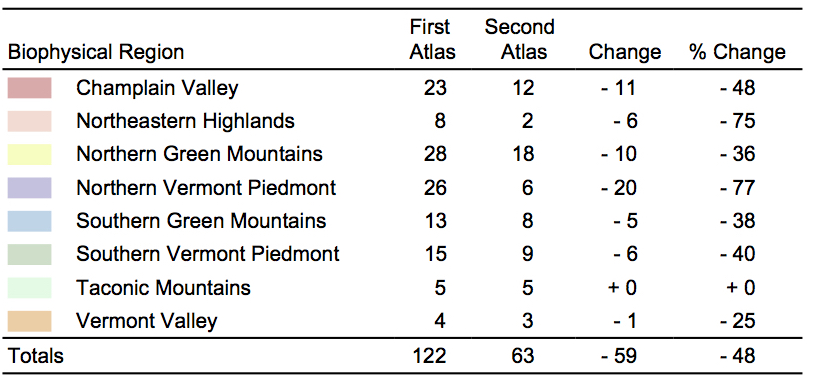
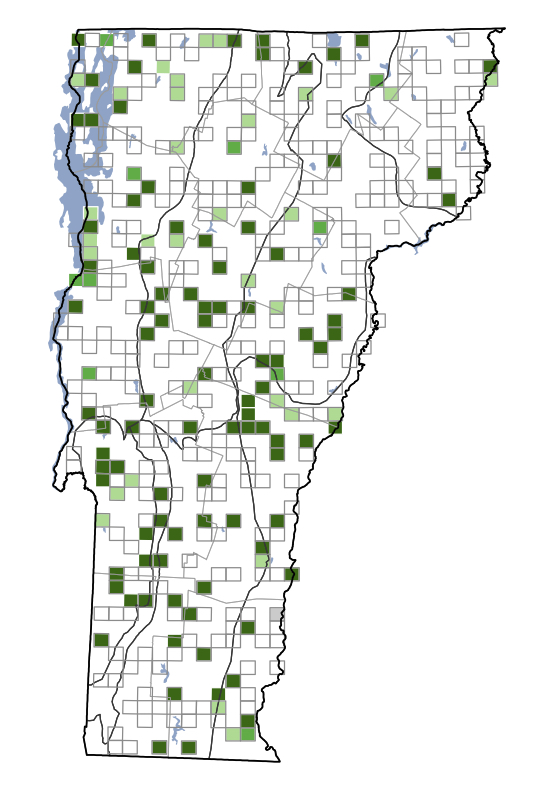
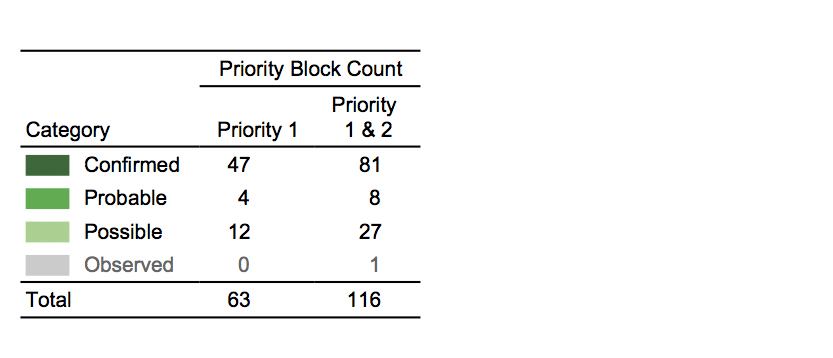
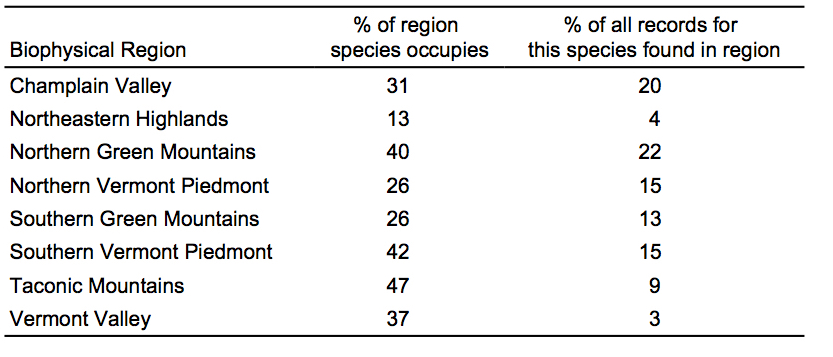
- Status in VT: Decreased by 48% (122 to 63 blocks). Greatest decrease in Northern Vermont Piedmont.
- Data from other research: No additional data for VT.
- Conservation status: State rank S4B
- Other atlases: NY: -12%; PA: -13%; ON: -50%
- VT’s role in North American range: VT is within the core of the range.
- Causes of change since first Atlas: Nest competition with House Sparrow (?); reduced insect prey populations associated with decline in farm acreage; destruction of nests in human structures.
- Management/Monitoring recommendations: Outreach and education highlighting benefits of Cliff Swallow colonies such as insect control.
Population Trends
First Vermont Breeding Bird Atlas (1976-1981)
Second Vermont Breeding Bird Atlas (2003 – 2007)
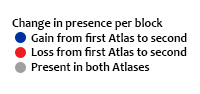
Change in Distribution