Summary
- Natural history: The Carolina Wren has pushed its breeding range northward for more than a century, from a single pair discovered nesting in Bennington County during the First Atlas to a well-established, year-round presence across the Champlain Valley by the Second Atlas, with birds now even turning up in Quebec. Because harsh winters can wipe out local populations outright, the species’ historic range limit was likely set by cold rather than habitat, and a roughly 3-degree rise in New England’s average winter temperature since the 1970s, aided by backyard bird feeders, is credited with letting the wren finally establish itself this far north.
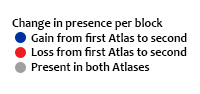
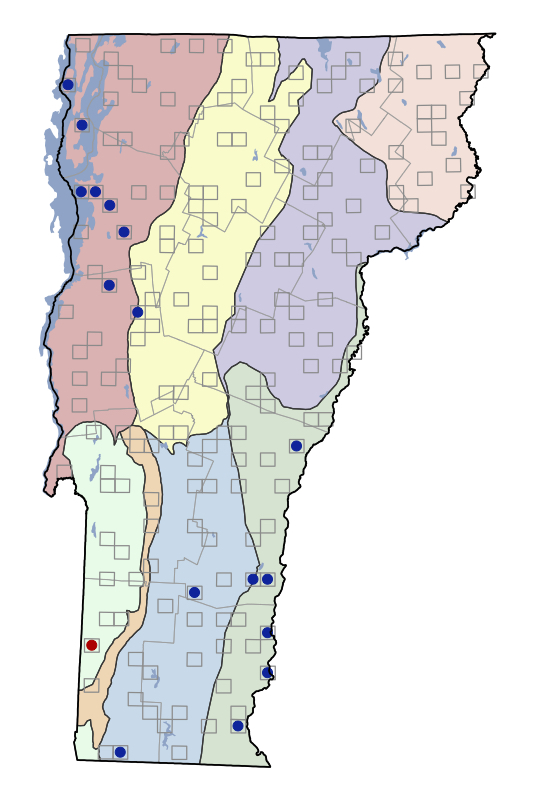
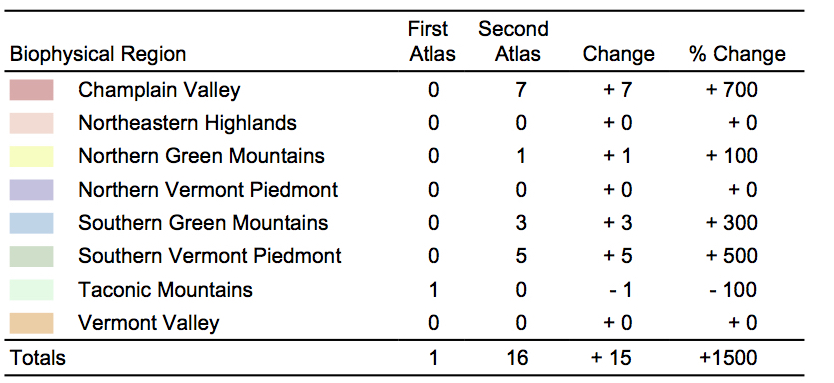
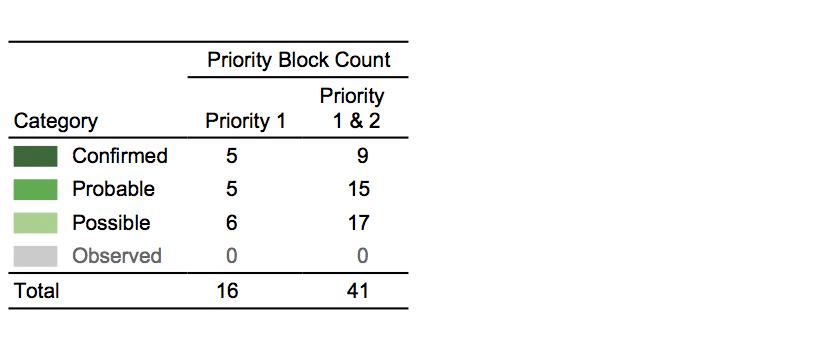
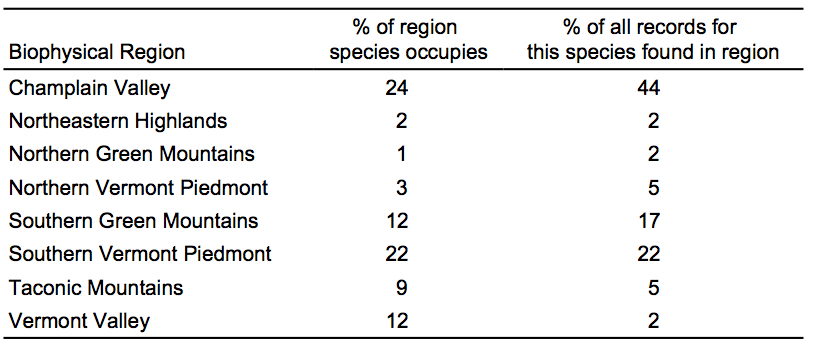
- Status in VT: Increased by 1,500% (1 to 16 blocks). Greatest increase in Champlain Valley. Range has extended north since the first Atlas.
- Data from other research: No additional data for VT.
- Conservation status: State rank S4
- Other atlases: NY: 310%; ON: Confirmed in 40 blocks in first Atlas, 233 in second Atlas
- VT’s role in North American range: Vermont is near the northern edge of the range.
- Causes of change since first Atlas: Milder winters during the last few decades (?); proliferation of winter feeding stations (?).
- Management/Monitoring recommendations:No specific recommendations.
First Vermont Breeding Bird Atlas (1976-1981)
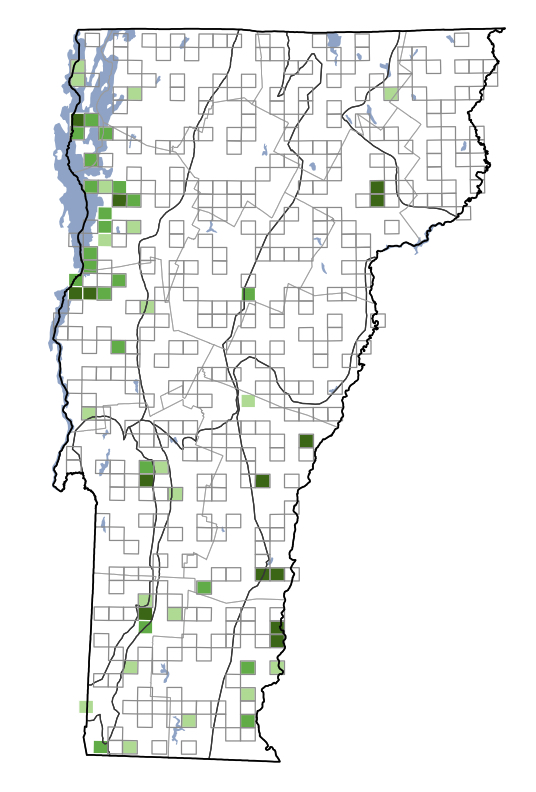
Second Vermont Breeding Bird Atlas (2003 – 2007)
Change in Distribution