Summary
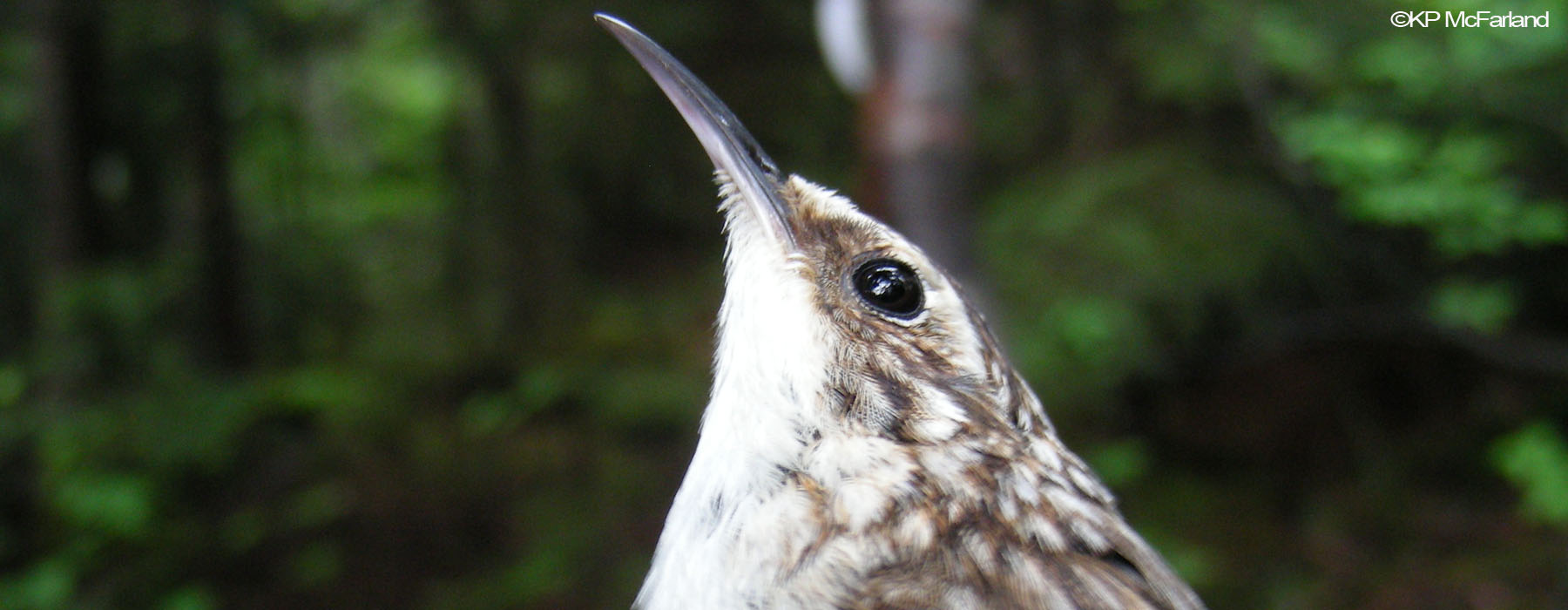
- Natural history: Brown Creepers blend so thoroughly into tree bark that their nests went undiscovered for generations, with nineteenth-century naturalists unable to find where the birds actually laid their eggs until someone finally spotted a nest tucked behind a curl of loose bark on a dead tree. As Vermont’s forests have matured since the First Atlas, dead and dying trees have grown more plentiful, and a species once considered rare in the state now thrives in this regrowing woodland, a contrast to the logging-related declines seen in some western populations that depend on old-growth stands.
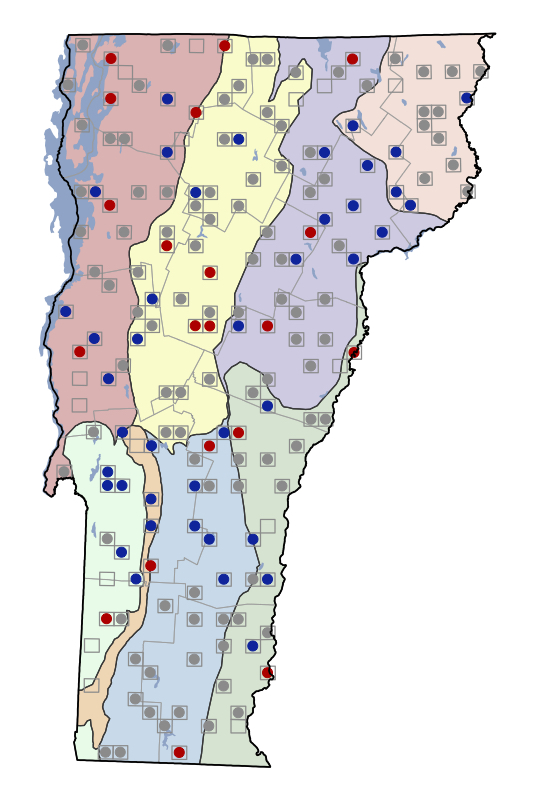
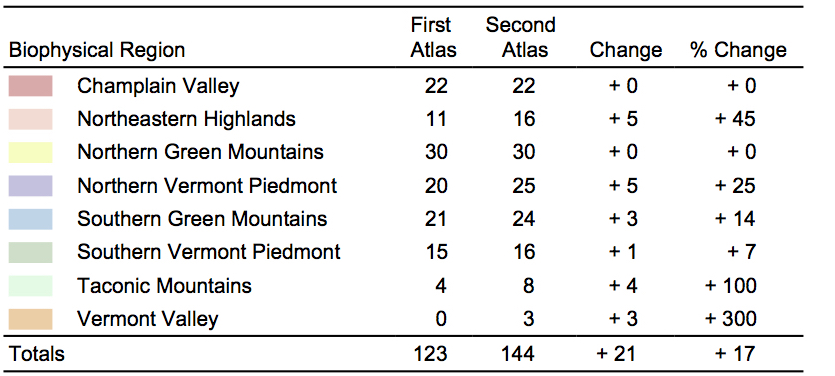
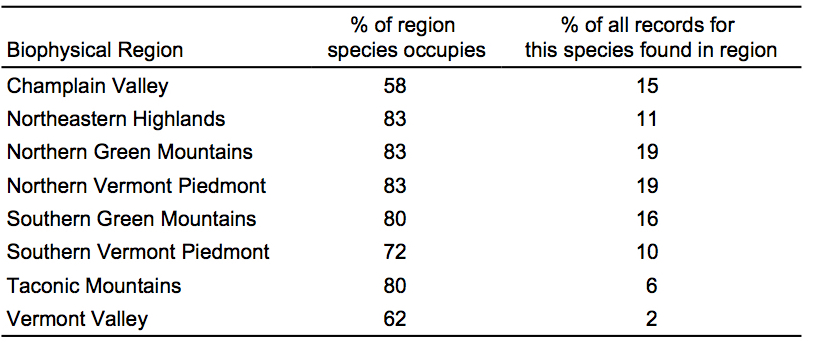
- Status in VT: Increased by 17% (123 to 144 blocks). Greatest increase in number of bocks in Northeastern Highlands.
- Data from other research: FBMP: no sig. trend.
- Conservation status: State rank S5B; S5N
- Other atlases: NY: 5%; PA: -4%; ON: Sig. increase in northern Ontario.
- VT’s role in North American range: VT is within the core of the range.
- Causes of change since first Atlas: Forest maturation (?).
- Management/Monitoring recommendations:Maintain old-growth and mature forestlands in large tracts.
Population Trends

First Vermont Breeding Bird Atlas (1976-1981)
Second Vermont Breeding Bird Atlas (2003 – 2007)
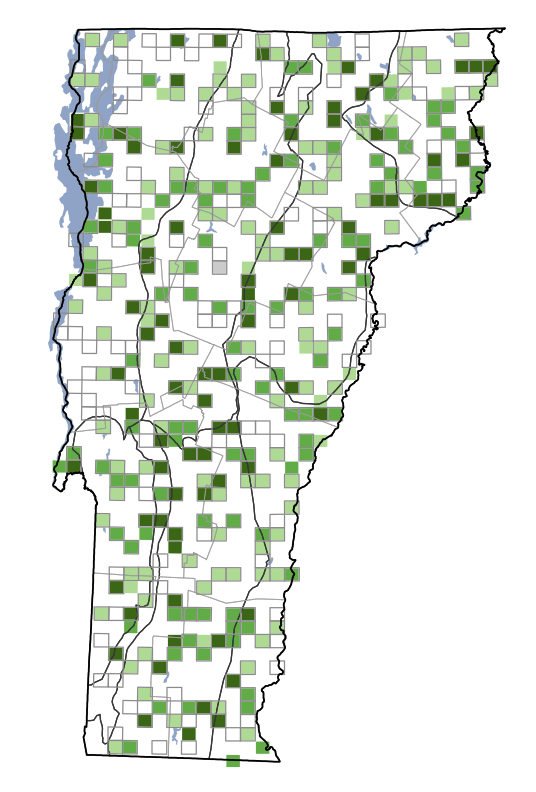

Change in Distribution