Summary
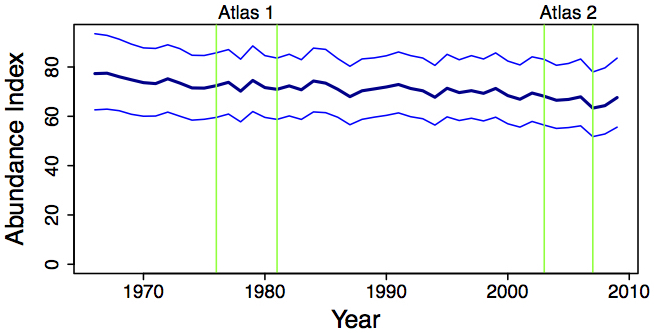
- Natural history: Rarely seen deep in unbroken forest, American Robins thrive instead along the edges people create, such as clearings, road cuts, lawns, and hedgerows, a habit that let them flourish once settlers began clearing Vermont’s original forest cover. Many robins now spend the winter at Vermont’s latitude when juniper berries, crab apples, and other fruit are plentiful, occasionally massing into communal roosts that can number in the hundreds of thousands of birds. Their once-booming population appears to have leveled off in recent decades, and some researchers suspect the robin’s unusual efficiency at spreading West Nile virus among birds and mosquitoes may be a contributing factor.
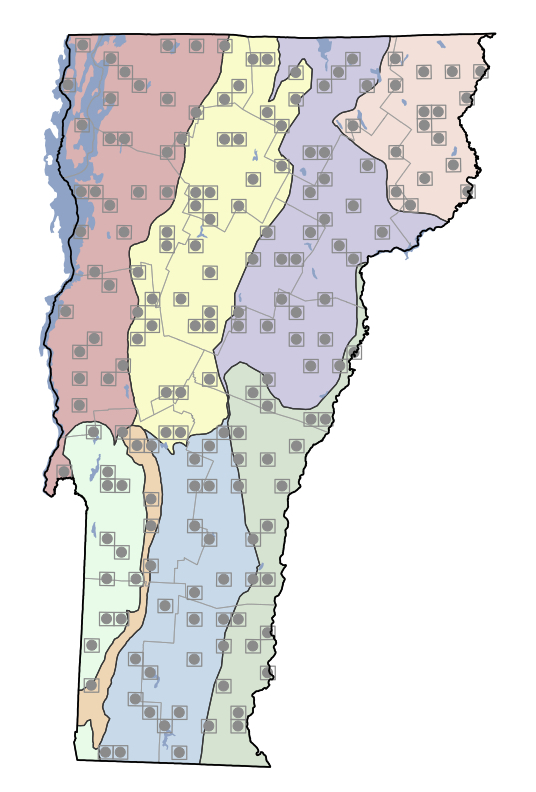
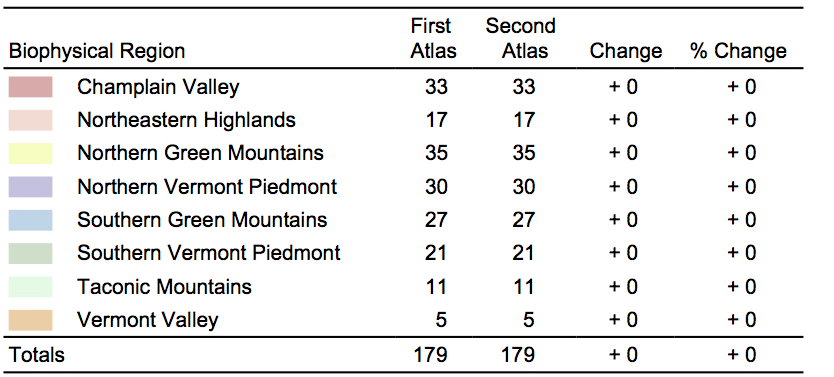
- Status in VT: No change in population status.
- Data from other research: No additional data for VT.
- Conservation status: State rank S5B, S3N
- Other atlases: NY, PA,MD: virtually no change; ON: increase in north
- VT’s role in North American range: VT is within the core of its range.
- Causes of change since first Atlas: No change.
- Management/Monitoring recommendations: No specific recommendations.
Population Trends
 First Vermont Breeding Bird Atlas (1976-1981)
Second Vermont Breeding Bird Atlas (2003 – 2007)
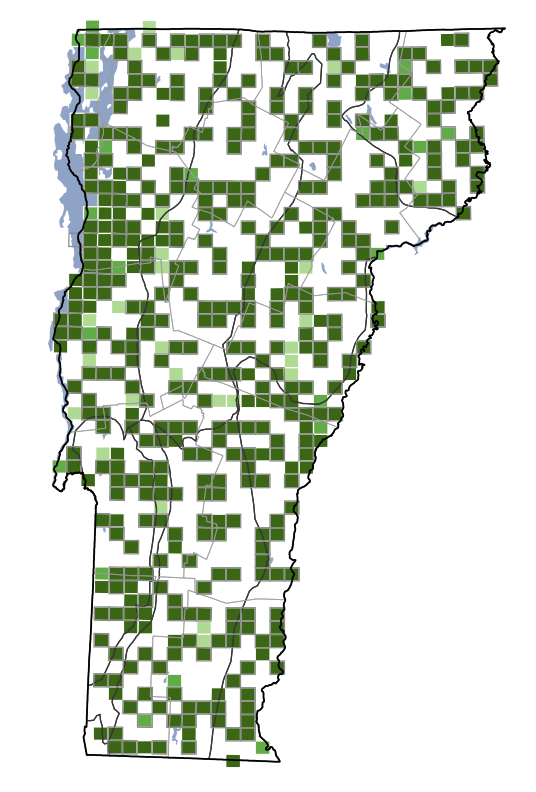
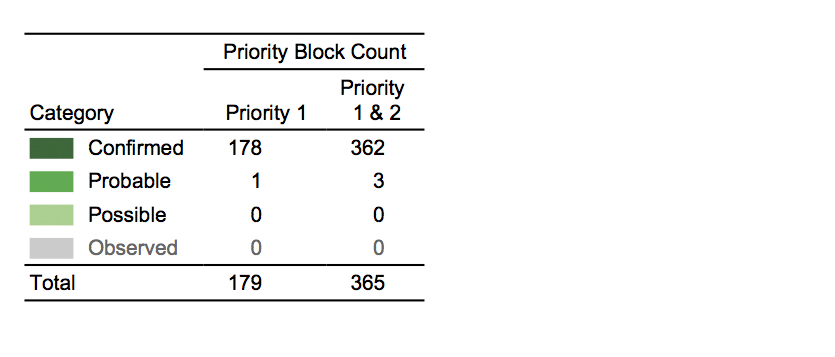
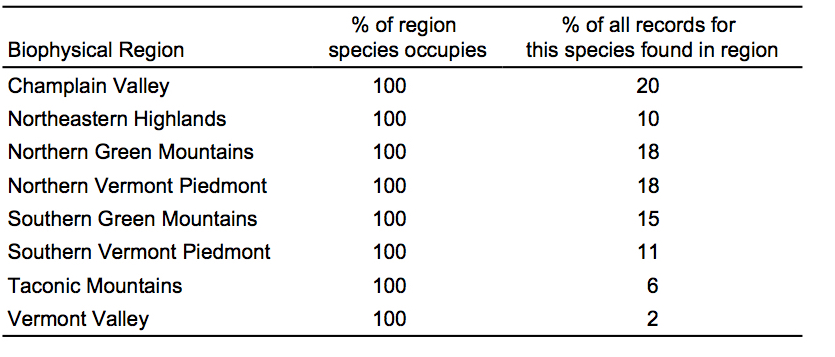
Change in Distribution