Skip to content
Wilson's Snipe (Gallinago delicata)
Summary
- Natural history: Wilson’s Snipe announces itself not with song but with winnowing, a whistling sound produced by air vibrating its outer tail feathers during steep display dives over grassy wetlands. It actually favors marshes grazed short by livestock over the tall, dense growth many other marsh birds, such as rails, prefer, meaning cattle pasturing of wetlands can help rather than harm its habitat. Its well-hidden ground nests make it one of Vermont’s toughest breeding birds to confirm, yet it remains legal game with an eight-bird daily bag limit even as the state’s population continues to grow.
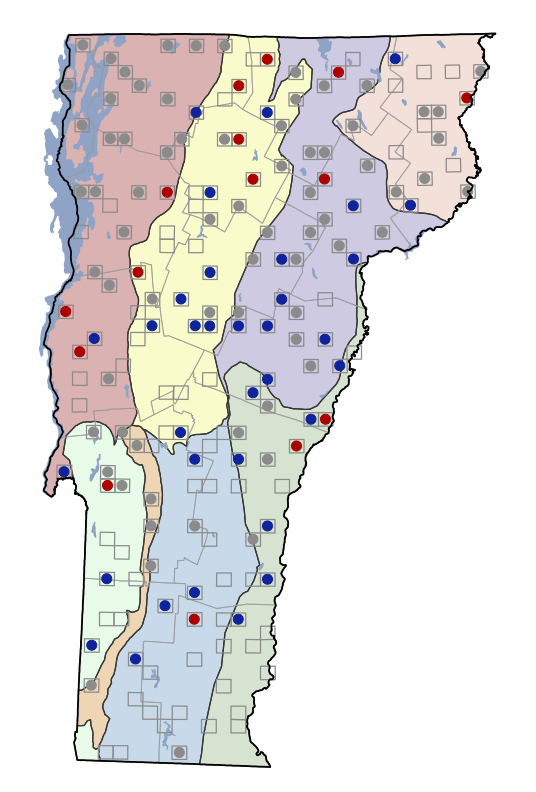
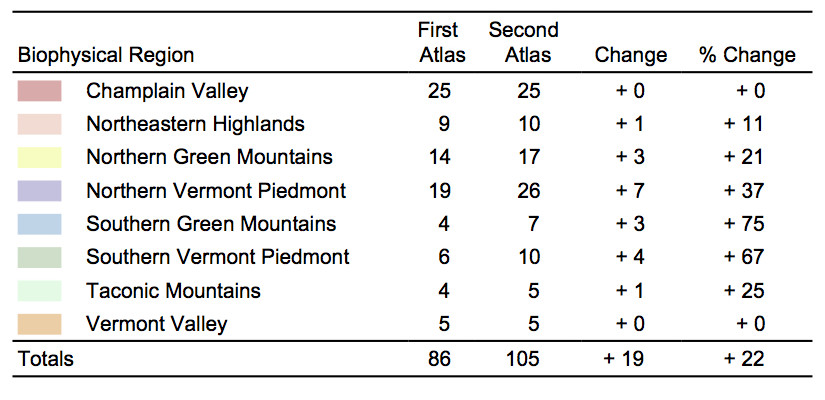
- Status in VT: Increased by 22% (86 to 105 blocks). Greatest increase in Southern Green Mountains.
- Data from other research: No additional data for VT.
- Conservation status: State rank S5B
- Other atlases: NY: 2%; PA: -8%
- VT’s role in North American range: VT is within the core of the range.
- Causes of change since first Atlas: Unknown.
- Management/Monitoring recommendations:No current recommendations. Potential to regulate populations through harvest limits on wintering grounds.
Population Trends
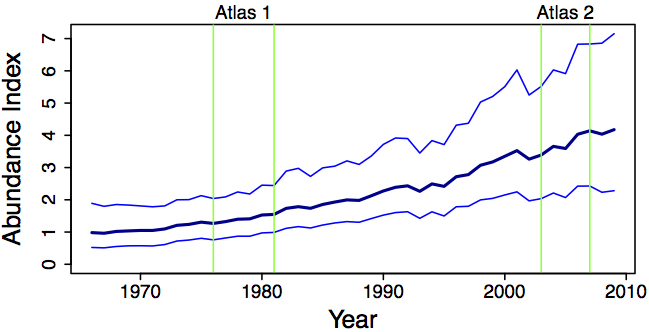
First Vermont Breeding Bird Atlas (1976-1981)
Species Account
Second Vermont Breeding Bird Atlas (2003 – 2007)
Species Account
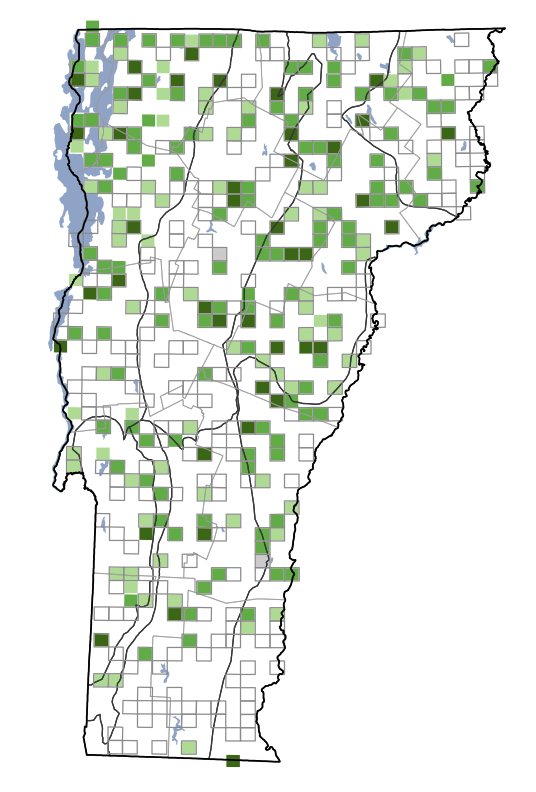
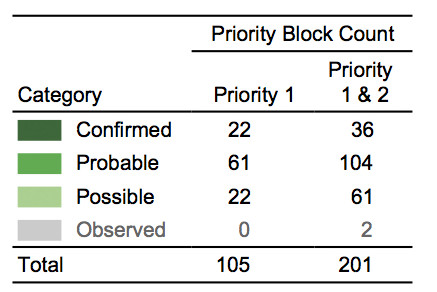
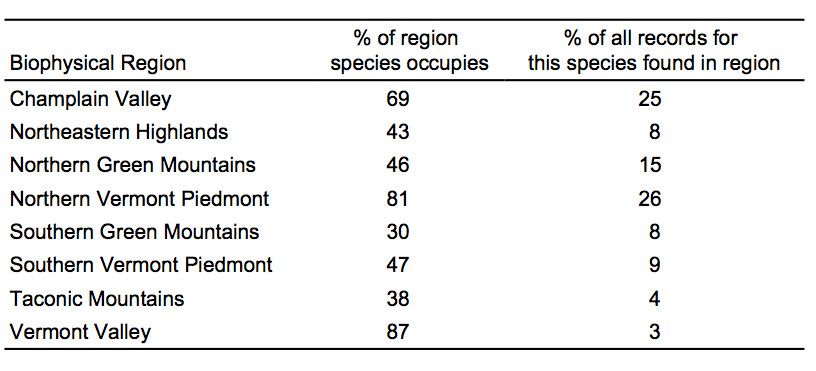
Change in Distribution
Links
Vermont eBird
Encyclopedia of Life
All About Birds