Posts About iNaturalist
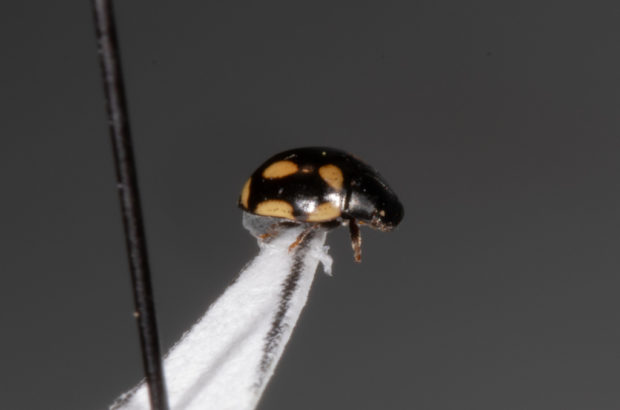
New Lady Beetle Discovered in Vermont
When he looked inside, he saw a small, black beetle with elongated spots. “I walked over to Kent and asked if he knew what species this was,” said Nathaniel. “Kent responded that he was not sure, so he took the beetle home to identify it.” “Yeah as soon as I saw the thing I just had this feeling that this lady beetle was something special and knew that I had to take it back with me,” said Kent.
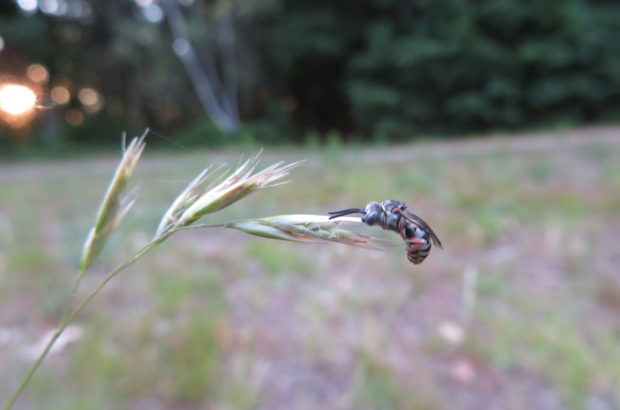
New Bees Discovered in Vermont with Worldwide Teamwork
The Vermont Wild Bee Survey has amassed over 50,000 bee records and discovered over 50 new bee species for the state in just two years. It takes an entire village to discover bees–volunteer naturalists, field biologists, and bee identification experts. Three new bee discoveries in June highlights the teamwork.
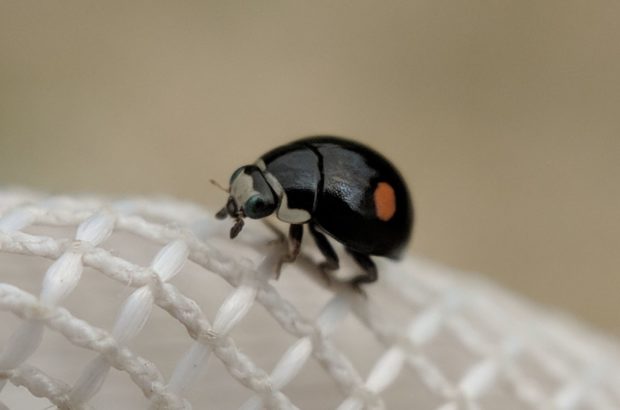
Vermont Lady Beetle BioBlitz (and more!)
Did you know there are over 400 native ladybug (aka lady beetle) species in North America or that there are 35 native species (at least) in the state of Vermont? Unfortunately, native lady beetles are in decline across North America and in Vermont. In fact, 12 of our native species have not been seen in Vermont in over 40 years! Join us in our search for lost ladybugs.
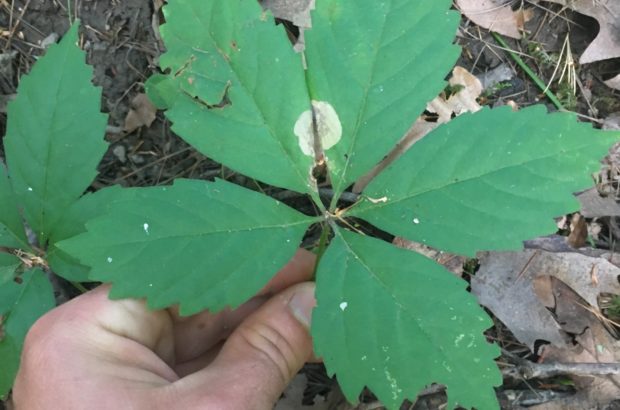
VAL Observation Helps Identify New Leaf Mining Moth Genus
While exploring the LaPlatte River Marsh Natural Area in the fall of 2019, VCE’s Bee Biologist Spencer Hardy noticed a Virginia Creeper with an interesting pair of leaf mines on it. A recent study found it to be part of a new moth Genus and new species for Vermont.
New Butterfly Species Found in Vermont
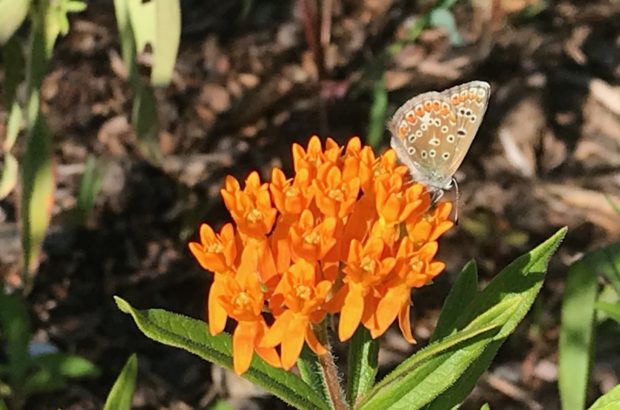
Fifteen years after it was first discover near Montreal, Canada, the European Common Blue (Polyommatus icarus) has been found in Vermont. On September 5, 2020 David Barrington captured an image of the species at Alburg Dunes State Park.
A Giant Leap Northward for a Butterfly
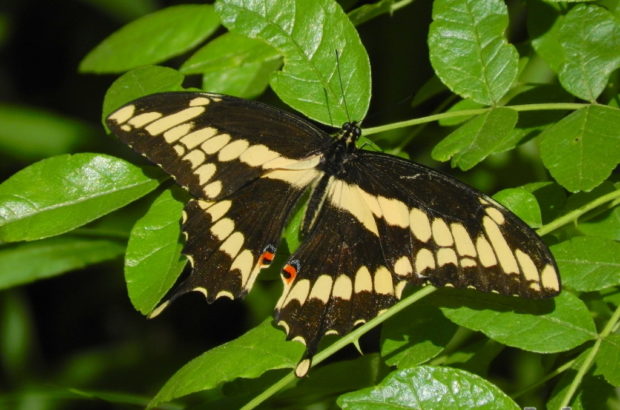
It’s hard to miss a giant. In 2010 when the largest butterfly in North America fluttered among Ardys Fisher’s flowers at the end of July, she knew it was something neat. Now, our study published in Frontiers in Ecology and Evolution this week shows an unusually rapid northward range shift by the Eastern Giant Swallowtail over the last two decades.
Naturalists Help the Vermont Atlas of Life on iNaturalist Build Biodiversity Big Data in 2020
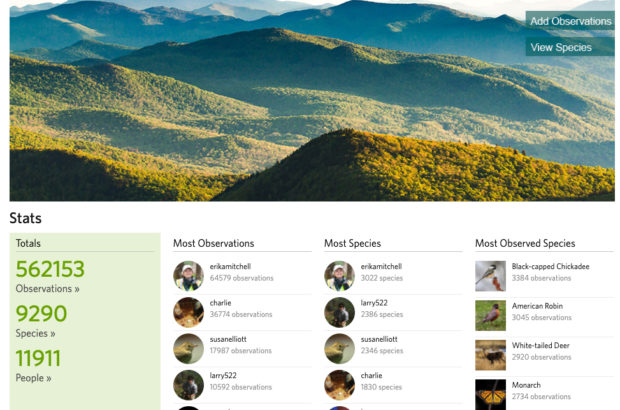
From the first observation of 2020, a Gray Fox still celebrating the New Year at 4:30 AM submitted by ckhunt, to Great Mullein leaves poking out of the snow shared by Pete Kerby-Miller at twilight on the last day of the year, naturalists added nearly 175,000 biodiversity records to our rapidly growing database of life in Vermont.
New Ant-Mimic Spider Sneaks Into Vermont
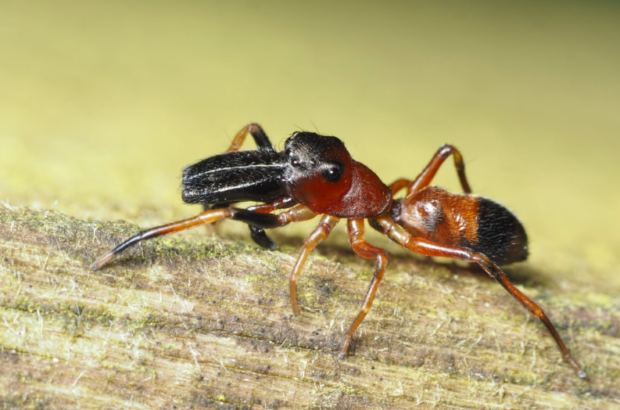
A small, metallic-black arthropod with a head, thorax, abdomen, and two waving antennae – your classic picnic-robbing ant right? Take a closer look at Michael Sundue’s photos at the Vermont Atlas of Life on iNaturalist and you’ll see that in fact this is the first record of the ant-mimicking spider Myrmarachne formicaria in Vermont.
Lunchtime Learning
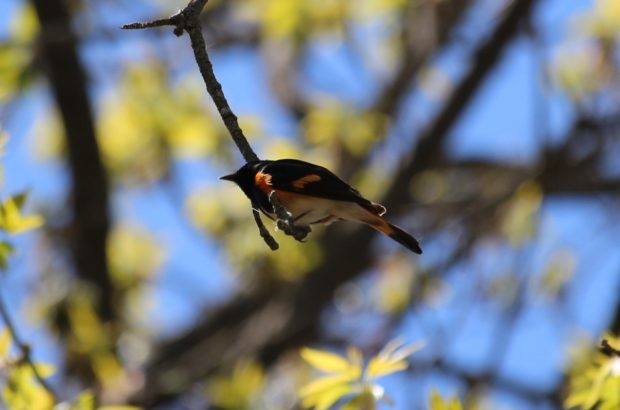
Join Community Science Outreach Naturalist Julia Pupko every Wednesday at noon for an hour of iNaturalist, Vermont eBird, and eButterfly help, with some Vermont natural history topics on the side!
Pruinose Squash Bee Mission Update
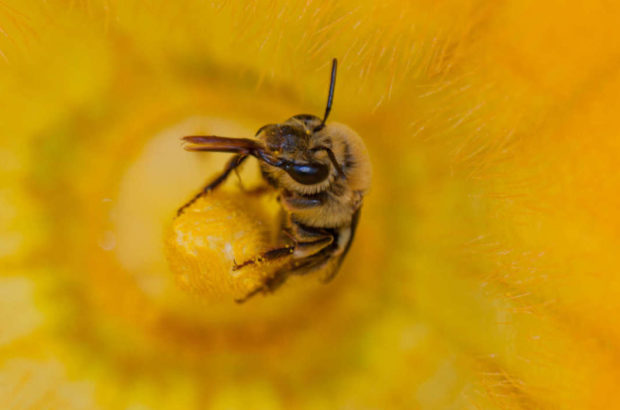
Earlier this year, we called on our Citizen Scientists to find as many Pruinose Squash Bees as possible. Find out the results of this mini-mission!