Skip to content
Tree Swallow (Tachycineta bicolor)
Summary
- Natural history: Tree Swallows push their luck each spring, returning to Vermont as early as mid-March, well before the last snow and hard frosts are done, and in recent decades they have begun nesting even earlier, a shift attributed to climate change. They compete fiercely for tree cavities and gather by the thousands in Vermont marshes each August before heading south. Genetic studies also show that more than half of all broods actually contain young fathered by a male other than the female’s mate, a surprising twist given how fiercely the resident male guards the nest.
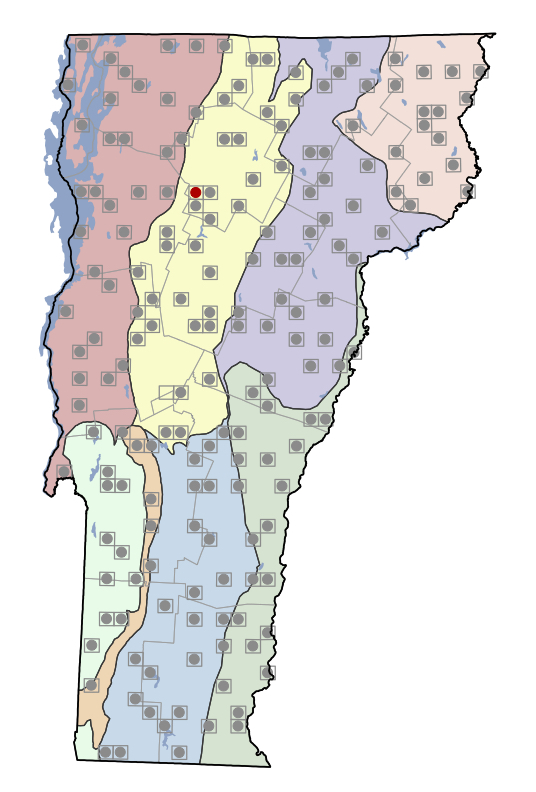
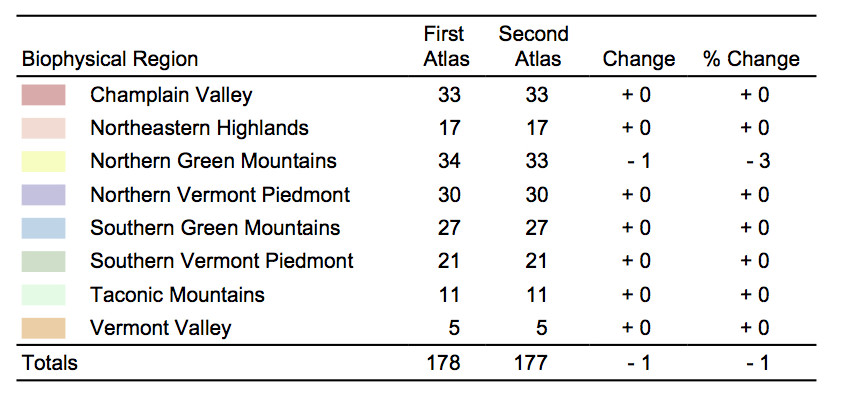
- Status in VT: Decreased by 1% (178 to 177 blocks). Decrease in Northern Green Mountains.
- Data from other research: No additional data for VT.
- Conservation status: State rank S5B
- Other atlases: NY: 4%; PA: 26%; MD: 142%; ON: -17%
- VT’s role in North American range: VT is within the core of the range.
- Causes of change since first Atlas: Minimal change. Possible threats: competition with starlings for nest sites; toxic burdens of chemicals; loss of foraging habitat as mature forest replaces early successional stages.
- Management/Monitoring recommendations:No current recommendations.
Population Trends
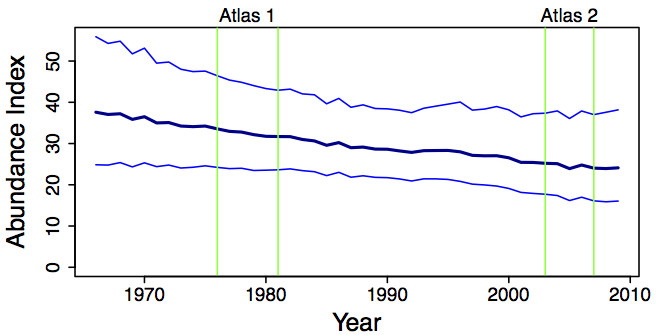
First Vermont Breeding Bird Atlas (1976-1981)
Species Account
Second Vermont Breeding Bird Atlas (2003 – 2007)
Species Account
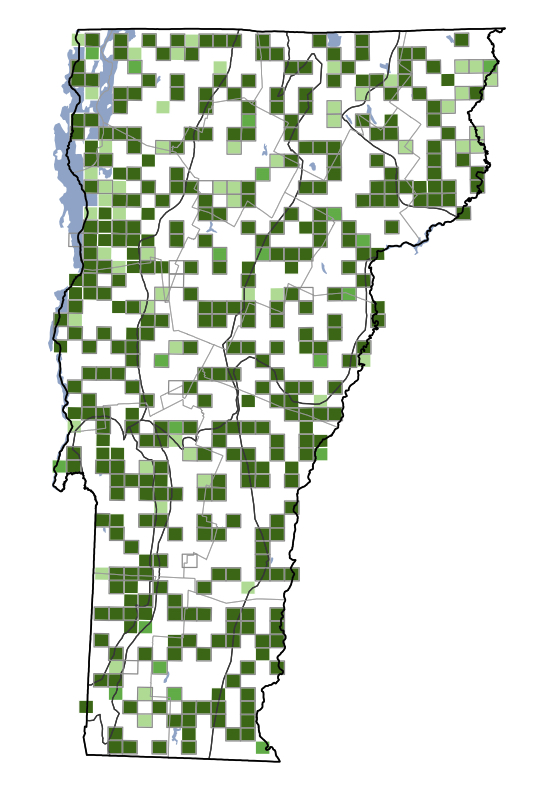
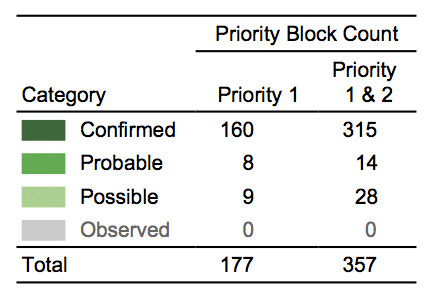
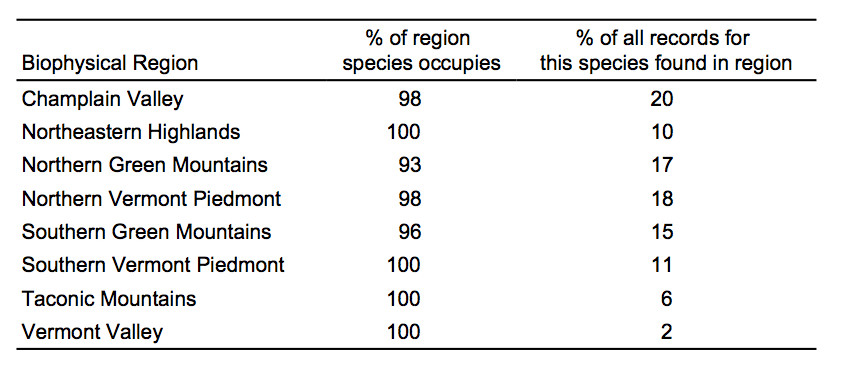
Change in Distribution

Links
Vermont eBird
Encyclopedia of Life
All About Birds