Skip to content
Northern Pintail (Anas acuta)
Summary
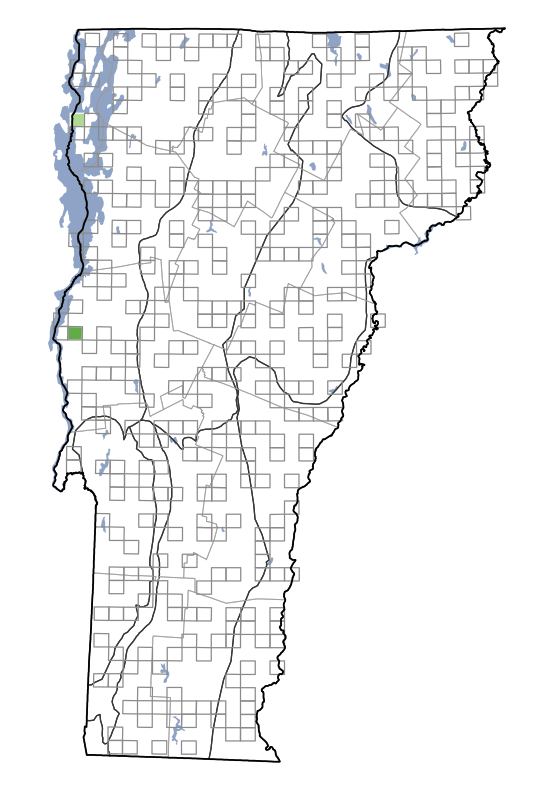
- Natural history: Northern Pintails often nest right out in open, freshly tilled farm fields on the prairies, a habit that leaves many nests destroyed by spring planting before they can hatch. Vermont’s small breeding foothold, first documented in the Champlain Valley during the First Atlas, may have been helped along by pintails released in New York in 1959 to start a hunting population, and it had essentially disappeared by the Second Atlas, mirroring a continental population that still hasn’t recovered from severe droughts in the 1980s.
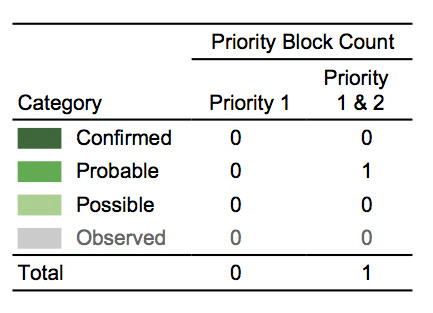
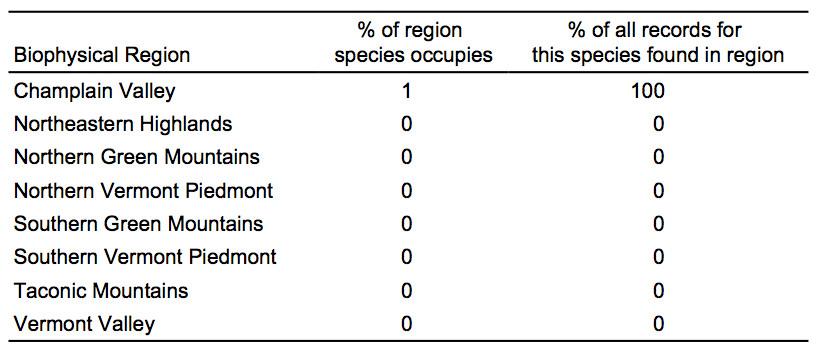
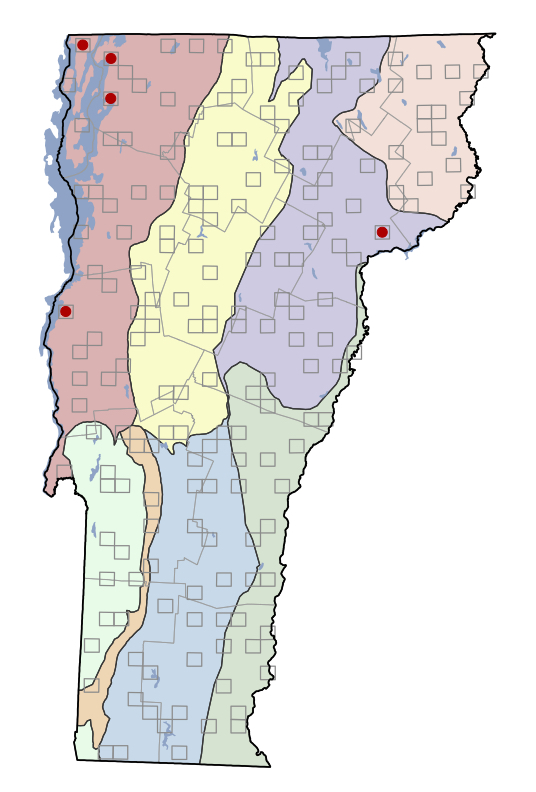
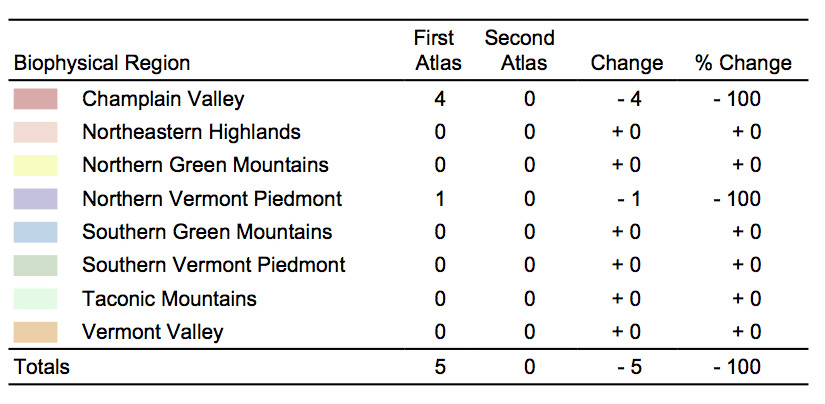
- Status in VT: Decreased by 100% (5 to 0 blocks). Previously occurred in Champlain Valley and Northern Vermont Piedmont.
- Data from other research: No additional data for VT.
- Conservation status: State rank S1B
- Other atlases: NY: -71%; ON: -23%
- VT’s role in North American range: VT is at the southeastern edge of the range.
- Causes of change since first Atlas: Sparse breeder with population core in Prairie Pothole Region; change in agricultural practices including early mowing regimes.
- Management/Monitoring recommendations: No specific recommendations.
First Vermont Breeding Bird Atlas (1976-1981)
Species Account
Second Vermont Breeding Bird Atlas (2003 – 2007)
Species Account
Change in Distribution
Links
Vermont eBird
Encyclopedia of Life
All About Birds