Skip to content
Wild Turkey (Meleagris gallopavo)
Summary
- Natural history: Every Wild Turkey breeding in Vermont today traces back to a single release of 31 birds in the southern part of the state in 1969 and 1970, after the species had disappeared entirely from New England by the mid-1800s. Turkeys were originally confined to Vermont’s four southernmost counties, but repeated releases and the birds’ own spread let them reclaim most of the state, including boreal and mountainous terrain far from the farmland once considered essential turkey habitat. The statewide population has since grown from about 15,000 birds to an estimated 45,000 to 50,000, one of the more dramatic wildlife recoveries in Vermont’s history.
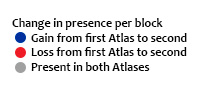
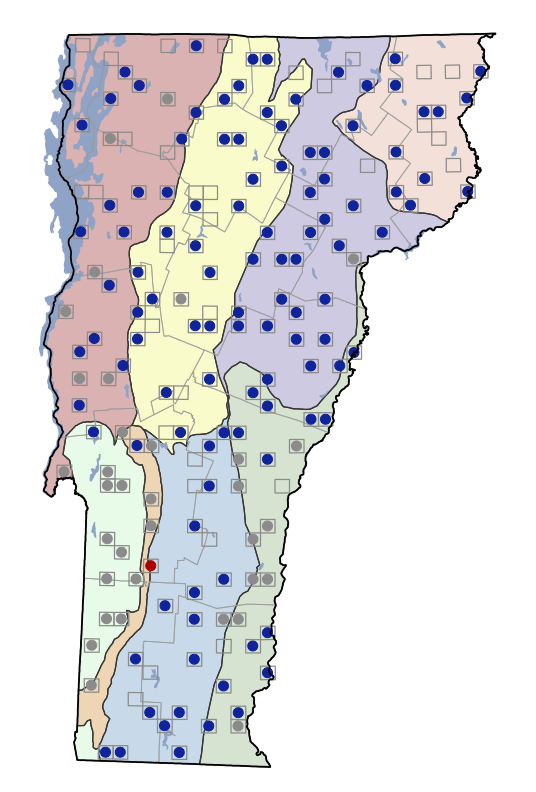
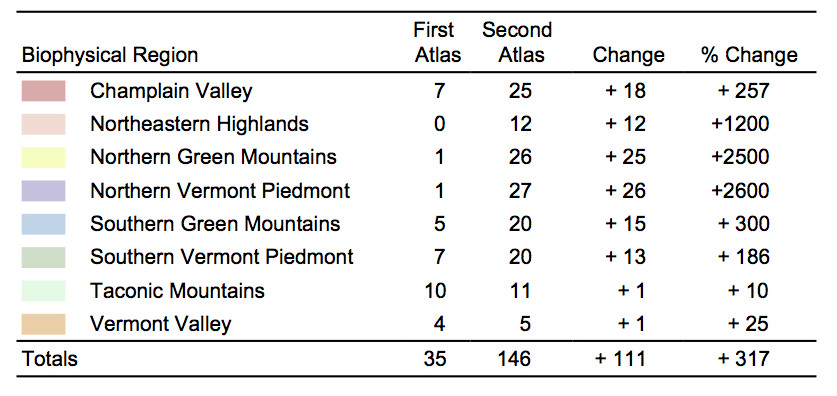
- Status in VT: Increased by 314% (35 to 145 blocks). Greatest increases in Northern Green Mountains and Northern Vermont Piedmont.
- Data from other research: No additional data for VT.
- Conservation status: State rank S4
- Other atlases: NY: 133%; PA: 48%; MD: 211%
- VT’s role in North American range: VT is in the northeastern corner of the range.
- Causes of change since first Atlas: Continued expansion of population following earlier reintroduction program.
- Management/Monitoring recommendations:Continue current management and harvesting practices (limited spring harvesting, Wild Turkey brood survey).
First Vermont Breeding Bird Atlas (1976-1981)
Species Account
Second Vermont Breeding Bird Atlas (2003 – 2007)
Species Account
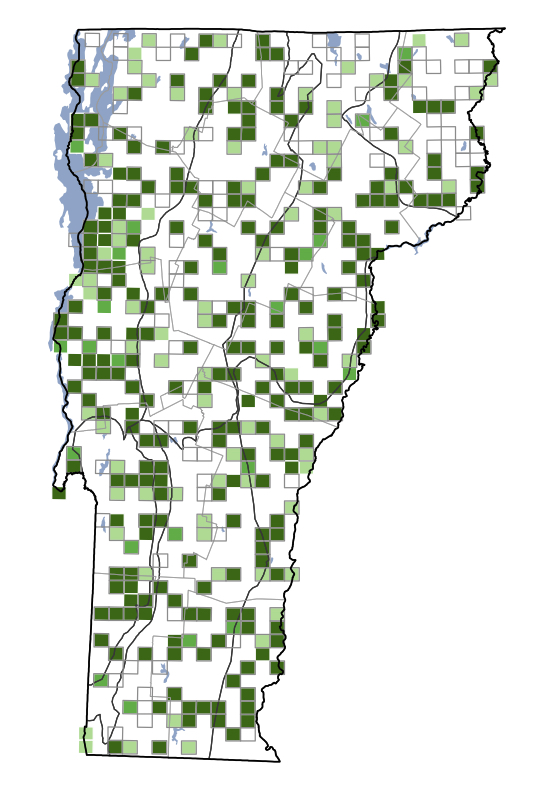
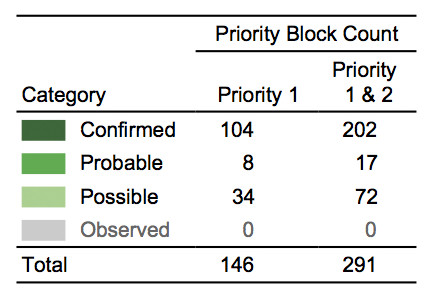
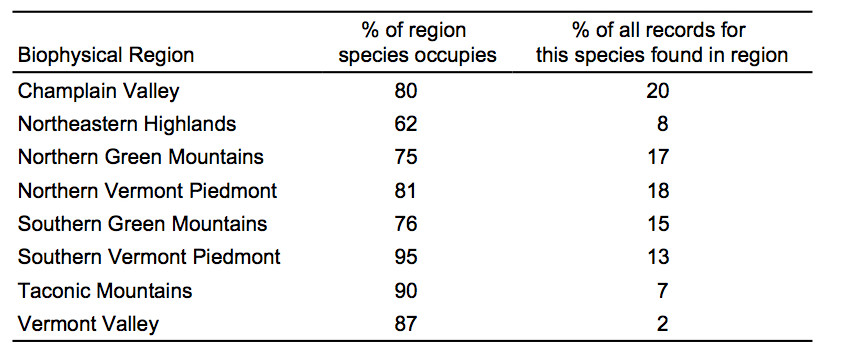
Change in Distribution
Links
Vermont eBird
Encyclopedia of Life
All About Birds