Skip to content
Sharp-shinned Hawk (Accipiter striatus)
Summary
- Natural history: The Sharp-shinned Hawk is the smallest of Vermont’s three breeding accipiters but shows the most extreme size difference between males and females of any raptor in North America, and it is also the last of the three to return and begin nesting each spring. Decades of shooting and DDT contamination once made it rare enough to land on Vermont’s endangered species list, and its recovery since then has been helped along by legal protection and by well-stocked backyard feeders that concentrate the songbirds it hunts. That same habit of ambushing birds at feeders now exposes the hawks to a different hazard: fatal collisions with windows.
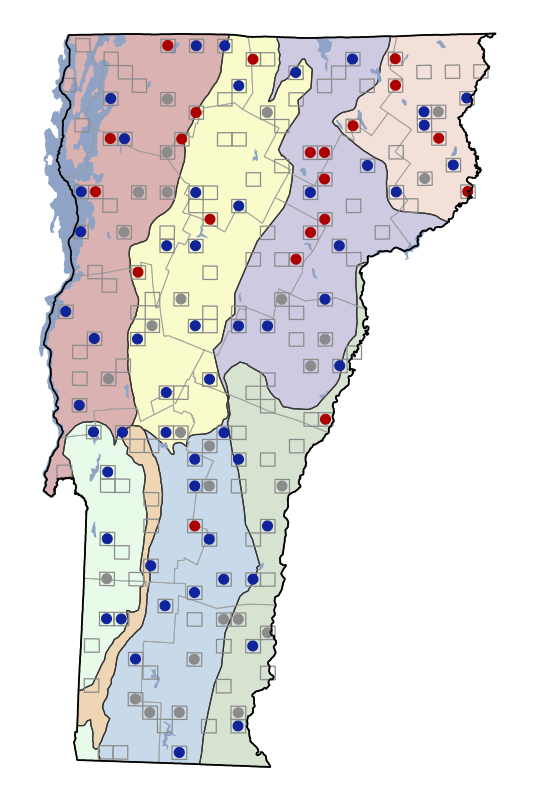
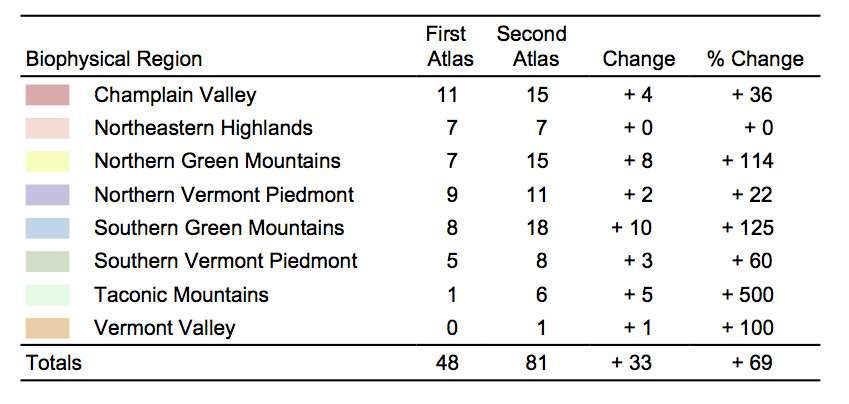
- Status in VT: Increased by 69% (28 to 81 blocks). Greatest increase in Taconic Mountains.
- Data from other research: No additional data for VT.
- Conservation status: State rank S3B, S3N
- Other atlases: NY: 68%; MD: 50%; ON: 68%; PA:-18%
- VT’s role in North American range: VT is within the core of the range.
- Causes of change since first Atlas: Population continues to rebound due to: protection from shooting, banning of some pesticides, well-stocked feeders.
- Management/Monitoring recommendations:No current recommendations.
First Vermont Breeding Bird Atlas (1976-1981)
Species Account
Second Vermont Breeding Bird Atlas (2003 – 2007)
Species Account
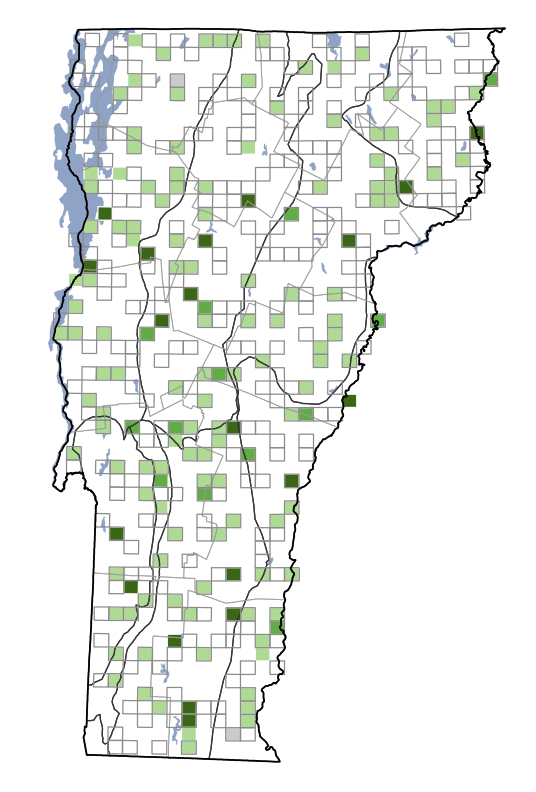
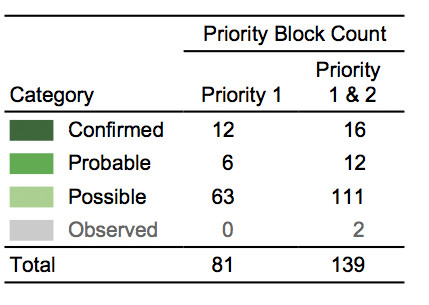
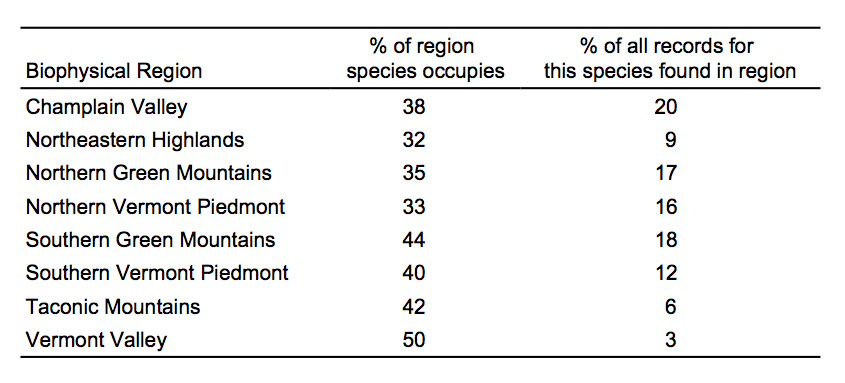
Change in Distribution

Links
Vermont eBird
Encyclopedia of Life
All About Birds