| Common Name | Blue Grosbeak |
|---|---|
| Scientific Name | Passerina caerulea |
| Type of Report | Rare Species |
| Date of Observation | 10/12/2018 |
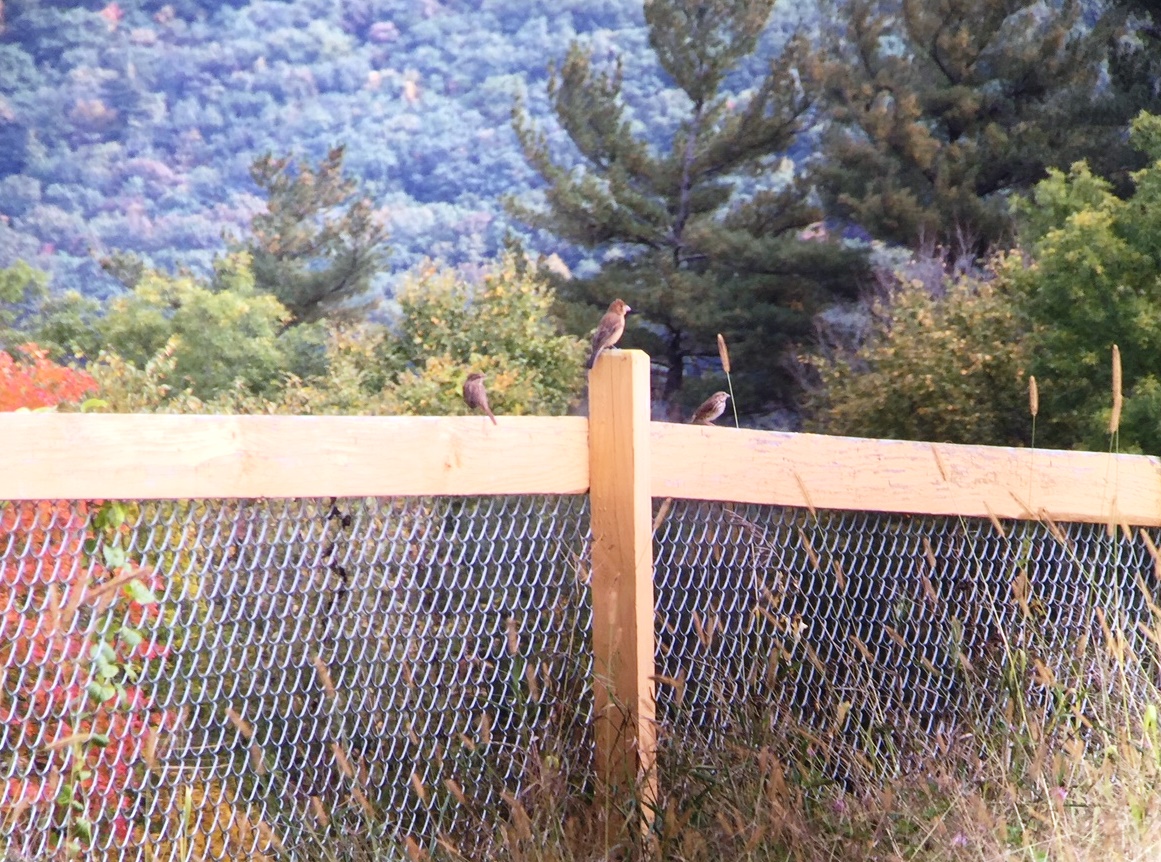
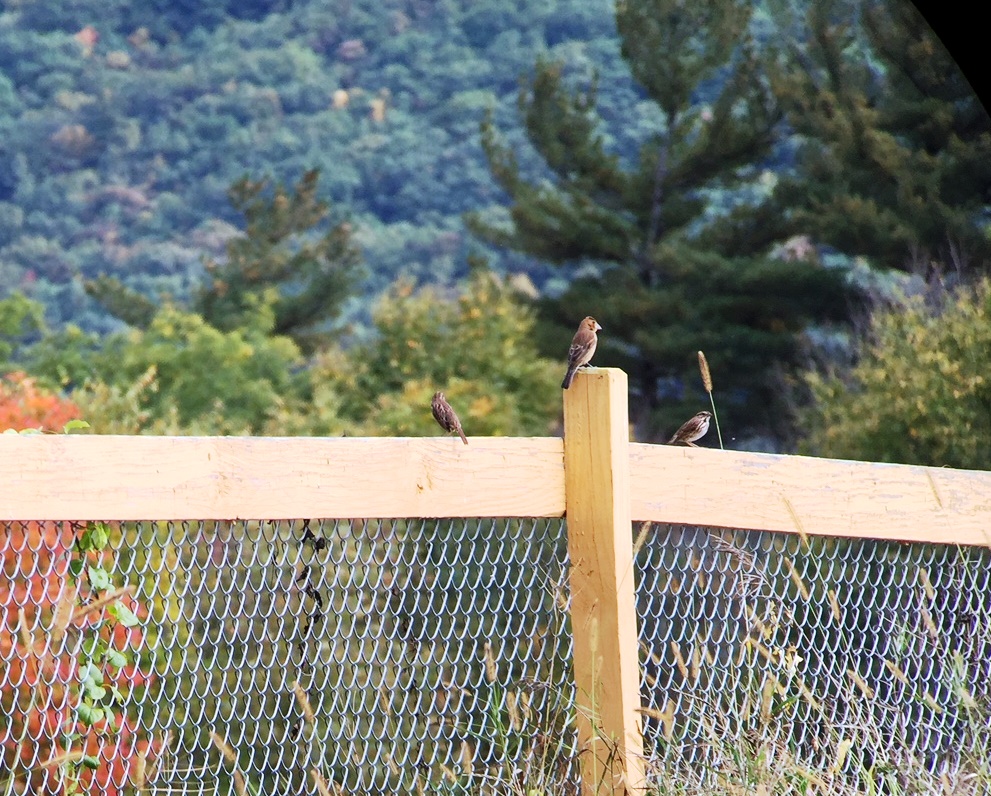
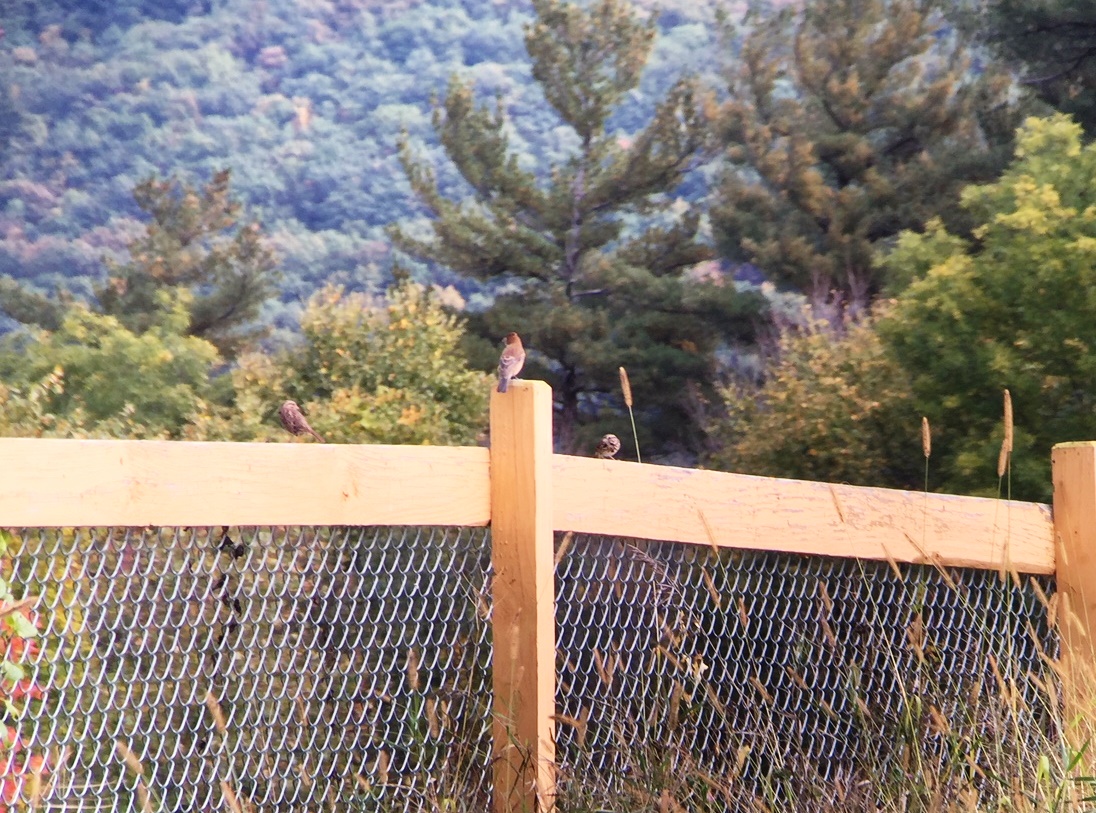
| Media | |
| Number Observed | 1 |
| Reporting Observer's Name | Michael Resch |
| Mailing Address | 12 Lakin Street Pepperell, MA 01463 United States Map It |
| Email hidden; Javascript is required. | |
| Date Completed | 12/27/2018 |
| Names & Emails of Other Contributing Observers | Dave Johnston - ten.t1545915106sacmo1545915106c@12k1545915106kad1545915106 |
| Latitude of Observation (enter 0 if unable to provide) | 42.8595416 |
| Longitude of Observation (enter 0 if unable to provide) | -72.5691068 |
| Place Name | Harris Hill Ski Jump |
| Township | Brattleboro |
| County | Windham |
| Vermont eBird Checklist URL | ebird.org |
| Time of Day | 11:30 AM |
| Length of Time Observed | Off and on for 45 minutes |
| Maximum Estimated Distance from Bird (in feet) | 150 ft |
| Minimum Estimated Distance from Bird (in feet) | 25 ft |
| Noteworthy Weather Conditions | Clear, light breezes, seasonal temps |
| Optical Equipment Used for Observation | 10 x 32 Swarovski binoculars |
| Observer’s Previous Acquaintance With This or Similar Species | I have extensive experience with Blue Grosbeak throughout its typical range across much of the US. Likewise, I'm very familiar with similar species such as Indigo Bunting |
| I certify that any attachments included with this report were captured during this observation event. | |
| Description of Habitat | Foraging in multiple locations around the edges and middle of clearing around the ski jump. Seen perched in tall deciduous trees and in brushy scrub, feeding on ground in grassy field, and perched on a low fence. Sometimes loosely associating with migrant sparrows, especially Songs |
| Behaviors Observed | Most notable reaction was its response to recorded call notes - the bird popped up to perch in the open and responded giving similar call notes. |
| Description of Vocalizations | Giving loud/sharp "chink" calls, first on its own, then in response to recorded calls |
| Verbal Narrative & Description of Observation | Following copied from e-Bird description - Female plumaged bird seen at several locations around this spot by both observers. 3 record-shot photos taken holding my iPhone up against my binoculars are attached. First seen flying overhead - as I watched it in flight I initially thought it was a very large sparrow. I then watched it land in a tree some 50 yards away, facing me. I could see that it was a large chunky finch, uniformly chestnut-brown below, with a large gray bill. I quickly thought it was a Blue Grosbeak. I could also hear it giving it's loud/sharp "chink" call. It then flew to the other end of the clearing. A minute later I arrived where it landed and played some tape of Blue Grosbeak call notes. Within a few seconds it popped out into the open giving much better views just 25 ft away and calling. Now I saw all the field marks over the next couple minutes - chunky body, uniformly chestnut brown above and below and head, very large gray beak, and bright reddish wing-bar. It then flew over to the fencing near the base of the ski jump. Later I re-found it perched on the fence, taking these record shots. Notice how much bigger it is compared to the nearby Song Sparrows. Then Dave Johnston arrived and saw the bird as well. We saw it a couple times afterwards as well. |
| Relative Size & Shape | Chunky finch, larger than Indigo Bunting, much bigger than the Song Sparrows perched nearby (see photos) |
| Head | Uniformly chestnut brown virtually throughout |
| Feet & Bill | Very large gray beak |
| Upper Back | Uniformly chestnut brown virtually throughout |
| Lower Back & Rump | Uniformly chestnut brown virtually throughout |
| Wings | Bright reddish wingbar |
| Breast, Belly, Flanks, Under Tail Coverts | Uniformly chestnut brown virtually throughout |
| Tail | Uniformly chestnut brown virtually throughout |
| IMPORTANT: What similar species were eliminated when making the identification and how was this bird different? | Most similar species could be Indigo Bunting - this bird was larger, chunkier, heavier-billed, and more chestnut brown in coloration |
| Other Notes & Comments | I call it "female-plumaged". At this time of year I don't think you could be 100% certain whether it is an adult female, or an immature bird (of either sex) |
| This report was written from notes taken: | Immediately After |
Vermont Atlas of Life Partners