| Common Name | Blue-gray Gnatcatcher |
|---|---|
| Scientific Name | Polioptila caerulea |
| Type of Report | Out-of-Season |
| Date of Observation | 12/24/2023 |
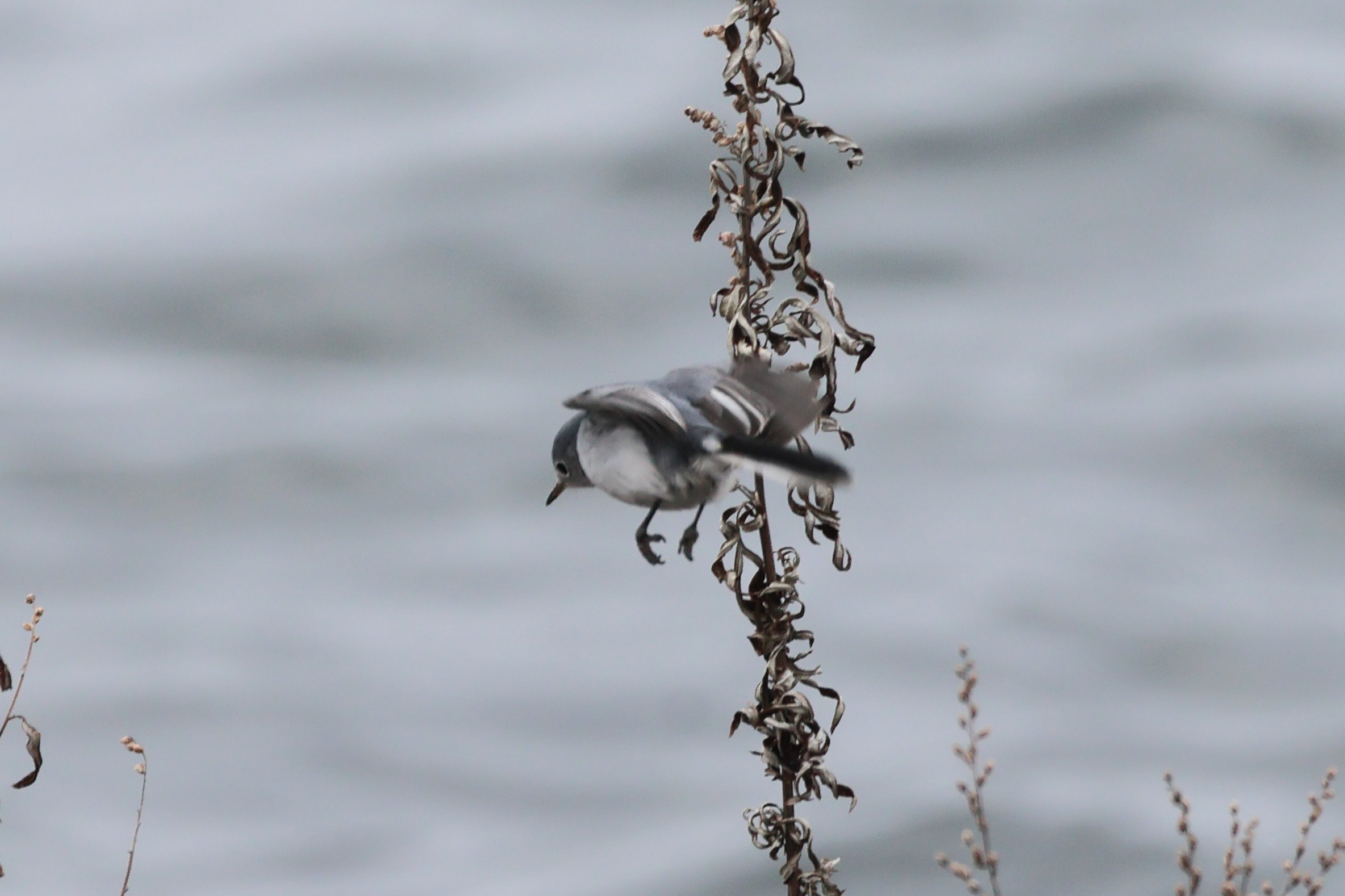
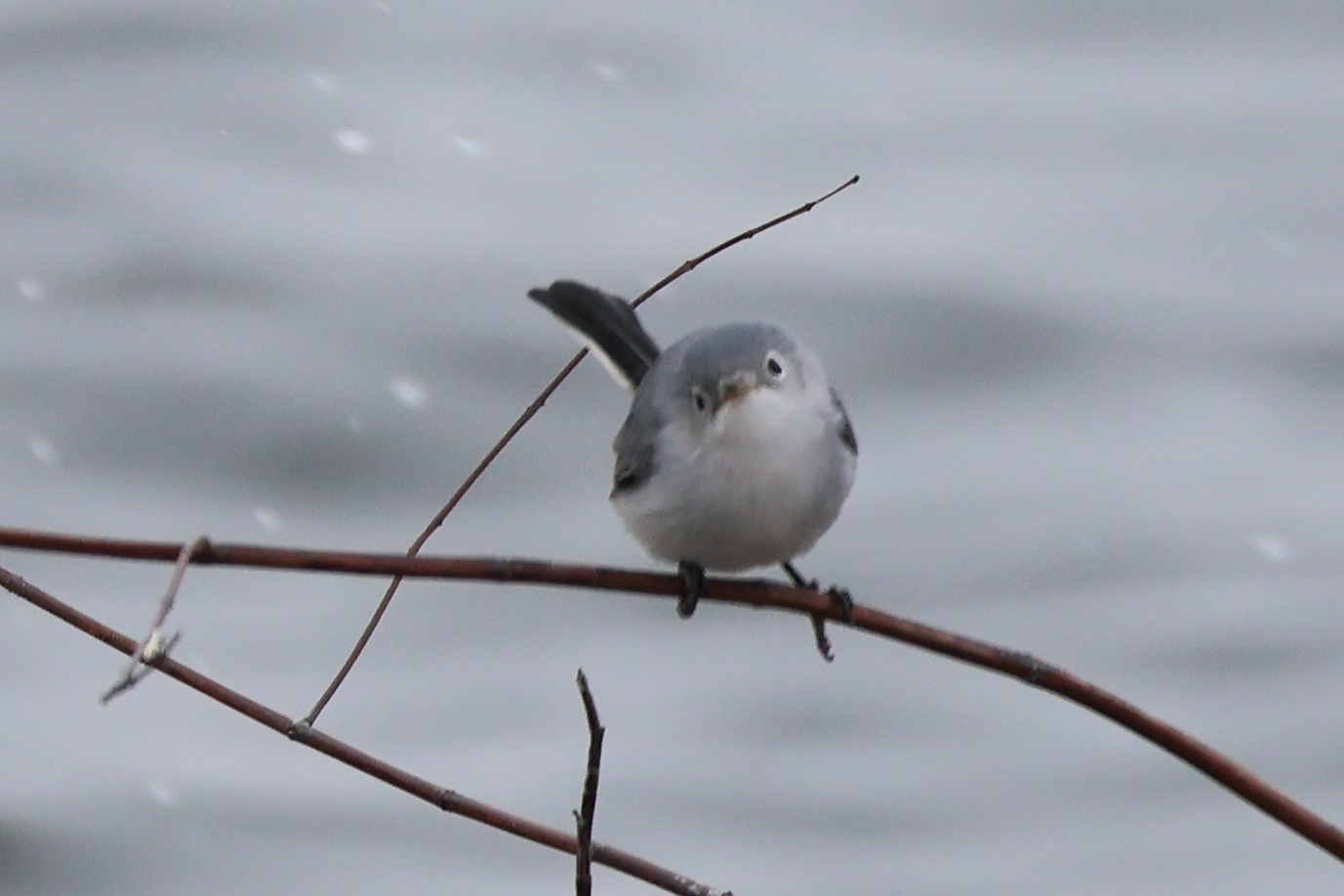
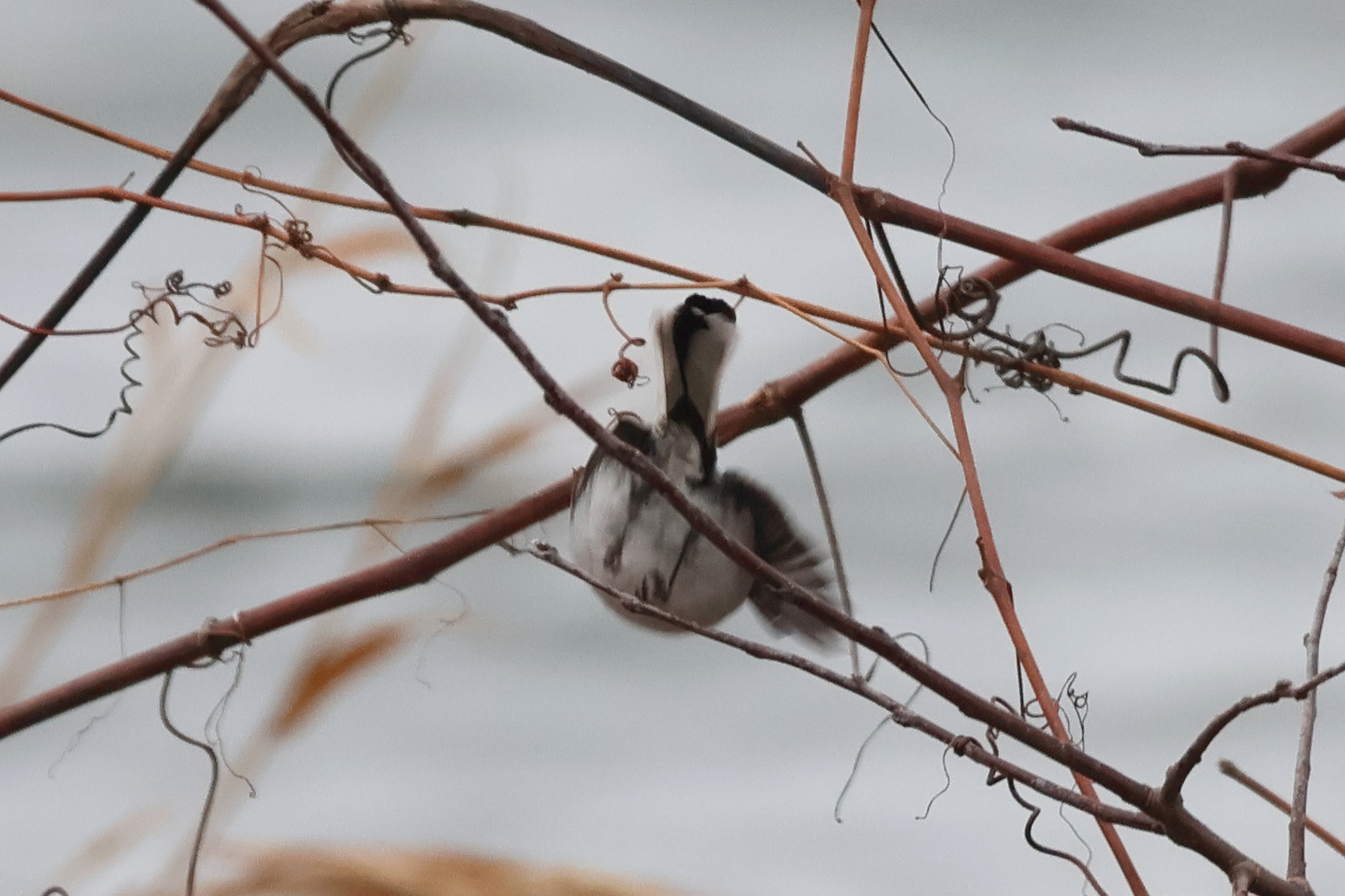
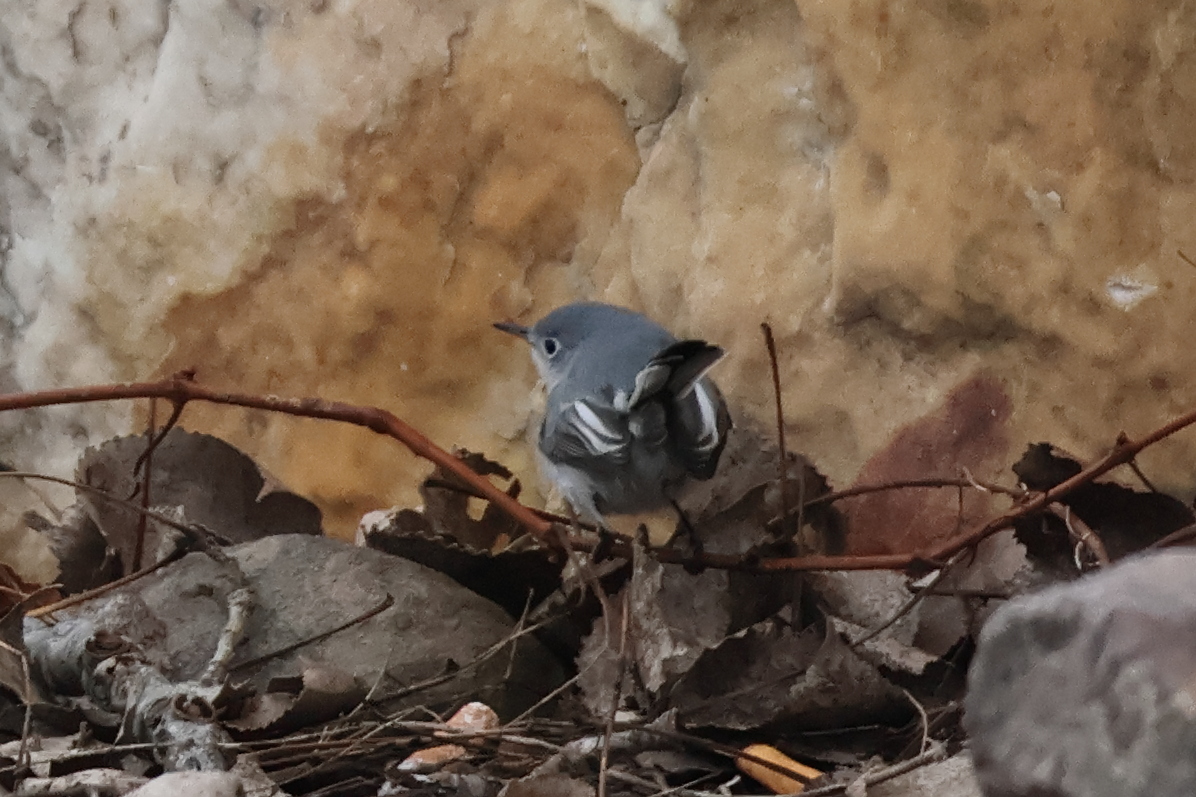
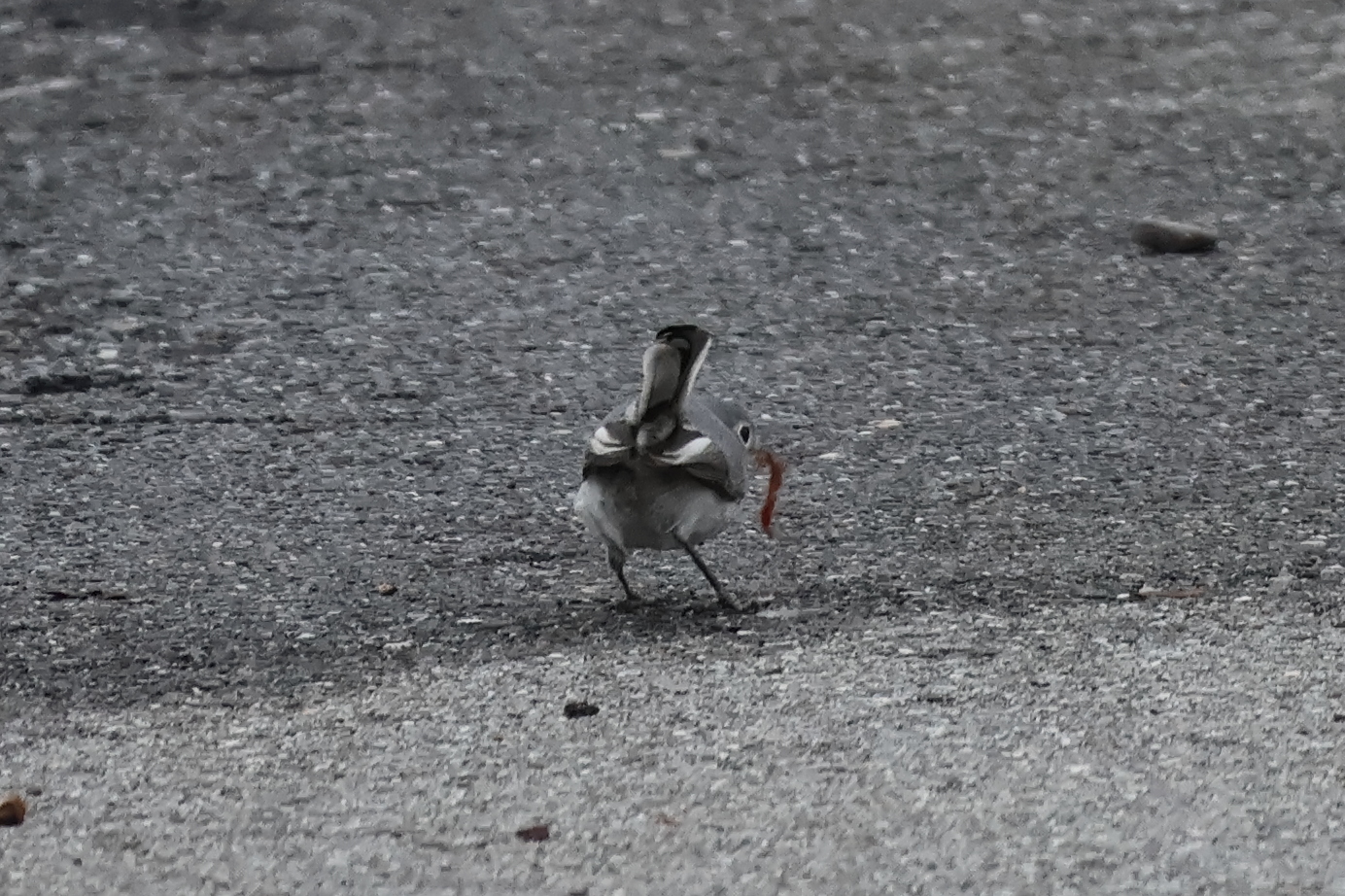
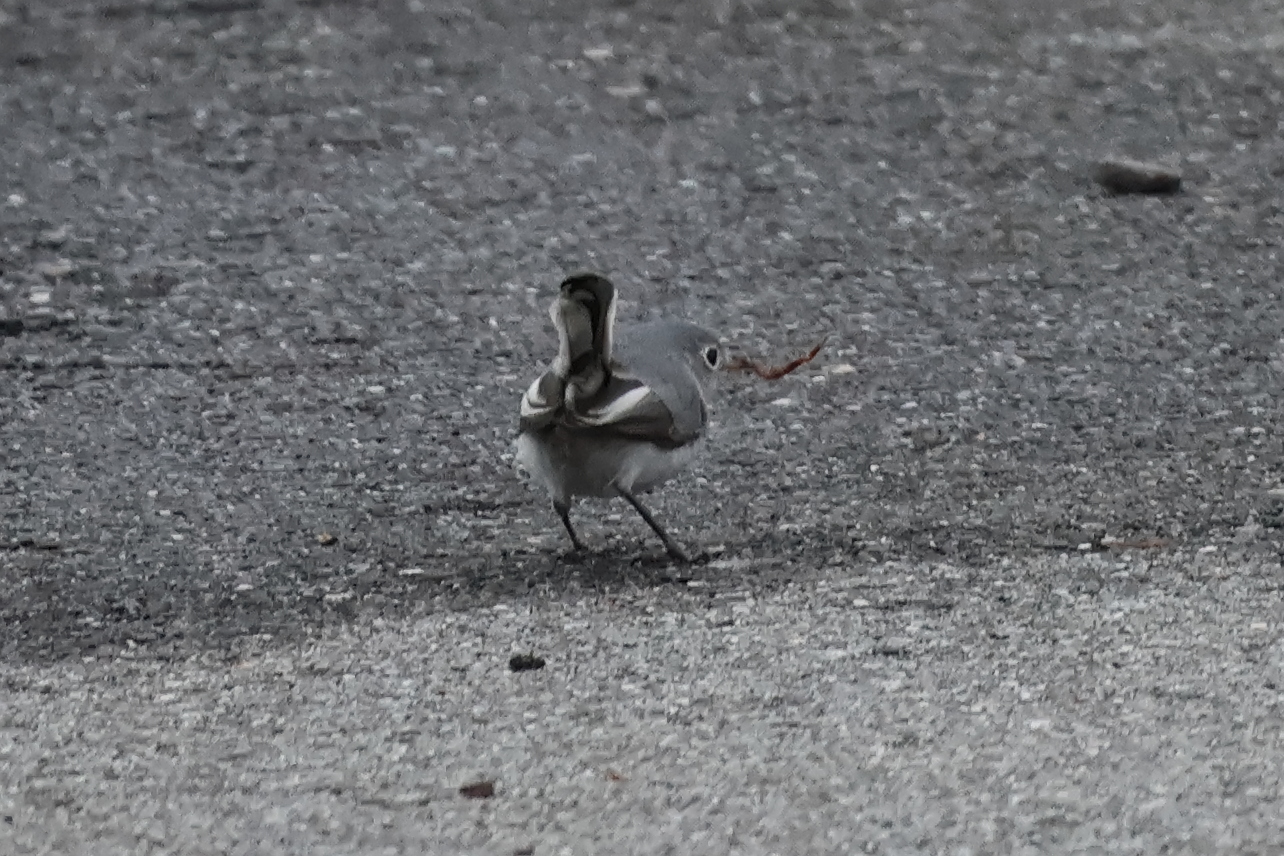
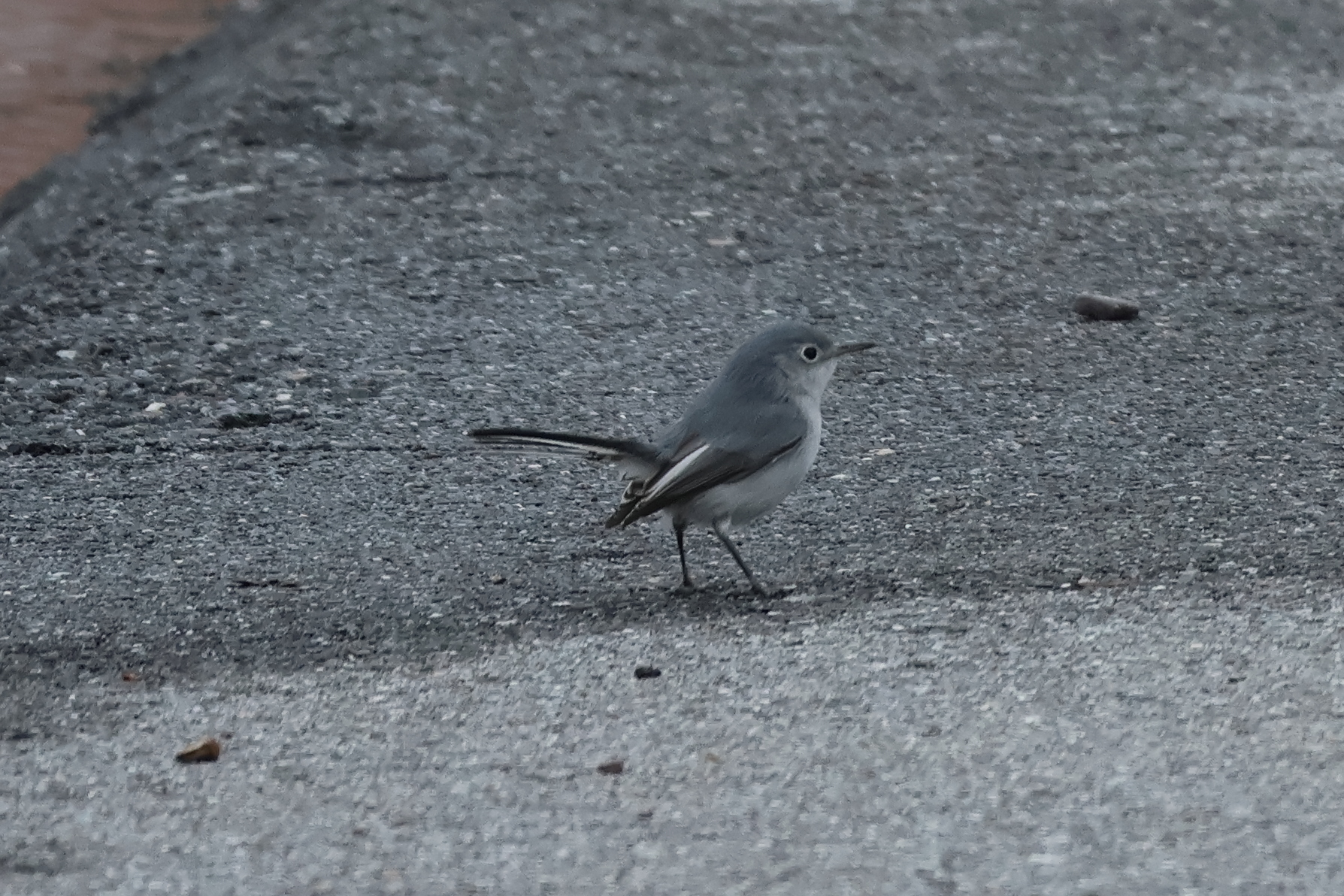
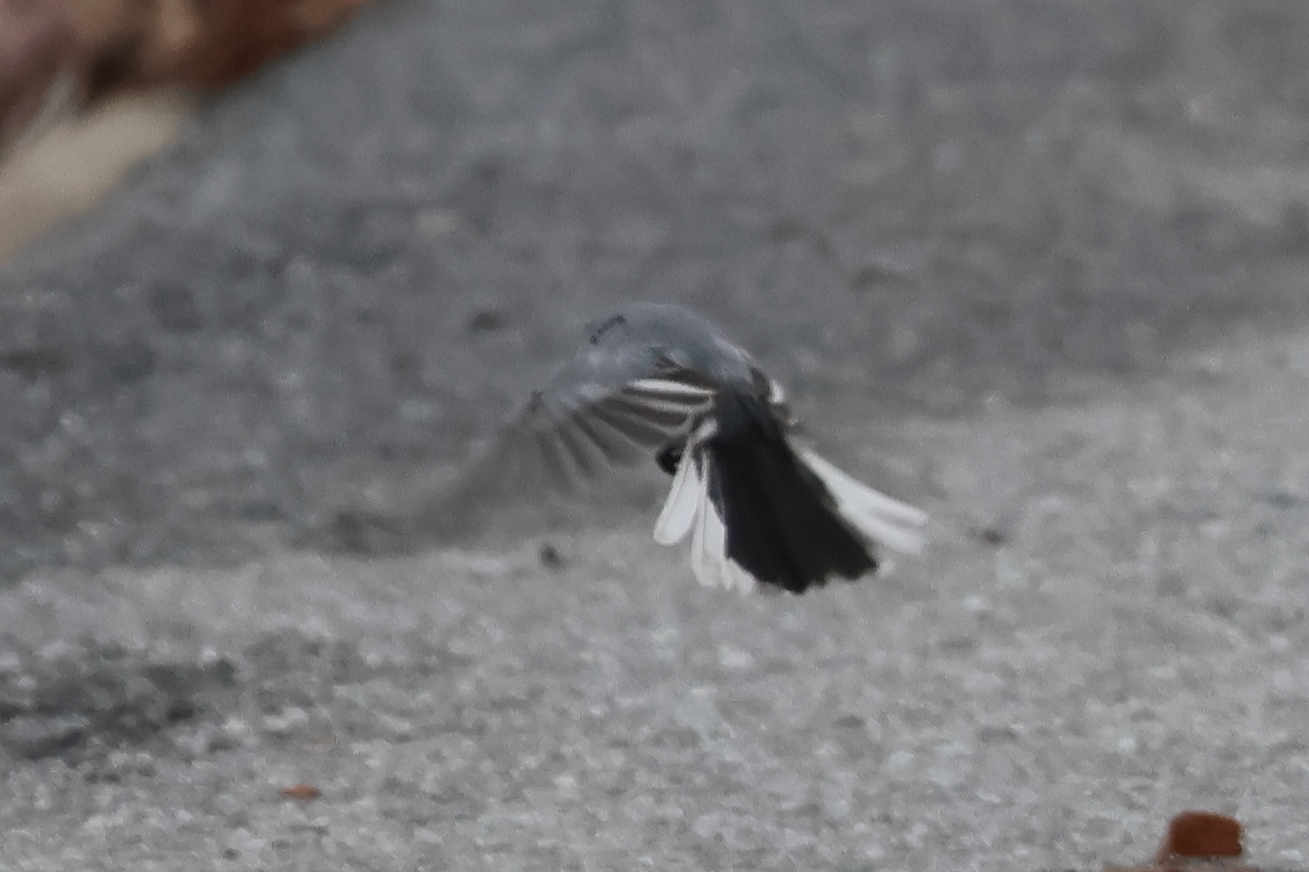
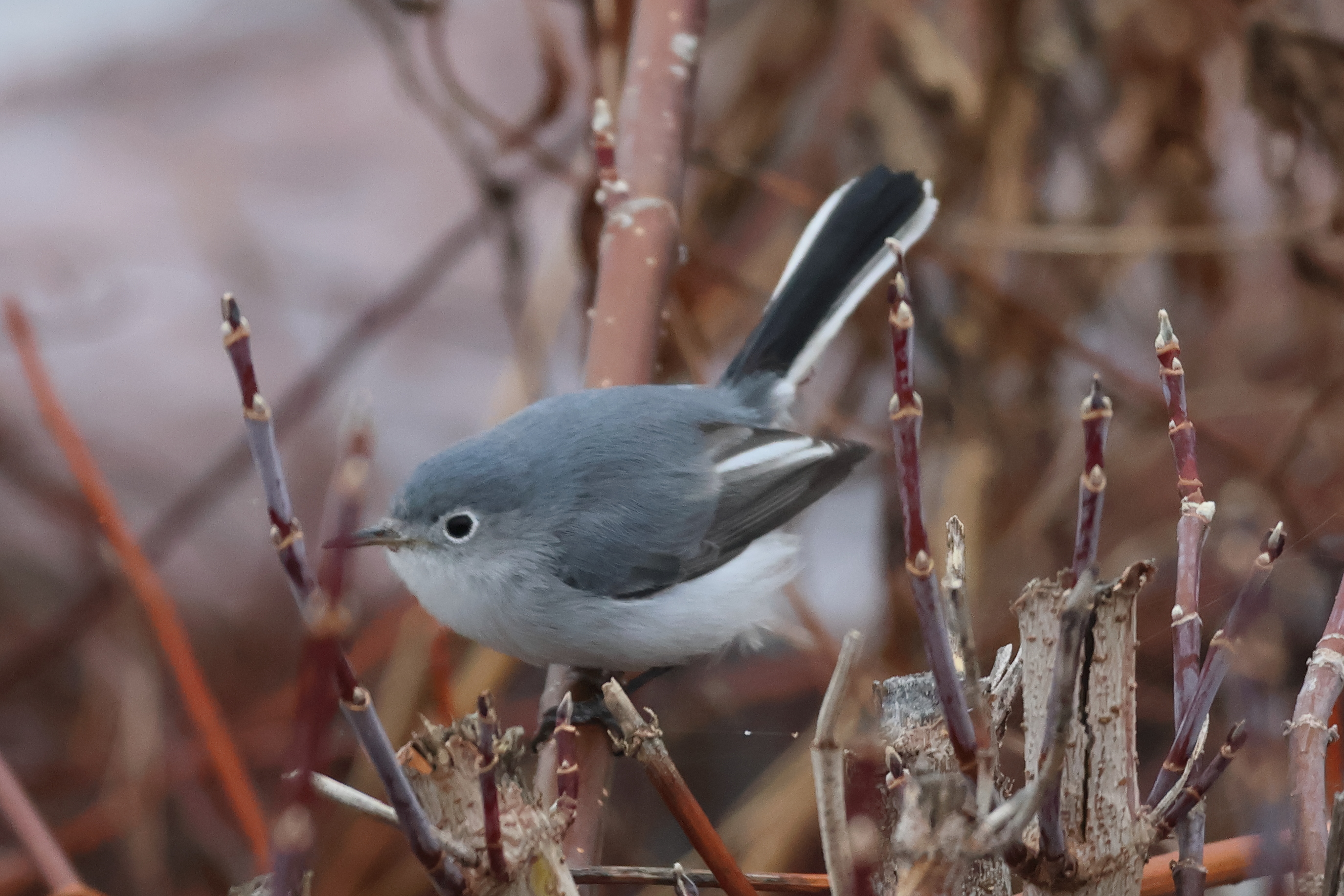
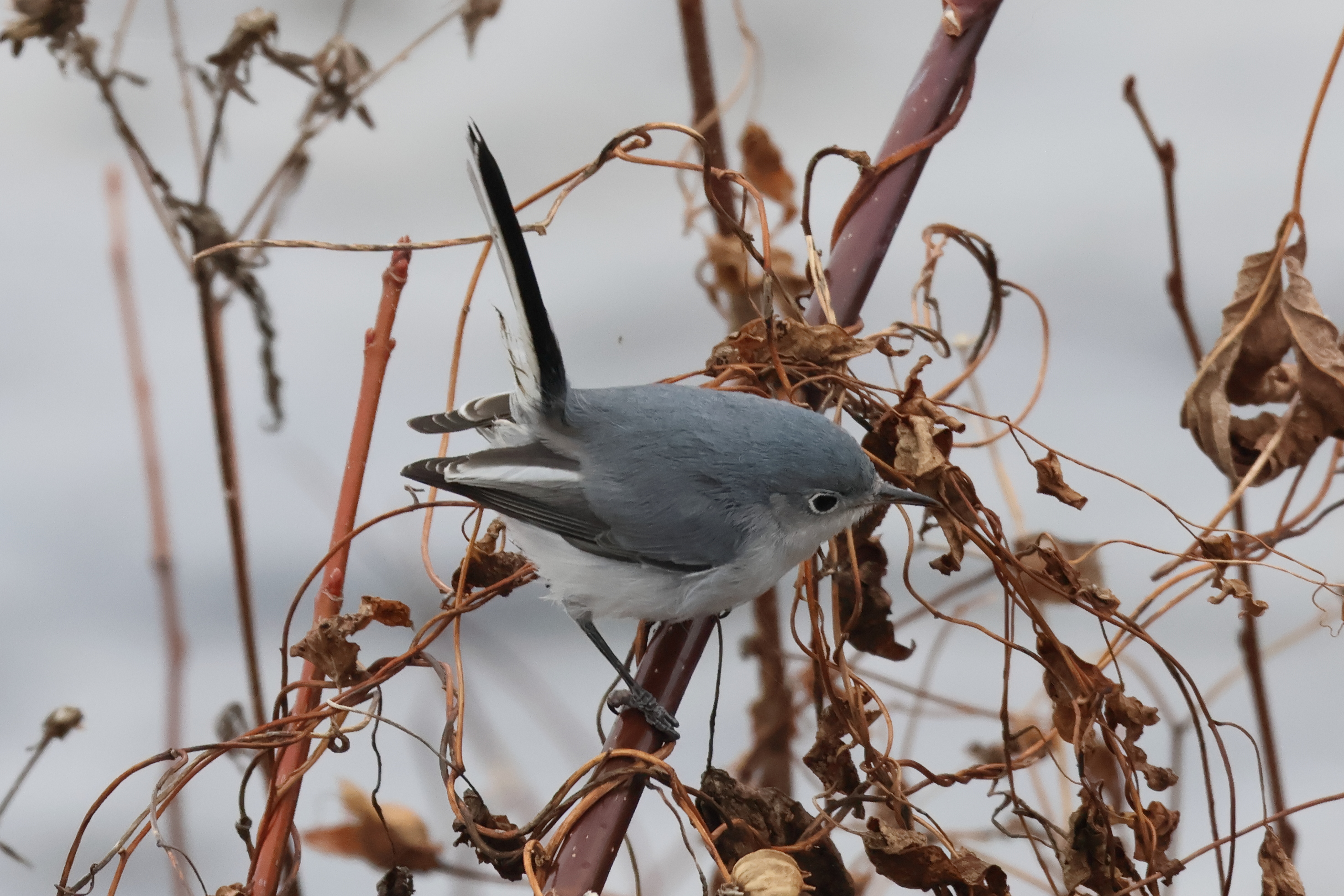
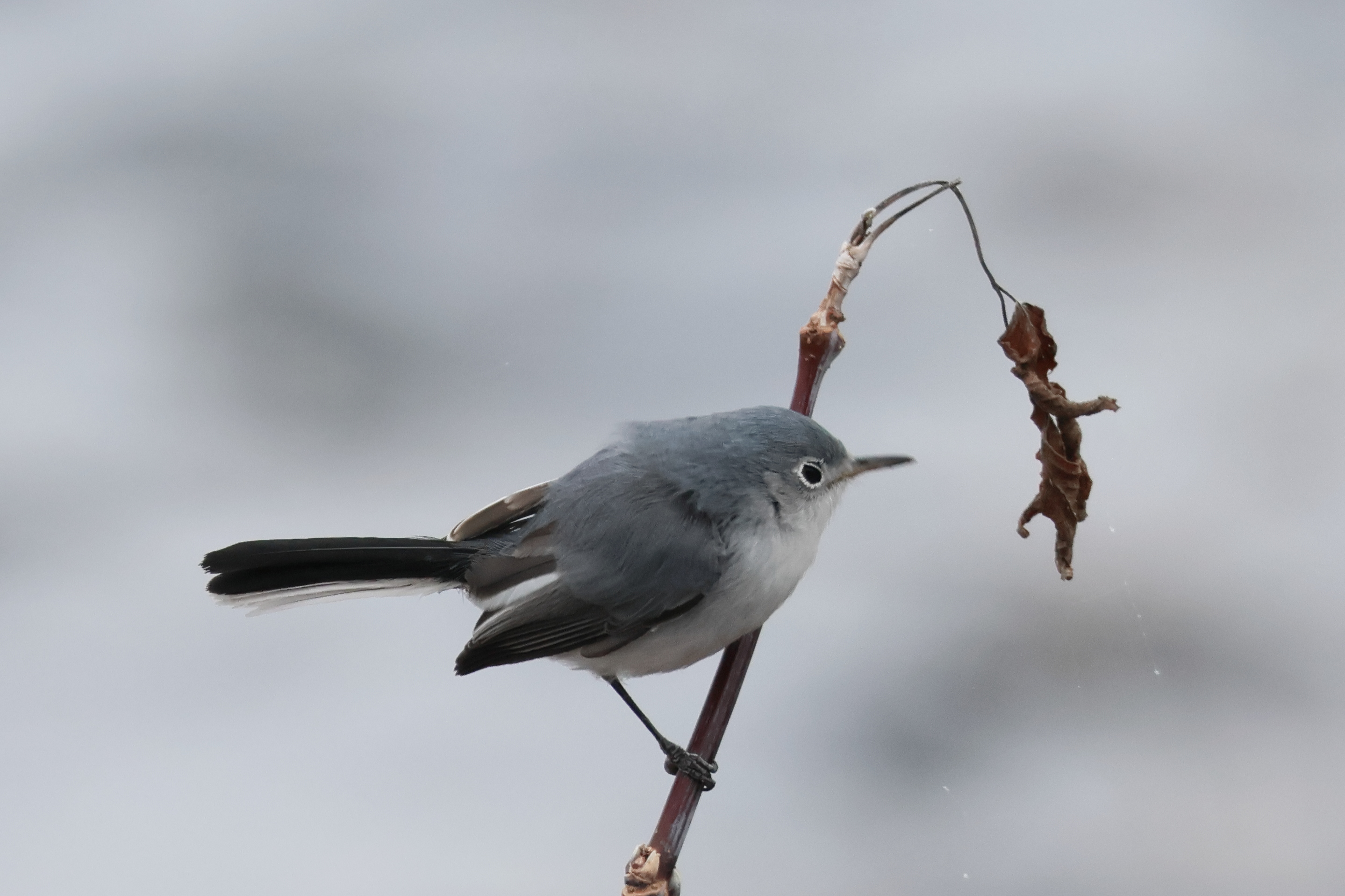
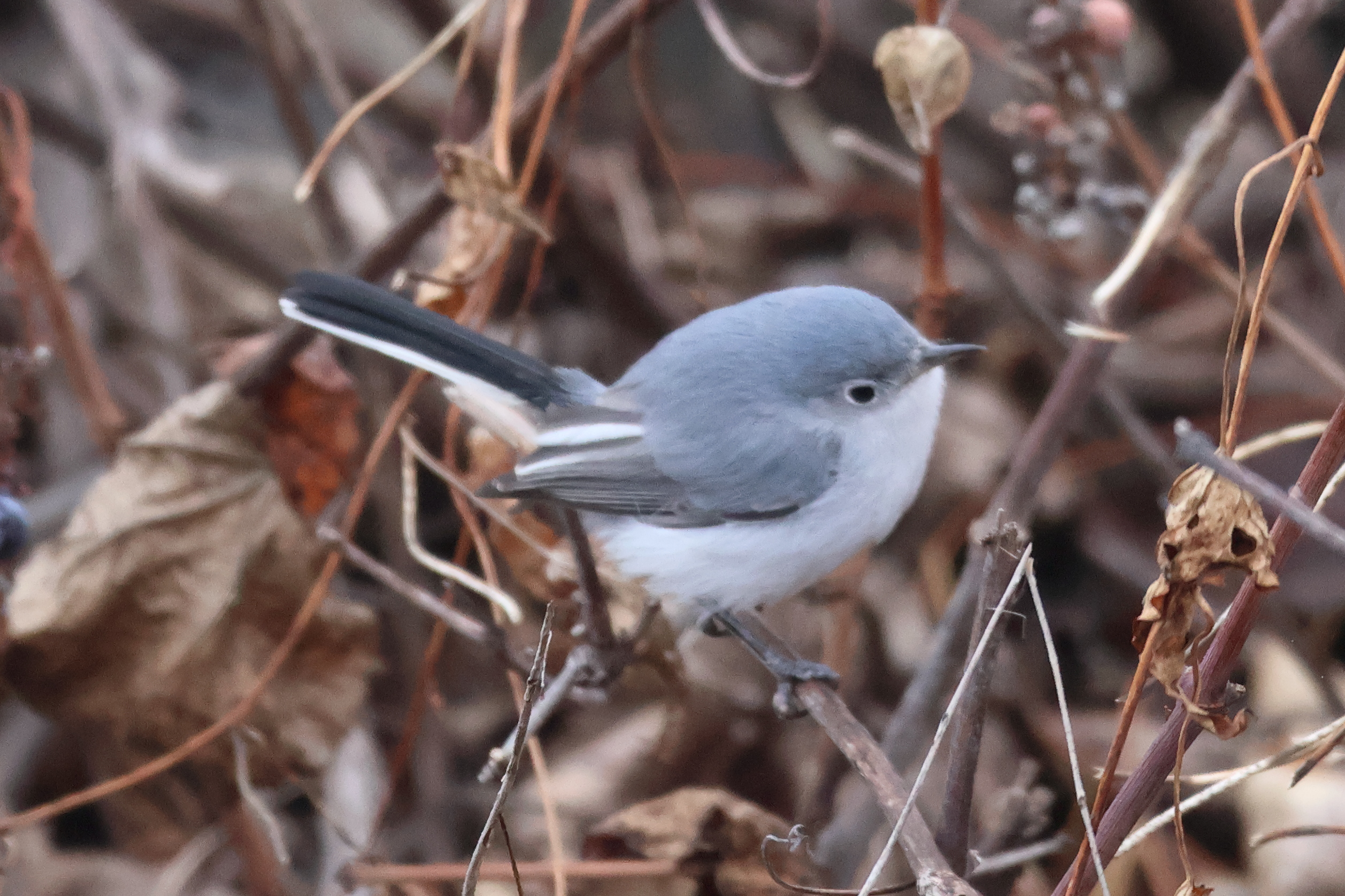
| Media | |
| Number Observed | 1 |
| Reporting Observer's Name | Sam Darmstadt |
| Mailing Address | 521 Saint Paul Street Burlington, Vermont 05401 United States Map It |
| Email hidden; Javascript is required. | |
| Date Completed | 02/03/2024 |
| Names & Emails of Other Contributing Observers | Chip Darmstadt - |
| Latitude of Observation (enter 0 if unable to provide) | 44.471008 |
| Longitude of Observation (enter 0 if unable to provide) | -73.220830 |
| Place Name | Burlington Waterfront--Wastewater Treatment Plant |
| Township | Burlington |
| County | Chittenden |
| Vermont eBird Checklist URL | ebird.org |
| Time of Day | 08:25 AM |
| Length of Time Observed | 20 minutes |
| Maximum Estimated Distance from Bird (in feet) | 25 feet |
| Minimum Estimated Distance from Bird (in feet) | 5 feet |
| Noteworthy Weather Conditions | Cold, cloudy, no precipitation |
| Optical Equipment Used for Observation | Vortex Razor HD 10 x 42 Binoculars |
| Observer’s Previous Acquaintance With This or Similar Species | Both observers have extensive experience with seeing and hearing Blue-gray Gnatcatchers in Vermont and throughout both the eastern and western United States. Between the two primary observers, they also possess some, but limited, experience with Black-tailed, Black-capped, and California Gnatcatchers. |
| I certify that any attachments included with this report were captured during this observation event. | |
| Description of Habitat | Shrubs/thickets along the bike path at the burlington waterfront. Mostly in bushes but also on the bike path, stones, grassy lawn, and metal benches. |
| Behaviors Observed | We watched it feeding pretty actively on arthropods. |
| Description of Vocalizations | Classic wheezy gnatcatcher calls. Consistent with the eastern subspecies of Glue-gray Gnatcatcher. |
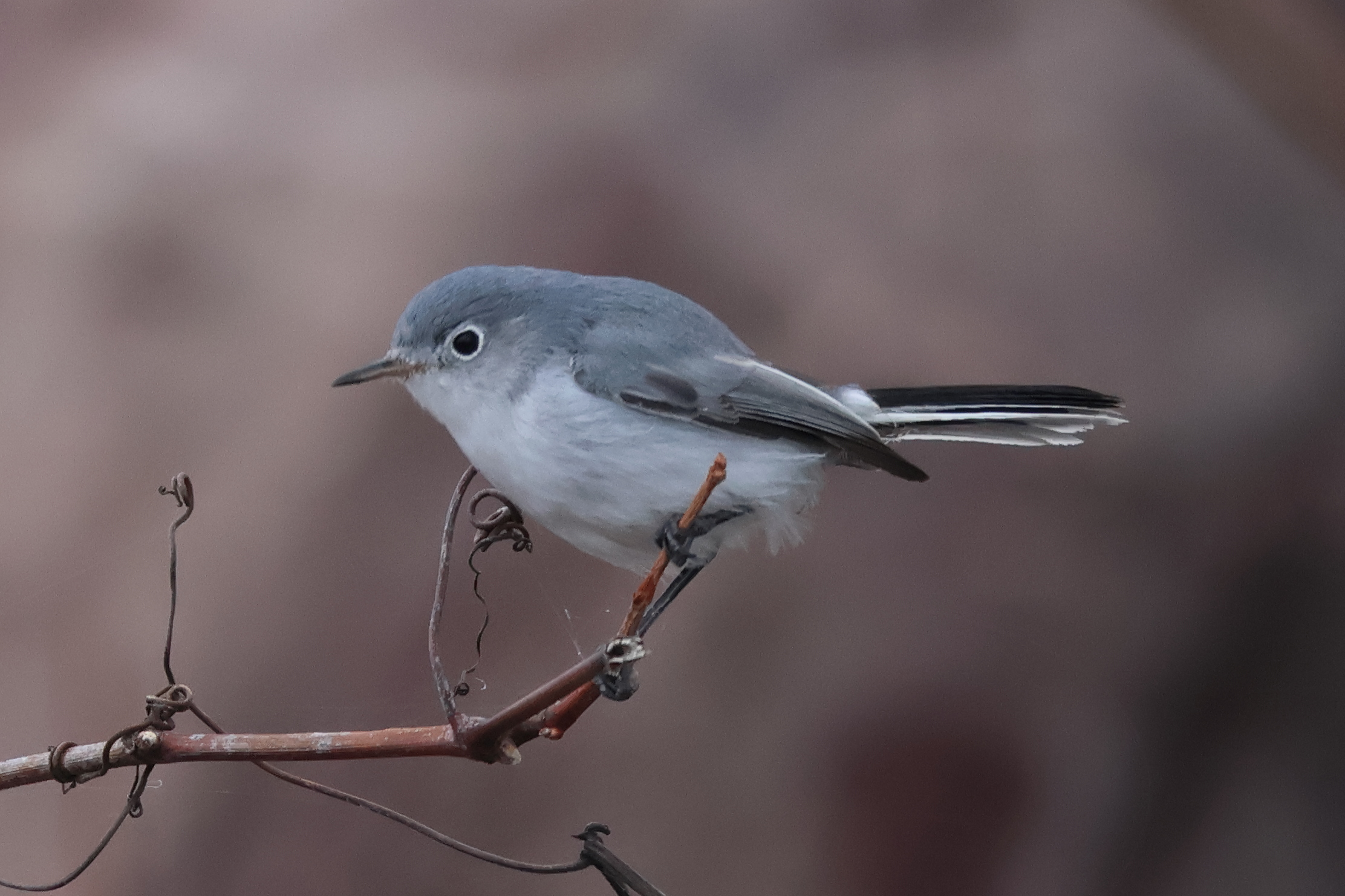
| Verbal Narrative & Description of Observation | "A big surprise while Sam and I were walking the dog along the Burlington waterfront! Small gray bird with a very long tail often held upright while foraging. Fairly uniform gray overall, with white eye ring and long black tail with white outer tail feathers. No other facial markings. White edging to tertials, but otherwise no wing bars. Underside of tail difficult to see, but looked white on outer edges and black centrally. Gave a nasal wheezy call a couple of times. The bird was foraging actively on the ground, flitting up to some maple saplings and conifers next to the VT Railway building. Poor photos. Super late (first December record for Chittenden Co. according to eBird)." - written by Chip on eBird mobile the first day we observed the bird. "Continuing super late bird. Now the state late date. Appeared right away as we got out of the car in the Perkins pier parking lot. Photos and audio." - written by Sam on eBird mobile the second day we observed the bird (https://ebird.org/checklist/S157120604) |
| IMPORTANT: What similar species were eliminated when making the identification and how was this bird different? | All other North American gnatcatchers species were eliminated by differences in vocalizations. California and Black-tailed Gnatcatchers were eliminated by undertail pattern (both species lack the extensive white on the outer rectrices seen in Blue-gray Gnatcatcher and have more black undertails with white edging on some feathers). Black-capped is harder to eliminated by undertail patter but is eliminated by the presence of a pinkish base to the lower mandible, bold white eyering, and vocalizations. |
| Other Notes & Comments | Age and sex were not determined. We observed the bird again on the following day which is when better pictures and well as audio and video were obtained: https://ebird.org/checklist/S157120604. Larry Clarfeld and his two kids also observed the bird later in the day on December 24th. |
| This report was written from notes taken: | Immediately After |


Vermont Atlas of Life Partners