| Common Name | Ash-throated Flycatcher |
|---|---|
| Scientific Name | Myiarchus cinerascens |
| Type of Report | Rare Species |
| Date of Observation | 12/17/2023 |
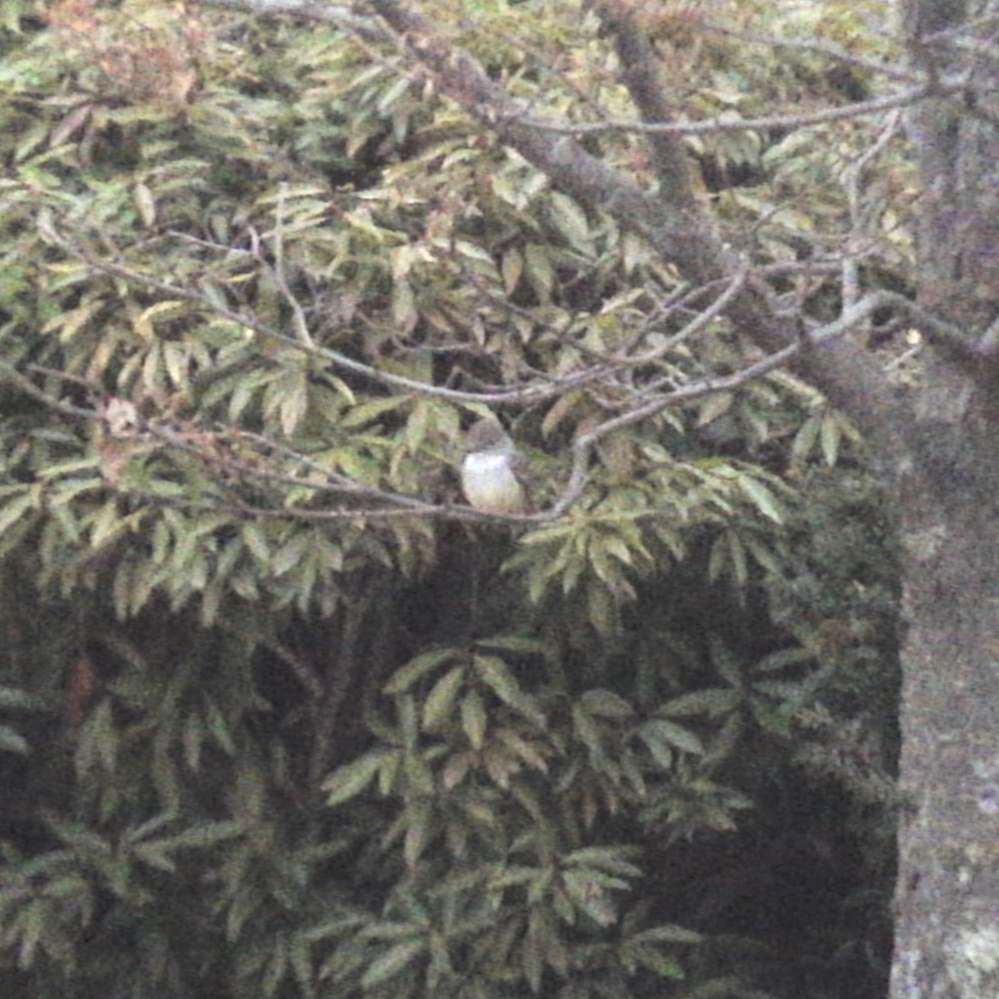
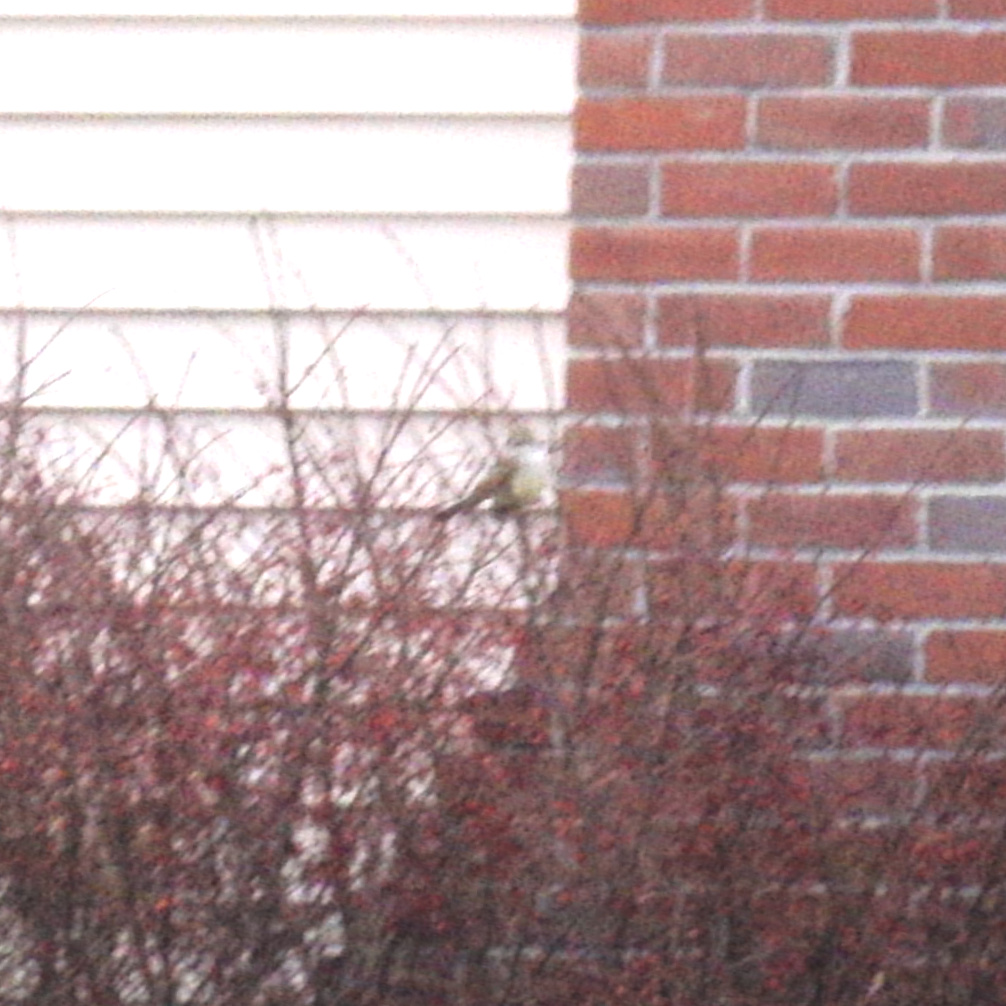
| Media | |
| Number Observed | 1 |
| Reporting Observer's Name | David Guertin |
| Mailing Address | 1599 Route 30 Cornwall, VT 05753 United States Map It |
| Email hidden; Javascript is required. | |
| Date Completed | 12/17/2023 |
| Names & Emails of Other Contributing Observers | Natalia Perchemlides |
| Latitude of Observation (enter 0 if unable to provide) | 44.013303 |
| Longitude of Observation (enter 0 if unable to provide) | -73.153284 |
| Place Name | 25 Evergreen Lane |
| Township | Middlebury |
| County | Addison |
| Time of Day | 03:00 PM |
| Length of Time Observed | 5 minutes |
| Maximum Estimated Distance from Bird (in feet) | 120 |
| Minimum Estimated Distance from Bird (in feet) | 100 |
| Noteworthy Weather Conditions | Cloudy, 40F |
| Optical Equipment Used for Observation | Hawke Frontier ED X 8x42 binoculars |
| Observer’s Previous Acquaintance With This or Similar Species | Very familiar with Great Crested Flycatcher, our usual breeding season Myiarchus. I have seen Ash-throated Flycatchers in Utah, but I have never been in the position of needing to distinguish between the two species! |
| I certify that any attachments included with this report were captured during this observation event. | |
| Description of Habitat | Suburban front yards around a cul-de-sac, with the development surrounded by mature hardwood forest. One of the front yards contained an active bird feeder with typical feeder birds visiting it: chickadees, nuthatches, and juncos. The flycatcher was not visiting the feeder while we watched from the center of the cul-de-sac, but was perched in nearby trees and shrubs. |
| Behaviors Observed | No feeding observed. Mostly the bird was perched motionless on branches, occasionally flying to a different shrub or tree. |
| Description of Vocalizations | Silent during the time we watched. |
| Verbal Narrative & Description of Observation | The initial impression based on size, profile, and posture, was that of a largish flycatcher. My first thought turned to Eastern Phoebe, but after seeing the bird clearly in the binoculars, the rufous flight feathers, yellow belly, and brown crest immediately marked this as a Myiarchus flycatcher. The next field mark that jumped out at us was a distinctly white throat, blending to a light off-white breast. This was the first indication that this bird might not be a Great Crested Flycatcher. |
| Relative Size & Shape | Largish flycatcher, larger than an Eastern Phoebe, about the size of a Great Crested Flycatcher. |
| Head | Brown crested crown, gray cheeks, obvious white throat that jumped out at us. |
| Feet & Bill | Largish, thick flycatcher bill. Did not see the feet, |
| Upper Back | No observations |
| Lower Back & Rump | No observations |
| Wings | Two white wing bars, distinct rufous primaries |
| Breast, Belly, Flanks, Under Tail Coverts | Pale off-white breast, pale yellow belly. Did not see the under tail coverts. |
| Tail | Long, rufous |
| IMPORTANT: What similar species were eliminated when making the identification and how was this bird different? | The obvious Myiarchus that might be expected in Vermont is Great Crested. We believe this is an Ash-throated rather than Great Crested for the following reasons: |
| Other Notes & Comments | I will be returning to the site to try to get better photos, and if successful I'll include them here. |
| This report was written from notes taken: | During the Observation |
Vermont Atlas of Life Partners