| Common Name | Sedge Wren |
|---|---|
| Scientific Name | Cistothorus stellaris |
| Type of Report | Rare Nesting Species |
| Date of Observation | 06/27/2022 |
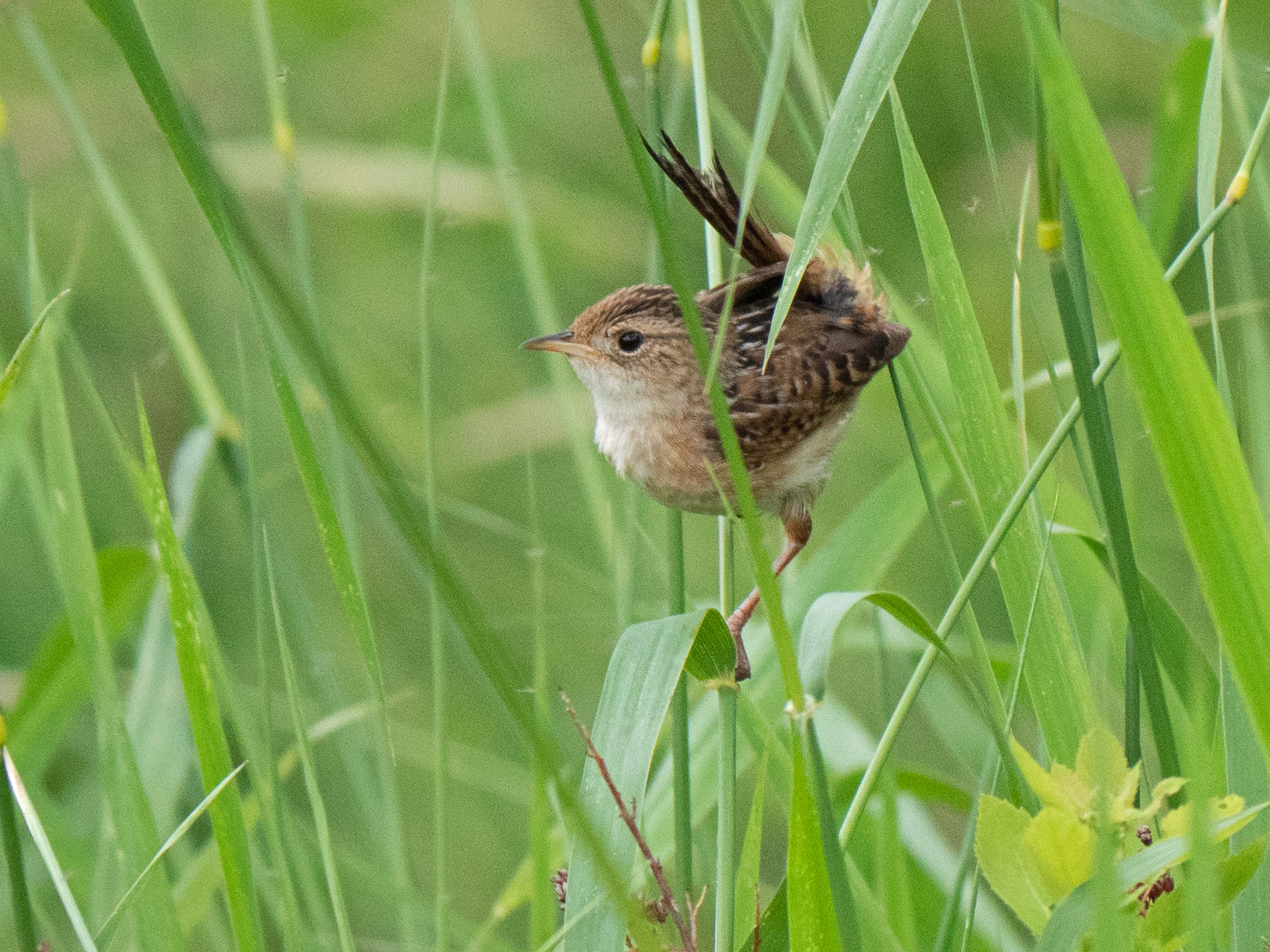
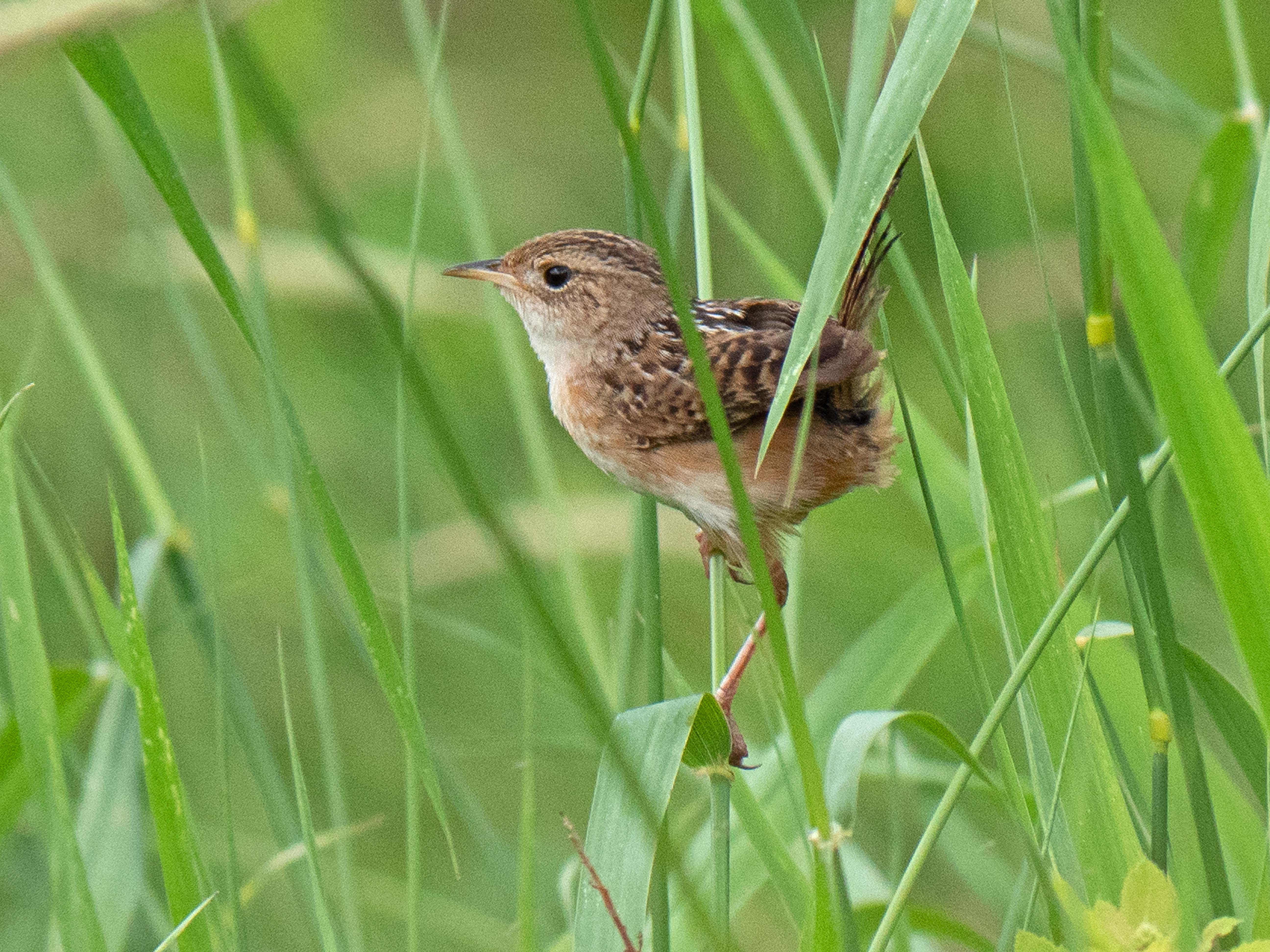
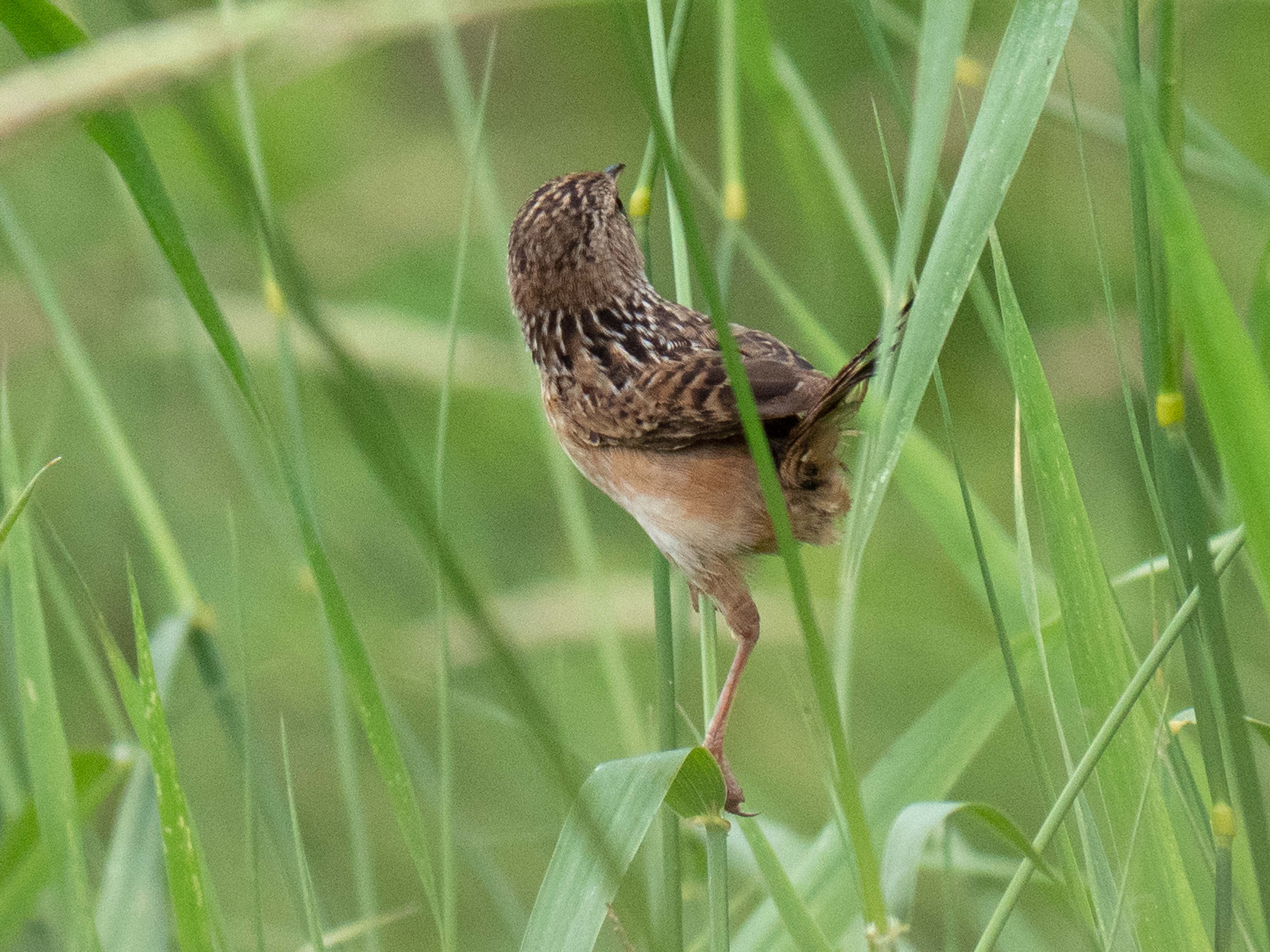
| Media | |
| Number Observed | 2 |
| Reporting Observer's Name | Susan Elliott |
| Mailing Address | 62 Heather Ln Rutland, VT 05701 United States Map It |
| Email hidden; Javascript is required. | |
| Date Completed | 06/27/2022 |
| Names & Emails of Other Contributing Observers | Marvin Elliott, |
| Latitude of Observation (enter 0 if unable to provide) | 43.615009 |
| Longitude of Observation (enter 0 if unable to provide) | -73.063036 |
| Place Name | Whipple Hollow Trail, Whipple Hollow Rd |
| Township | West Rutland |
| County | Rutland |
| Vermont eBird Checklist URL | ebird.org |
| Time of Day | 12:33 PM |
| Length of Time Observed | 1 hour 45 minutes |
| Maximum Estimated Distance from Bird (in feet) | 6' |
| Minimum Estimated Distance from Bird (in feet) | 30' |
| Noteworthy Weather Conditions | clear, bright sun, from the side of our viewing area and not into our eyes; light breeze |
| Optical Equipment Used for Observation | Vortex Razor 8x32; Vortex Viper 8x32 |
| Observer’s Previous Acquaintance With This or Similar Species | only a few times outside of Vermont; sighting on May 30, 2022 was the first time in Vermont; seen and or heard at this location five times since first sighting |
| I certify that any attachments included with this report were captured during this observation event. | |
| Description of Habitat | a typical Vermont 'wet meadow' with areas of higher, drier spots and depressions of sedges and reed canary grass, scattered with short shrubs |
| Behaviors Observed | One Sedge Wren flew to a clump of grass repeatedly (at least eight times) with food in its mouth during our visit although we did not see this behavior until the last 45 minutes or so while there. Each time the bird came back out with nothing in its beak. It would frequently disappear into the grass nearby and pop up a few seconds to minutes later with food it its mouth (at one point we could see an insect with large wings) and fly low over the grass to the nest site. As this occurred the second bird, presumably the male, sang from a low perch 10' to 30' away. |
| Description of Vocalizations | dry rattling song with two-three introductory notes; raspy call notes |
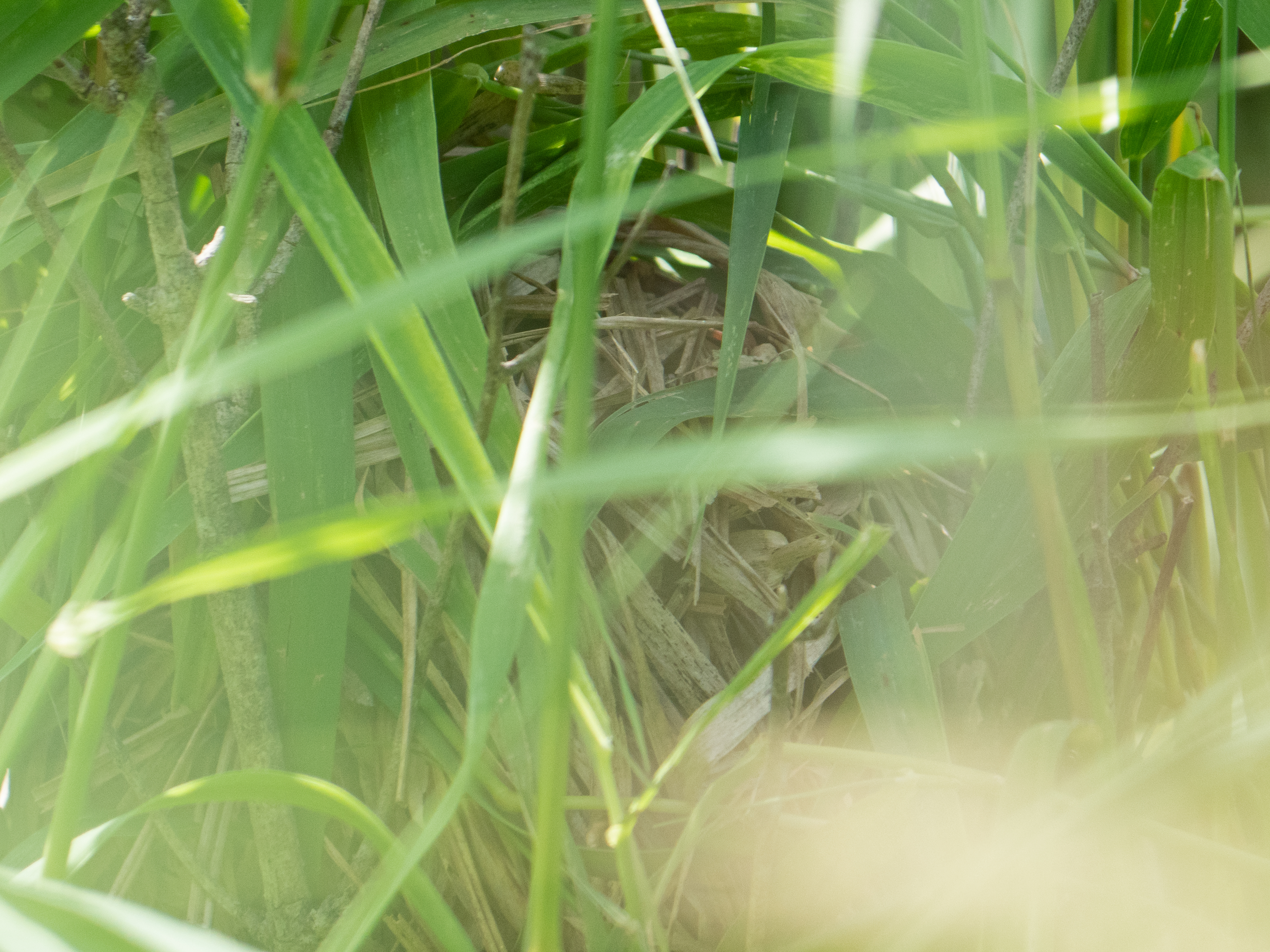
| Verbal Narrative & Description of Observation | A Sedge Wren was first discovered by Kyle Bardwell at this site on May 28, 2022. On May 29, 2022, two Sedge Wrens were reported by Jo Jo Doyle, Jim Mead, Craig Provost, Linda Shelvey and Brent Stephenson. On June 1, 2022 John Peckham reported two Sedge Wrens that appeared to be copulating. A Sedge Wren was photographed and recorded many times by multiple observers since the original report. We arrived at the site at mid-day on June 27, 2022 after a morning of heavy rain. As we first entered the meadow from the woods, a Sedge Wren was singing in the immediate area. It proceeded to sing from several perches in the area no further than 30'-50' from where we stood. A couple times a second Sedge Wren could be heard calling from a different spot, but in the same immediate area. For the last 45 minutes or so of our visit we noticed the second bird fly to a low, tan clump of woven grasses set within green grass (maybe Reed Canary Grass) not far from the trail (see photo) and near some shrubs. The nest was probably about one foot from the ground and well hidden. We did not want to go further to inspect. I understand male Sedge Wrens build dummy nests, but it was into this clump that the presumed female flew with a mouth full of food and then re-appeared with an empty beak. This was repeated at least eight times while we were there. The bird would fly out and disappear into the grass nearby to re-emerge with another mouthful of food. All of its flights were just above the height of the grass while the singing bird would take higher flights. I did not include a photo of the nest or breeding codes in my eBird checklist for the protection of the birds. |
| Relative Size & Shape | A small bird with a typical wren profile of a short, upturned tail. |
| Head | Crown with fine streaks darker than face; cheeks tan and relatively unmarked; eye appeared dark with a bit of a pale eyebrow; throat pale and unmarked nape brown. |
| Feet & Bill | Feet tan/dull pink; short bill, slightly decurved, pale in color. |
| Upper Back | Upper bill black and white streaks. |
| Lower Back & Rump | Could not see as wings were folded above. |
| Wings | Wings medium brown and darker brown. |
| Breast, Belly, Flanks, Under Tail Coverts | Upper breast cream becoming tanner on lower belly and flanks. |
| Tail | Tail upturned and barred. |
| IMPORTANT: What similar species were eliminated when making the identification and how was this bird different? | House Wren has less distinct markings and appears a more uniform brown all over. Marsh Wren back has finer black and white streaks on back and overall a more warm brown appearance. Carolina Wren too big; Winter Wren too small. |
| Other Notes & Comments | Both birds were identical and appeared to be adults. Presuming only the male sings, there were a male and female present. |
| This report was written from notes taken: | Immediately After |
Vermont Atlas of Life Partners