| Common Name | King Eider |
|---|---|
| Scientific Name | Somateria spectabilis |
| Type of Report | Rare Species |
| Date of Observation | 02/12/2022 |
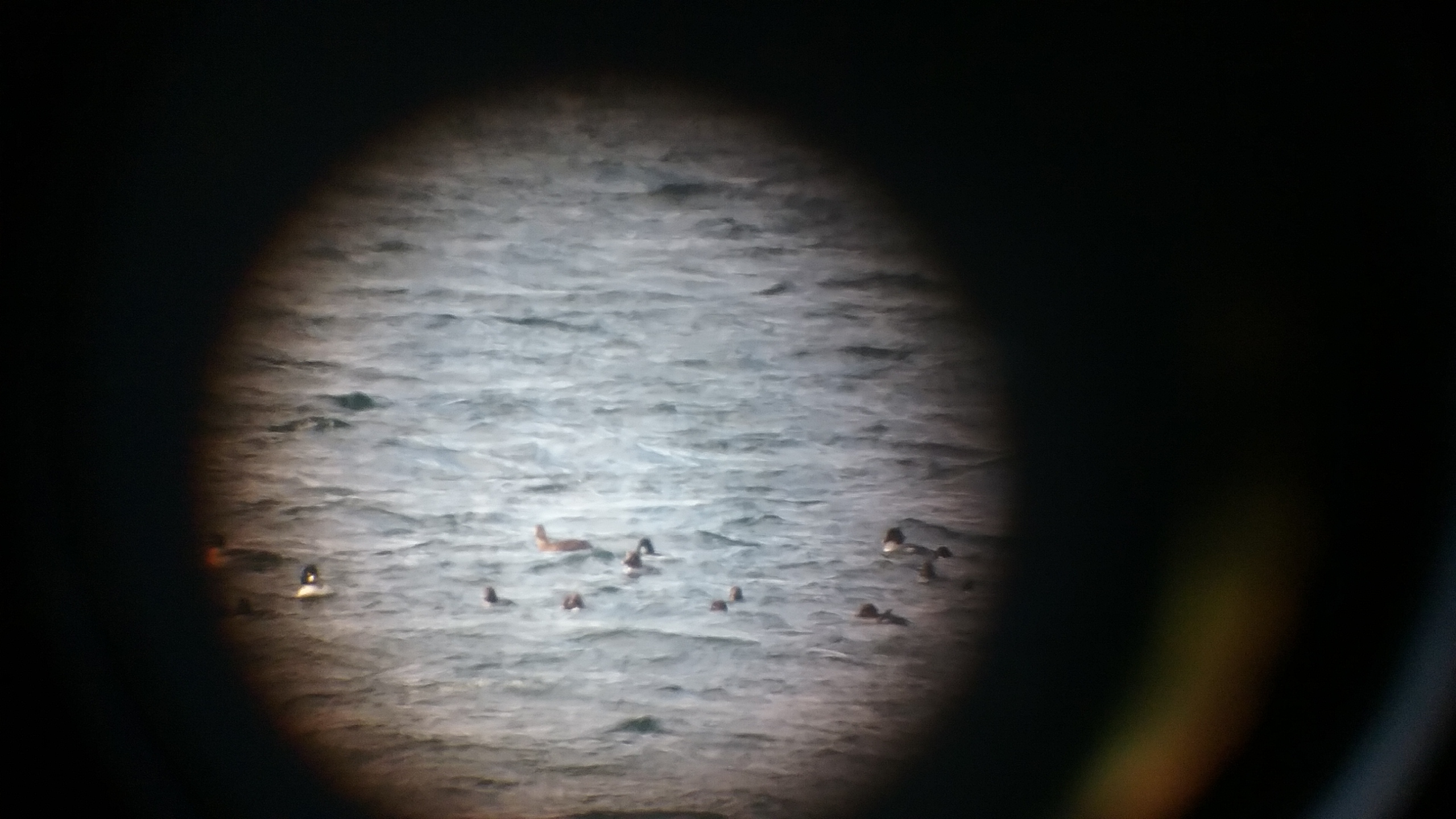
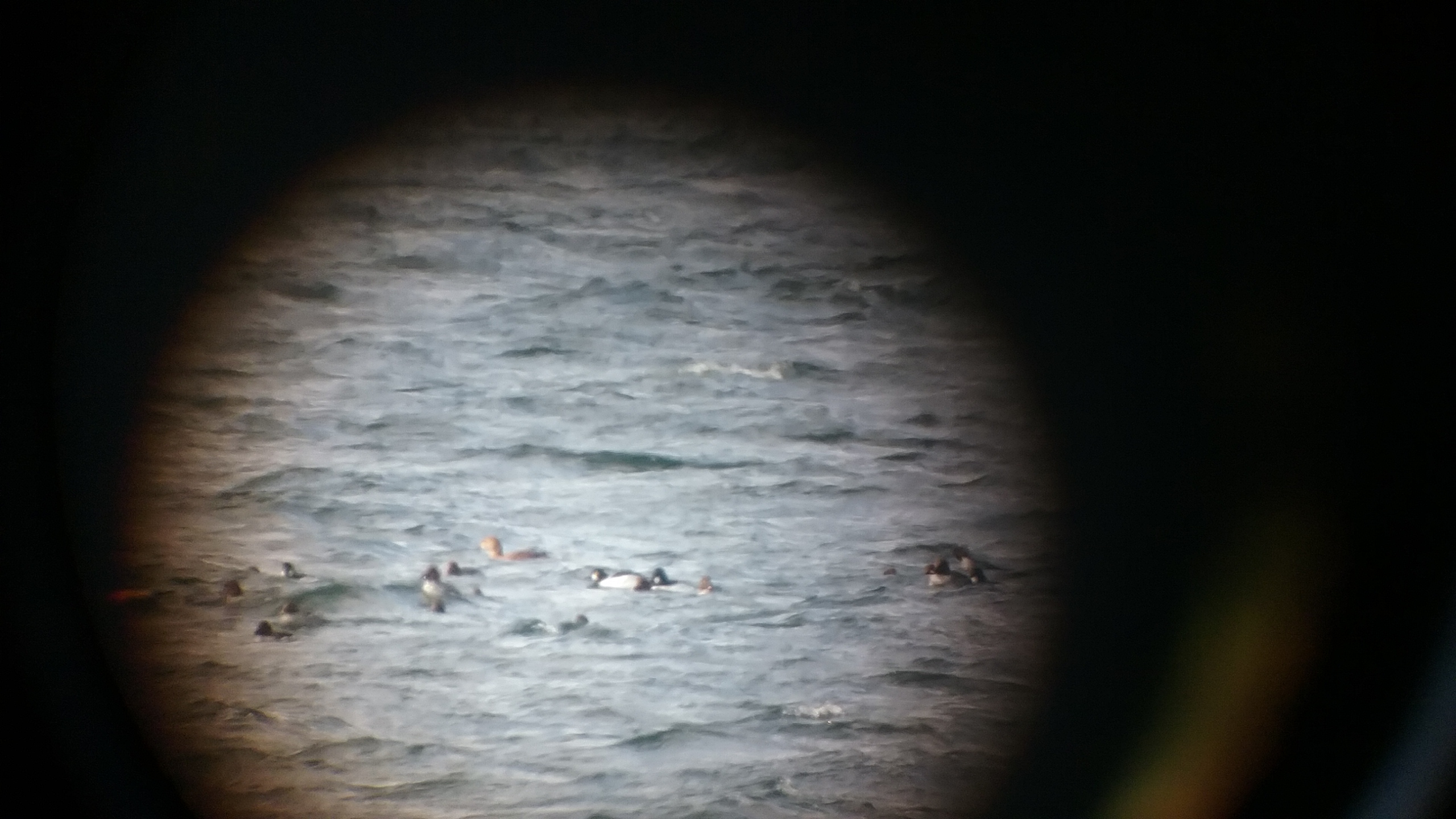
| Media | |
| Number Observed | 1 female |
| Reporting Observer's Name | Theodore Murin |
| Mailing Address | 71 Irish Cove Road South Burlington, VT 05403 United States Map It |
| Email hidden; Javascript is required. | |
| Date Completed | 02/13/2022 |
| Names & Emails of Other Contributing Observers | Craig Provost (South Burlington, VT) |
| Latitude of Observation (enter 0 if unable to provide) | 44.33512 |
| Longitude of Observation (enter 0 if unable to provide) | -73.28451 |
| Place Name | Charlotte Town Beach |
| Township | Charlotte |
| County | Chittenden |
| Time of Day | 11:12 AM |
| Length of Time Observed | about 20 minutes |
| Maximum Estimated Distance from Bird (in feet) | 1000 |
| Minimum Estimated Distance from Bird (in feet) | 700 |
| Noteworthy Weather Conditions | Air temp 45 F, water 34 F, wind roughly south 10 mph, partly cloudy. Very good viewing conditions initially; fair conditions in the end. Initially at closer distance, atmospheric distortion near negligible and waves minimal. Bird eventually relocated to more distant location, which was more exposed to south wind and waves. Sun also peaked through clouds near the end of observation making atmospheric distortion more noticeable. |
| Optical Equipment Used for Observation | Nikon 20-45x 60mm spotting scope, and a Celestron 8-inch Schmidt-Cassegrain telescope with TeleVue prism erector and Celestron 18mm X-Cel LX eyepiece (effective 113x magnification) mounted on a custom platform, Manfrotto 3066 video head, and Manfrotto 132XB heavy duty tripod. |
| Observer’s Previous Acquaintance With This or Similar Species | Have seen at least six King Eiders, hundreds or thousands of Common Eiders, and hundreds of thousands of Mallards. |
| I certify that any attachments included with this report were captured during this observation event. | |
| Description of Habitat | Lake Champlain - open lake. Bird was loosely associating with large goldeneye flock of several hundred Common Goldeneyes and five or six Barrow's Goldeneyes. |
| Behaviors Observed | Bird was very near large goldeneye raft, remaining to the open water side of the group. It flew with the flock as the entire group relocated a few hundred feet to the southwest. It reared up and flapped several times and dove once. |
| Description of Vocalizations | None heard |
| Verbal Narrative & Description of Observation | Was scanning a large goldeneye flock parked on the water for Barrow's Goldeneyes and noticed this bird at outer edge of the flock. Bird was quickly recognized by its overall structure including domed back and thick neck, finely patterned brown plumage, lighter brown head and neck, black bill with whitish feather intrusion at base, and size relative to goldeneyes. |
| Relative Size & Shape | Noticeably larger than adjacent Common Goldeneyes but not overwhelmingly so as would be Common Eider. Domed back with lower tail section like average diving duck as opposed to elevated tail section like average dabbler such as Mallard. Quite thick-necked and relatively small headed and small billed compared to large head and bill superstructure of Common Eider. |
| Head | Fairly rounded head with distinguishable forehead leading to slightly upward curving upper mandible; overall light brown gradually fading to much lighter brown, nearly white, where intruded onto base of bill; light around dark eye rather than darker eyeline of Common Eider or Mallard. All generally giving much cuter appearance than Common Eider. |
| Feet & Bill | Feet not seen. Bill black, relatively short compared to Common Eider, slightly concave slope on upper edge. |
| Upper Back | Brown, finely patterned with dark; slightly darker than side and head/neck. |
| Lower Back & Rump | Not noted. "Bumps" on back not noticed though also not sought. |
| Wings | Scapulars brown, darker than side and head/neck, finely marked. Flight feathers and greater coverts very dark brown, near black. Axillaries white, with white center to underside of inner wing; underwing otherwise dark. |
| Breast, Belly, Flanks, Under Tail Coverts | Breast and flanks light brown marked with fine dark pattern, under tail not seen. |
| Tail | Short but otherwise not noted. |
| IMPORTANT: What similar species were eliminated when making the identification and how was this bird different? | Distinguished from Mallard as noted above, including thicker neck, black bill, light around eye, domed back, etc. Distinguished from Common Eider as noted above, including "cuter" head and bill structure, smaller size, etc. |
| Other Notes & Comments | Female |
| This report was written from notes taken: | Written from Memory |
Vermont Atlas of Life Partners