| Common Name | Dickcissel |
|---|---|
| Scientific Name | Spiza americana |
| Type of Report | Rare Nesting Species |
| Date of Observation | 07/13/2021 |
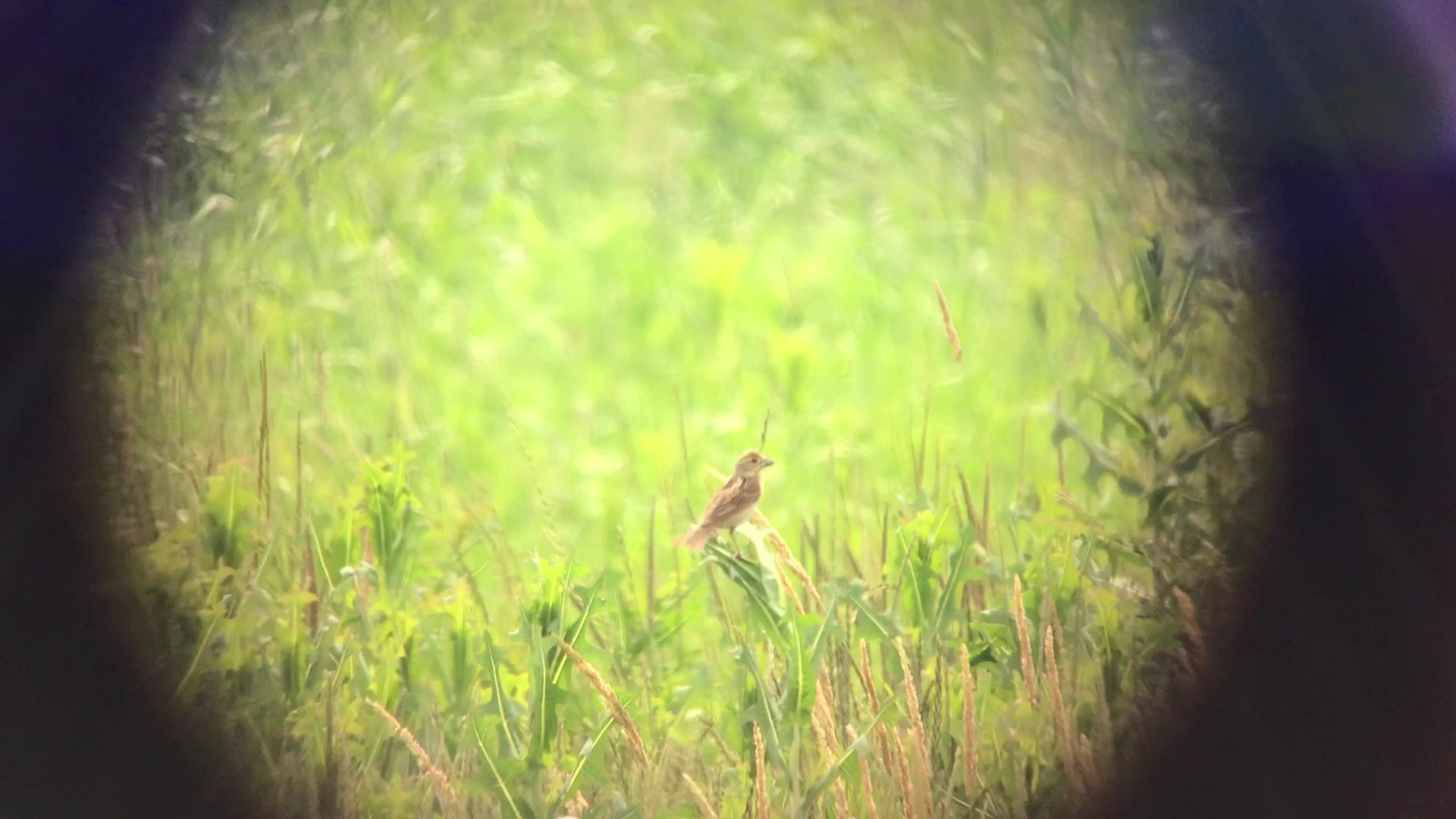
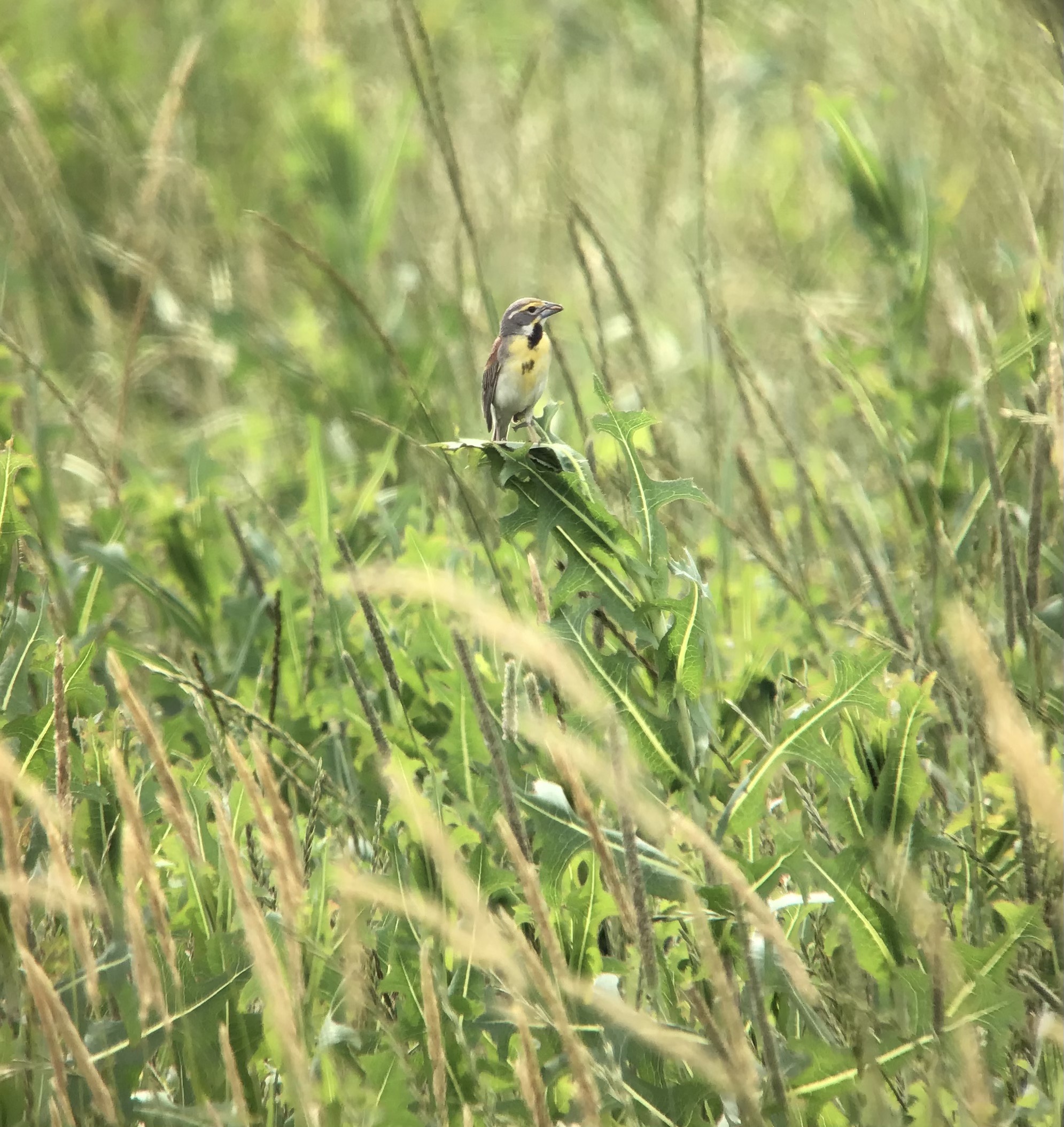
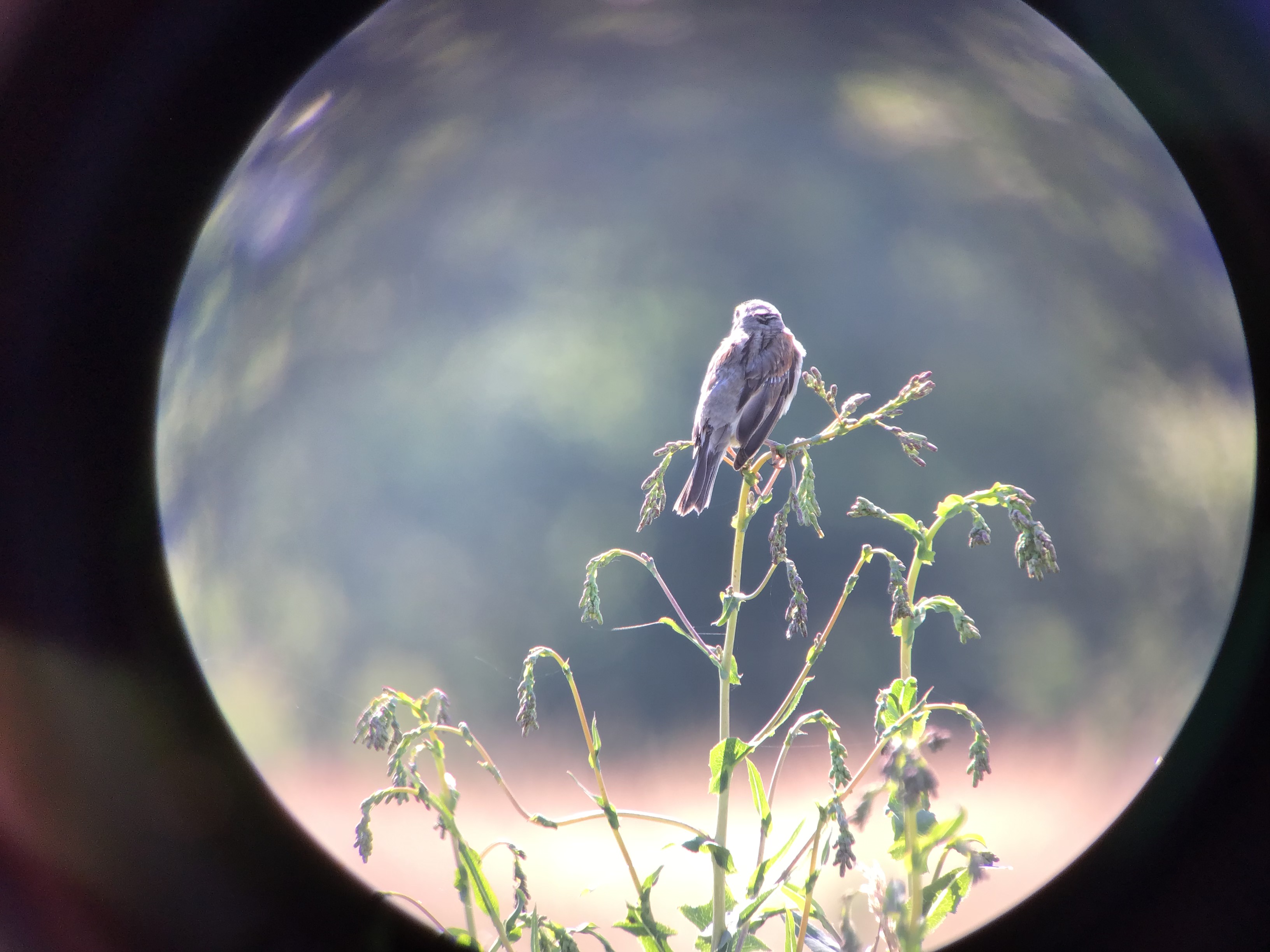
| Media | |
| Number Observed | 2 |
| Reporting Observer's Name | Alison Wagner |
| Mailing Address | P.O. Box 123 Huntington, Vermont 05462 United States Map It |
| Email hidden; Javascript is required. | |
| Date Completed | 11/13/2021 |
| Latitude of Observation (enter 0 if unable to provide) | 0 |
| Longitude of Observation (enter 0 if unable to provide) | 0 |
| Place Name | Lagoon Road |
| Township | Hinesburg |
| County | Chittenden |
| Vermont eBird Checklist URL | ebird.org |
| Time of Day | 04:26 PM |
| Length of Time Observed | 78 minutes |
| Maximum Estimated Distance from Bird (in feet) | 30 feet |
| Minimum Estimated Distance from Bird (in feet) | 30 feet |
| Noteworthy Weather Conditions | I did not record weather data at the time but recall it was sunny and war with a slight breeze. |
| Optical Equipment Used for Observation | Swarovskis, 8.5 X 42 and Kowa scope |
| Observer’s Previous Acquaintance With This or Similar Species | I frequented this location often after seeing copulation on June 24. And returned many times for signs of nesting. On July 11, I observed the adults carrying food. |
| I certify that any attachments included with this report were captured during this observation event. | |
| Description of Habitat | Large open fields, floodplain of LaPlatte River. Perimeter of the field had been cut but fortunately fallow tall vegetation remained where Dickcissel were nesting (too wet for farm equipment). In previous years these fields were used by grazing beef cattle and hemp production but have been unused since (I think) 2019. Some of the other species observed were American Kestrel, Barn Swallows, sparrows, Bobolink, Eastern Meadowlark, many Red-winged Blackbirds (and fledglings), Common Yellowthroats. |
| Behaviors Observed | I had seen indications of feeding nestlings on July 11 and so I returned on July 13 to look for signs of continuing signs of breeding or changes in behaviors. What I observed was an increase in the adults feeding behaviors. On July 13, both male and female were seen foraging for food on west side of road, carrying food to east side of road, teeing up on tall vegetation near probable nesting site and calling before dropping down out of sight. Food was always carried from west side of the road to the east side. When birds reappeared from the probable nesting site, they no longer had food. No fecal sacs were observed being removed from a nest (but had been observed and reported on eBird by Chris Rimmer and the Erbs on July 12). |
| Description of Vocalizations | Male Dickcissel sang while perched on utility line or tall vegetation near probable nesting site. Female called from tall vegetation near probable nesting site. |
| Verbal Narrative & Description of Observation | Behavior indicating caring for nestlings was observed by both parents with an increase in frequency than a previous observation I made on July 11. On July 13, both birds returned consistently to specific areas first to the west to gather food and then to the east side of the road where they delivered food. Because they used such small areas on each side of the road, I was able to observe many instances of them gathering and delivering food for their nestlings. Both adults were observed dropping down into uncut vegetation on the west side of the road and then reappearing from there with food in their bills. The male was observed dropping down into these grasses 5 times and the female once. The male was seen carrying food 6 times and the female once. Three times the male was observed teed up on the utility line, singing, with food in his bill. On one occasion, I was able to determine he was carrying a caterpillar and cricket. Each time the Dickcissels were seen carrying food, they flew to a specific area on the east side of the road. 7 times I observed the male Dickcissel teeing up and singing and looking around, before disappearing into the tall vegetation. One of these times, he remained in sight on the tall vegetation for 15 minutes with the same food in his bill. He sang constantly, and several times he had to stop to re-grasp the food as his singing was causing him to loose his grip! Also noted, the adults teed up on the east side of the road in the same area and some times on the exact same plant as in previous visits. The female was not seen as often, but was observed once teed up on east side of the road with food in her bill and calling. |
| Relative Size & Shape | Similar in size and shape to HOSP. |
| Head | Both male and female had dark cap, male grayish and female brownish, large light supercillium (with male showing more yellow), broken eyering, dark cheek, white throats, chunky bills. Male with dark bib/throat. Both birds have light malar, more pronounced on male. |
| Feet & Bill | Conical bill, light in color. Feet grayish. |
| Upper Back | Sparrow-like streaking of brown and gray. Male with more rufous than female. Nape of male more gray, female brownish. |
| Wings | Brown, gray, sparrow-like in color and pattern. No wing bars. Male showed rufous on shoulders. |
| Breast, Belly, Flanks, Under Tail Coverts | Male has black bib and central spot, lacking on female. Both birds have yellow on upper belly, male noticeably brighter, and light lower belly. |
| Tail | Upper tail on female brownish, male more gray. |
| IMPORTANT: What similar species were eliminated when making the identification and how was this bird different? | Ruled out sparrows based on facial patterns, songs, calls. |
| Other Notes & Comments | Dickcissels were adult breeding pair. |
| This report was written from notes taken: | During the Observation |
Vermont Atlas of Life Partners