| Common Name | Gray-cheeked Thrush |
|---|---|
| Scientific Name | Catharus minimus |
| Type of Report | Rare Species |
| Date of Observation | 09/05/2021 |
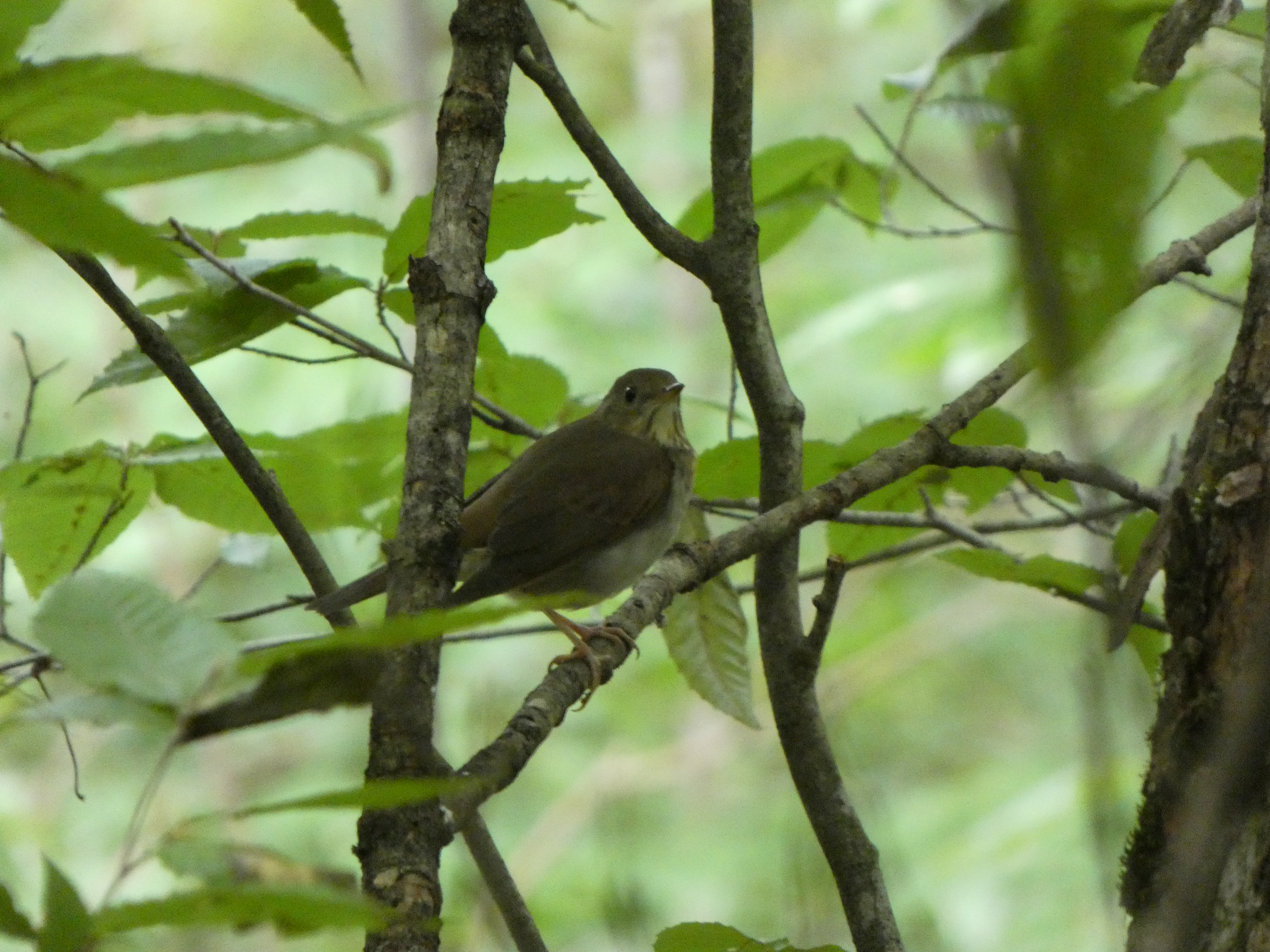
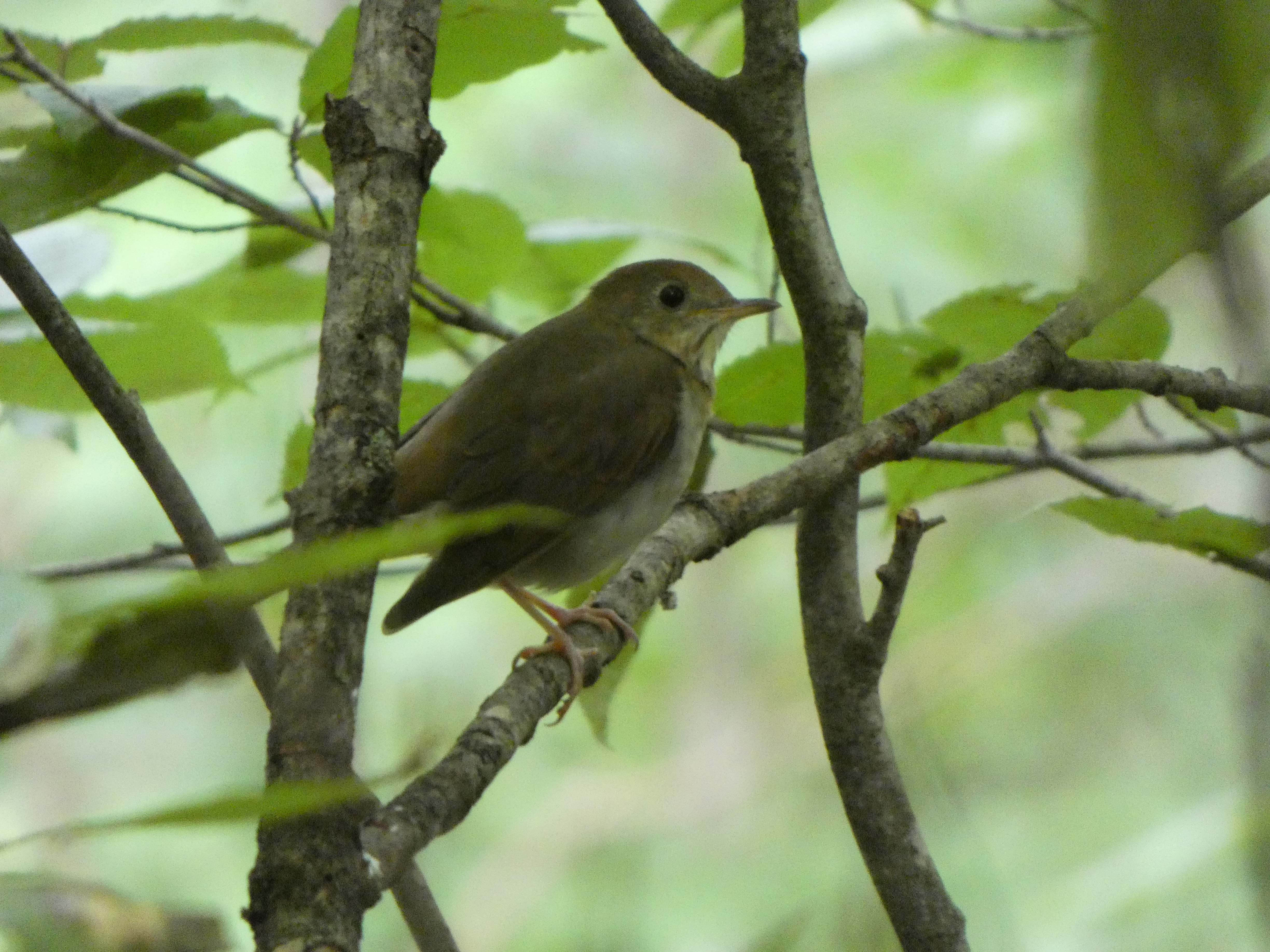
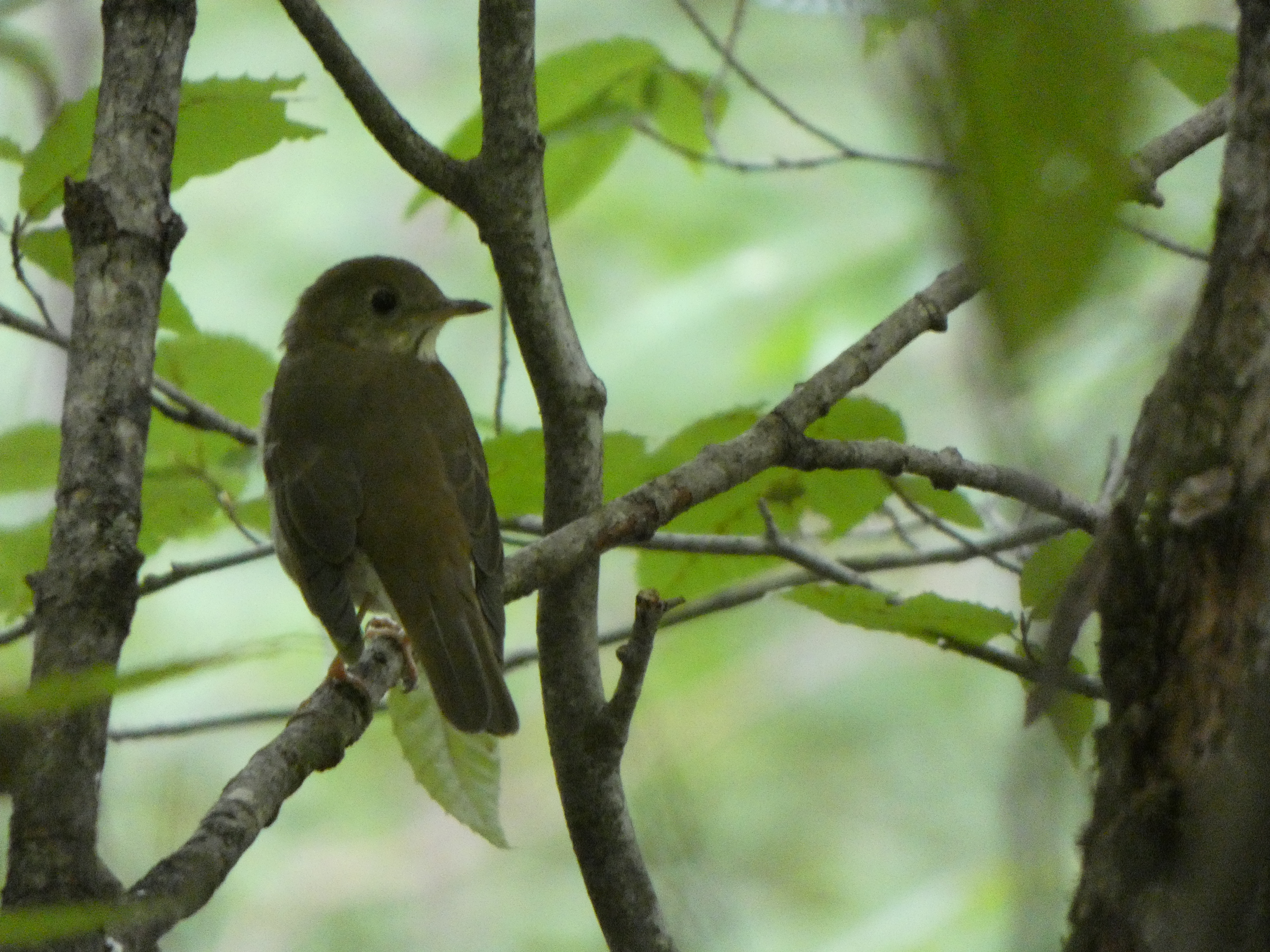
| Media | |
| Number Observed | 1 |
| Reporting Observer's Name | Jon Erickson |
| Mailing Address | 38 Dean Road Vergennes, VT 05491 United States Map It |
| Email hidden; Javascript is required. | |
| Date Completed | 10/01/2021 |
| Latitude of Observation (enter 0 if unable to provide) | 43°57'21.1"N |
| Longitude of Observation (enter 0 if unable to provide) | 73°00'31.0"W |
| Place Name | Robert Frost Trail |
| Township | Ripton |
| County | Addison |
| Vermont eBird Checklist URL | ebird.org |
| Time of Day | 12:30 PM |
| Length of Time Observed | 3 minutes |
| Maximum Estimated Distance from Bird (in feet) | 55 |
| Minimum Estimated Distance from Bird (in feet) | 50 |
| Noteworthy Weather Conditions | Beautiful 70 degree day. |
| Optical Equipment Used for Observation | Binoculars: Vortex Diamondback 8 x 42 mm |
| Observer’s Previous Acquaintance With This or Similar Species | I have made many visual and audio observations of similar thrush species, including Wood, Hermit, Swainson's and Veery in Vermont and New York. I have heard, but have not seen firsthand, Bicknell's thrush near Green Mountain summits. I have never heard or seen a Gray-cheeked Thrush. |
| I certify that any attachments included with this report were captured during this observation event. | |
| Description of Habitat | Second-growth northern hardwood first, dominated by American Beech where bird was observed. The patch of woods was sandwiched between two walking trails, about 100 feet from the large meadow of the Robert Frost Interpretative Trail system. |
| Behaviors Observed | Moving along low branches and undergrowth near forest floor, occasionally jumping to ground and dead logs, seemingly foraging. The photos are from a brief perch when bird seemed to notice me. |
| Description of Vocalizations | No vocalizations heard. |
| Verbal Narrative & Description of Observation | While birding with my Mom, I noticed a bird moving along the forest floor and low branches. I immediately viewed through binoculars and thought "thrush". After studying for perhaps a minute, I noted that it didn't have an obvious eyering, faint spotting was limited to upper breast, and the cheeks and face were gray/dull toned. I had seen, photographed, and ID'ed a Swainson's Thrush a few minutes earlier perhaps 50 yards away and knew it was not the same bird. I got the impression of a different (browner) tone to tail than back, so I thought perhaps Hermit, but the lack of clear eyering, clear red tail, and darker breast spots had me questioning. The bird perched up and I was able to snap a few pictures, zoomed in quite close but with poor under-canopy lighting. Then it was gone and my Mom and I continued our birding walk, thinking I'd check the photos later and make a better determination of species. I did think Bicknell's at the time, but thought the lower elevation likely ruled it out. A Gray-cheeked didn't occur to me until I transferred photos to my phone in the parking lot and ran through the Merlin app for kicks. Gray-cheeked was #1 possibility for each photo. Then it was off to Sibley's, the internet, etc. to read up. After viewing my eBird listing with photos, Ian Worley suggested that a Gray-cheeked/Bicknell's listing was common in these cases, but later encouraged me to submit an RSD. |
| Relative Size & Shape | Catharus thrush size and shape. Difficult to judge size compared to other possible thrushes without more experience. |
| Head | Plain gray face and cheeks, very faint (pale) eyeing, whitish throat framed by dark lateral stripes. Round head. |
| Feet & Bill | Small bill with yellow base. Pinkish legs and feet. |
| Upper Back | Overall drab gray-brown appearance.. |
| Lower Back & Rump | Overall drab gray-brown appearance, transitioning to more of a brownish hue near tail. |
| Wings | Gray-brown wings. |
| Breast, Belly, Flanks, Under Tail Coverts | Faint spotting on upper breast transitioning to a dusky white belly and dark grayish flanks. |
| Tail | I got the impression during observation of a tail browner than back or head, perhaps even it bit red. Tail extended well beyond rump as with Catharus thrushes. |
| IMPORTANT: What similar species were eliminated when making the identification and how was this bird different? | Lacked more distinct eyering, red tail, and more prominent, darker spotting on breast of Hermit Thrush. Lacked the overall reddish appearance of Veery. Lacked the bright white eyering and extensive black spotting of Wood Thrush. Lacked the buffy cheeks/face and eyering of Swainson's Thrush. I could not rule out Bicknell's based on appearance alone, and learned that a reddish hue to tail is a Bicknell's characteristic, but this individual's color is well within plumage variation of Gray-checked, especially in the northeast. |
| Other Notes & Comments | Age or sex was indeterminable. The time of year seems to make either a migrating Gray-cheeked or a lower elevation Bicknell's a possibility. |
| This report was written from notes taken: | Immediately After |

Vermont Atlas of Life Partners