| Common Name | Mexican Violetear |
|---|---|
| Scientific Name | Colibri thalassinus |
| Type of Report | Rare Species |
| Date of Observation | 09/23/2021 |
| Media | |
| Number Observed | 1 |
| Reporting Observer's Name | Nathaniel Sharp |
| Mailing Address | 94 Passumpsic Point West Fairlee, VT 05045 United States Map It |
| Email hidden; Javascript is required. | |
| Date Completed | 09/29/2021 |
| Names & Emails of Other Contributing Observers | Jenn Megyesi - |
| Latitude of Observation (enter 0 if unable to provide) | 43.568083 |
| Longitude of Observation (enter 0 if unable to provide) | -72.489730 |
| Place Name | 121 Cream Pot Road |
| Township | Hartland |
| County | Windsor |
| Vermont eBird Checklist URL | ebird.org |
| Time of Day | 06:30 AM |
| Length of Time Observed | 1.5 hrs |
| Maximum Estimated Distance from Bird (in feet) | 100 |
| Minimum Estimated Distance from Bird (in feet) | 5 |
| Noteworthy Weather Conditions | overcast with a light breeze, temps in the high-60s/low-70s, only interesting weather event recently that could have conceivably pushed this bird so far north is Tropical Storm Nicholas last week, though other methods of vagrancy are certainly possible |
| Optical Equipment Used for Observation | Nikon Monarch 8x42 binoculars |
| Observer’s Previous Acquaintance With This or Similar Species | Not on my radar at all as a species I'd expect to see in VT. But some familiarity with this species from looking at reports of other instances of vagrancy around the US. |
| I certify that any attachments included with this report were captured during this observation event. | |
| Description of Habitat | large property off small dirt road with plentiful gardens and open spaces, surrounded by hardwood forest |
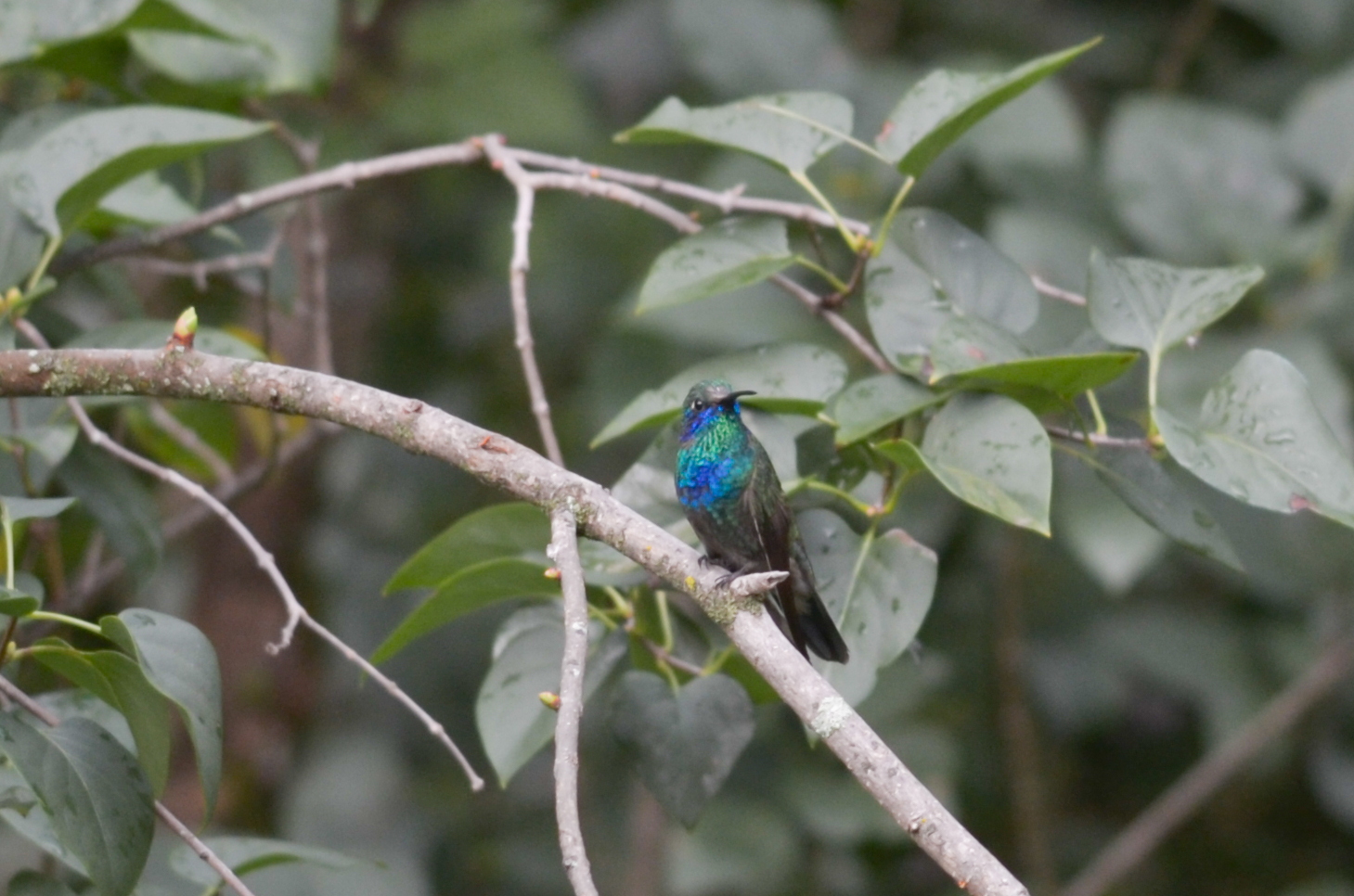
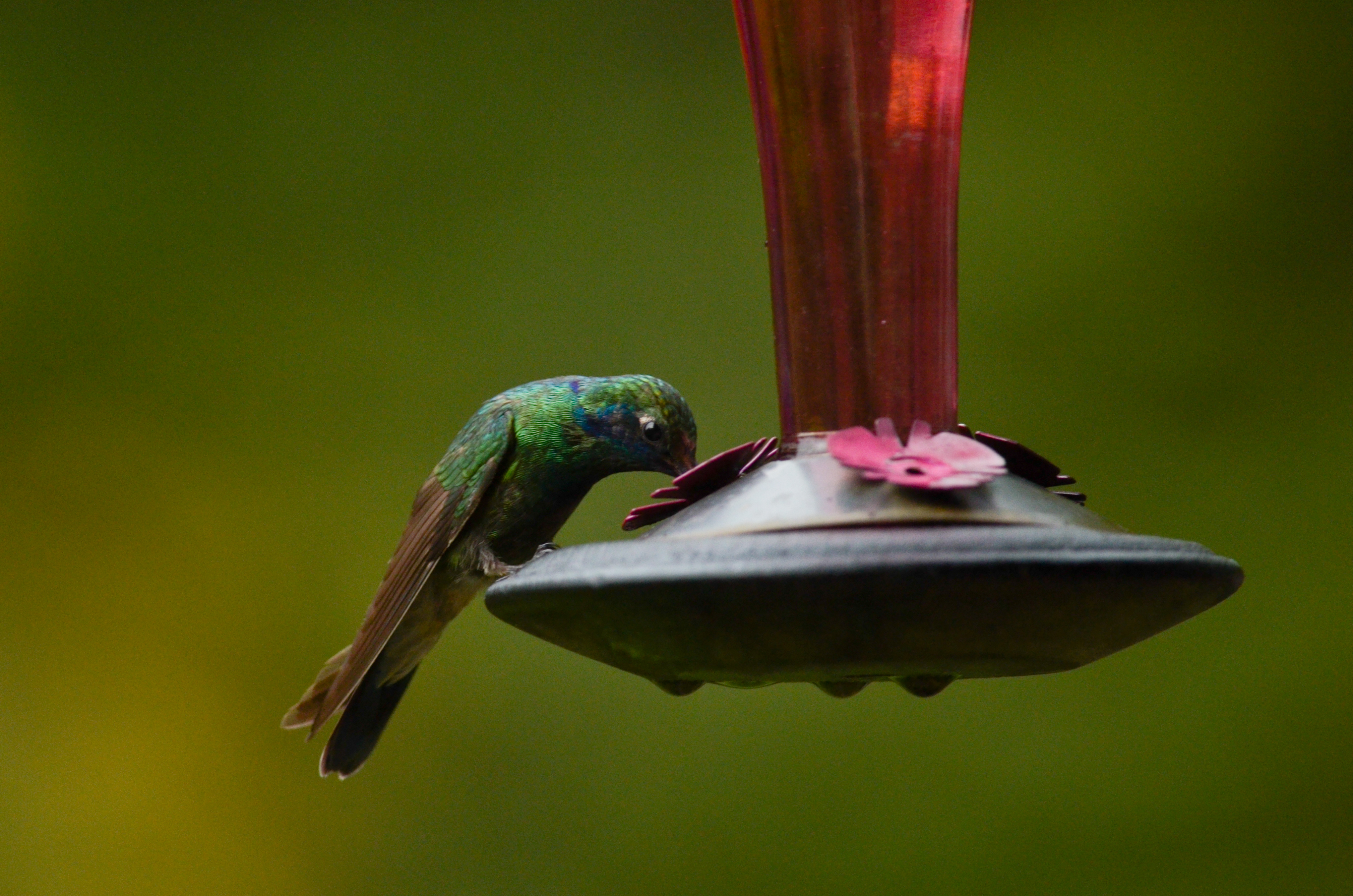
| Behaviors Observed | Most notably, the violetear was repeatedly dive-bombed by a Ruby-throated Hummingbird, and vocalized often during these interactions. The violetear seemed to have a ‘favorite’ perch in a nearby lilac bush, and would zip back and forth from this perch to the hummingbird feeder on the side porch of the house every 10-15 minutes or so. Feeding visits would be quick, 5-10 sec. |
| Description of Vocalizations | Recorded. Quick, dry, staccato chips, usually 2-4 notes. |
| Verbal Narrative & Description of Observation | First noticed by Vicki S. at her home hummingbird feeder on 9/18/21, first reported to Vermont eBird by Vicki on 9/22/21 at 7:14am. Due to some original confusion about the location, it took next-level detective work by Jenn Megyesi to track down the actual location of this bird. Jenn reached out to Vicki and received permission for a small group of 3 birders (herself, myself, and Kevin T.) to come see the bird on the morning of 9/23/21. Vicki was extremely kind and welcoming, and understandably did not want hordes of birders descending on her quiet, small backroad. We arrived ~6:30am and waited on the side porch for no more than 15 minutes before the hummingbird made its first appearance. Favoring a nearby lilac bush, the bird would routinely perch in the open on the lilac, and was occasionally dive-bombed by a Ruby-throated Hummingbird. The bird would visit the single hummingbird feeder around every 10-15 minutes, and would even come to the feeder when Vicki was standing motionless less than an arm’s length away! |
| Relative Size & Shape | Seen briefly in comparison with a RTHU. The violetear was noticeably larger and longer-winged, with a distinctly downcurved bill. |
| Head | Iridescent green forehead, nape, crown, and throat. Iridescent violet auriculars and chin. Small white spot behind eye. |
| Feet & Bill | Both black, no thick feathering around feet. Bill downcurved. |
| Upper Back | Iridescent green |
| Lower Back & Rump | Iridescent green |
| Wings | Nearly reaching tail tip when perched. Iridescent green coverts, primaries brownish. |
| Breast, Belly, Flanks, Under Tail Coverts | Iridescent violet-colored breast band, iridescent green upper breast and flanks, buffy undertail coverts. |
| Tail | Blue above and below with black subterminal band. |
| IMPORTANT: What similar species were eliminated when making the identification and how was this bird different? | The following species were ruled out based on the following criteria: |
| Other Notes & Comments | ould not determine age nor sex. Extremely grateful to Vicki S. for spotting and originally photographing the bird, and for inviting us to her property, and to Jenn Megyesi for successfully tracking down and reaching out to Vicki after some original confusion in regards to the location of this sighting. |
| This report was written from notes taken: | Immediately After |

Vermont Atlas of Life Partners