| Common Name | Trumpeter Swan |
|---|---|
| Scientific Name | Cygnus buccinator |
| Type of Report | Rare Species |
| Date of Observation | 04/26/2021 |
| Media | |
| Number Observed | 1 |
| Reporting Observer's Name | Charlotte Bill |
| Mailing Address | 3407 Longley Bridge Road Enosburg Falls, VT - Vermont 05450 United States Map It |
| Email hidden; Javascript is required. | |
| Date Completed | 05/08/2021 |
| Names & Emails of Other Contributing Observers | Hal Bill |
| Latitude of Observation (enter 0 if unable to provide) | 44.795 |
| Longitude of Observation (enter 0 if unable to provide) | -72.996 |
| Place Name | Fairfield Swamp WMA |
| Township | Fairfield |
| County | Franklin |
| Vermont eBird Checklist URL | ebird.org |
| Time of Day | 03:55 PM |
| Length of Time Observed | 26 minutes |
| Maximum Estimated Distance from Bird (in feet) | 700 to 800 |
| Minimum Estimated Distance from Bird (in feet) | 100 |
| Noteworthy Weather Conditions | Overcast; windy; no precipitation; otherwise, seasonal temperature, etc., for late April in northern Vermont |
| Optical Equipment Used for Observation | Eagle Optics Ranger Platinum Class 8 x 42 binoculars (Charlotte) |
| Observer’s Previous Acquaintance With This or Similar Species | *I completed, with certificate, the Cornell Bird Academy’s “Duck and Waterfowl Identification” online course taught by Dr. Kevin McGowan. There was a full lesson on swan ID, with a focus on differences between the eye position in relationship to the black face mask of Tundra and Trumpeter Swans, as well as differences in bill color and/or bill shape of Tundra, Trumpeter, and Mute Swans. |
| I certify that any attachments included with this report were captured during this observation event. | |
| Description of Habitat | shallow, open water directly adjacent to and north of Route 36 (with a channel that narrows substantially and extends northwards). The open water is ringed by cattails and other vegetation. |
| Behaviors Observed | *swimming |
| Description of Vocalizations | no vocalization heard |
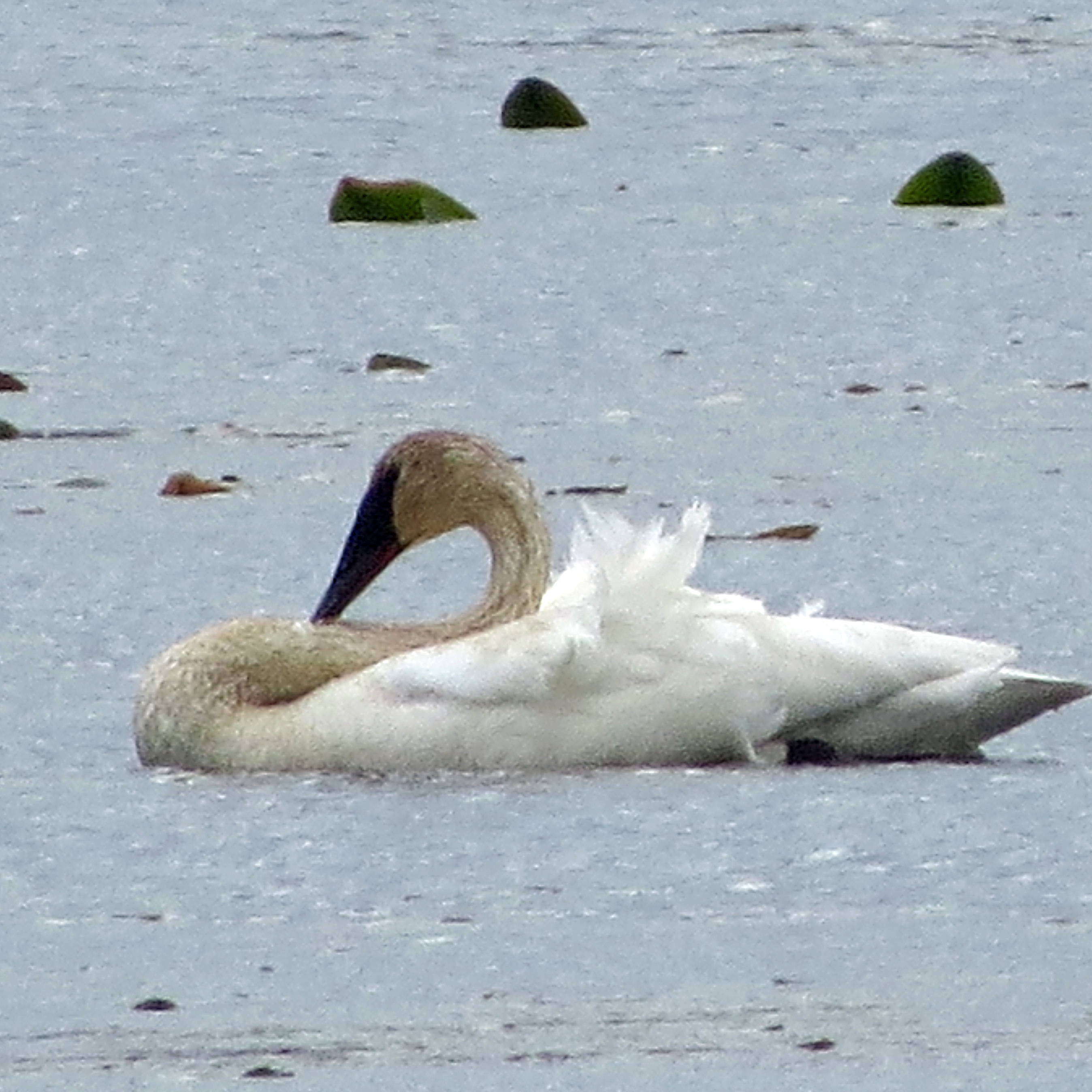
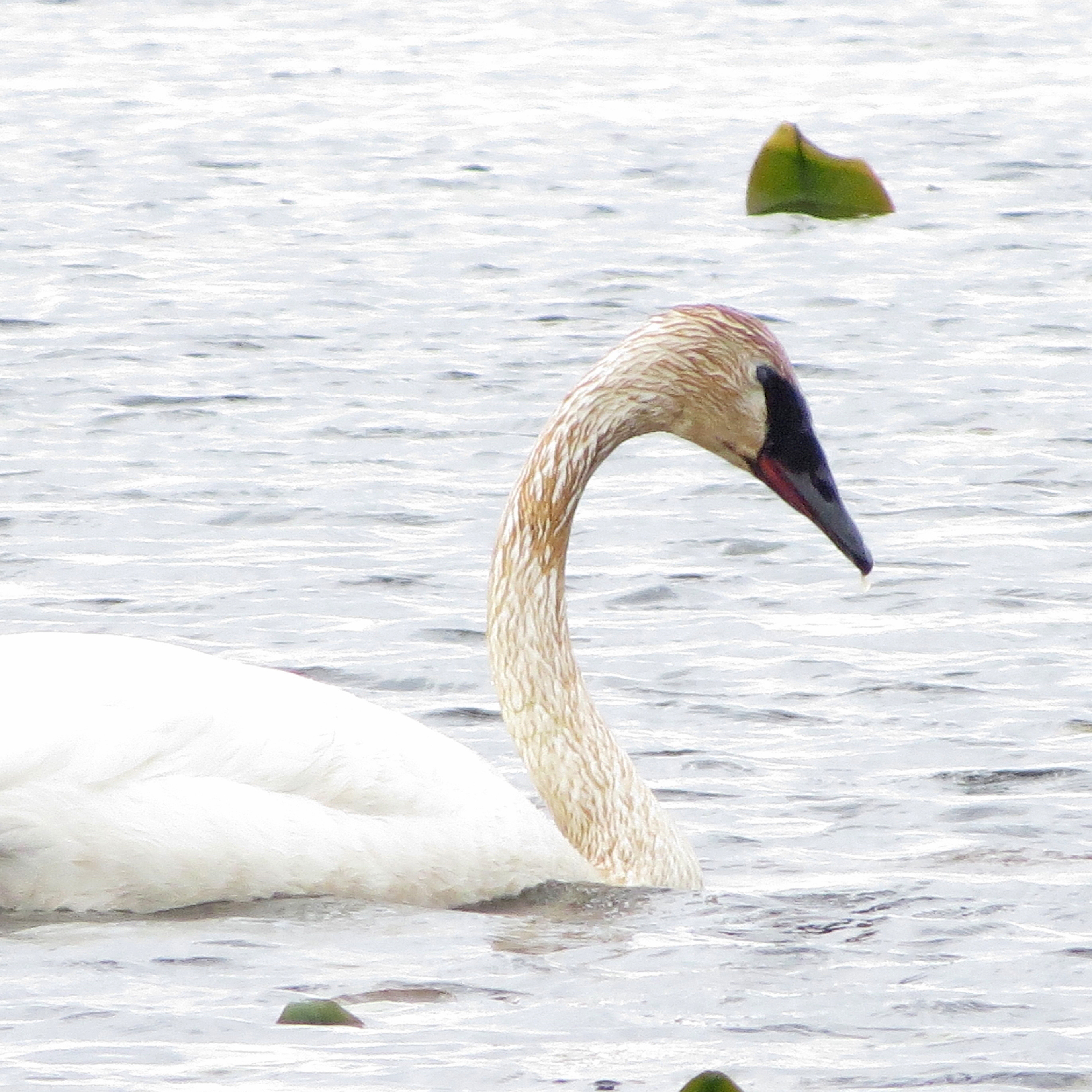
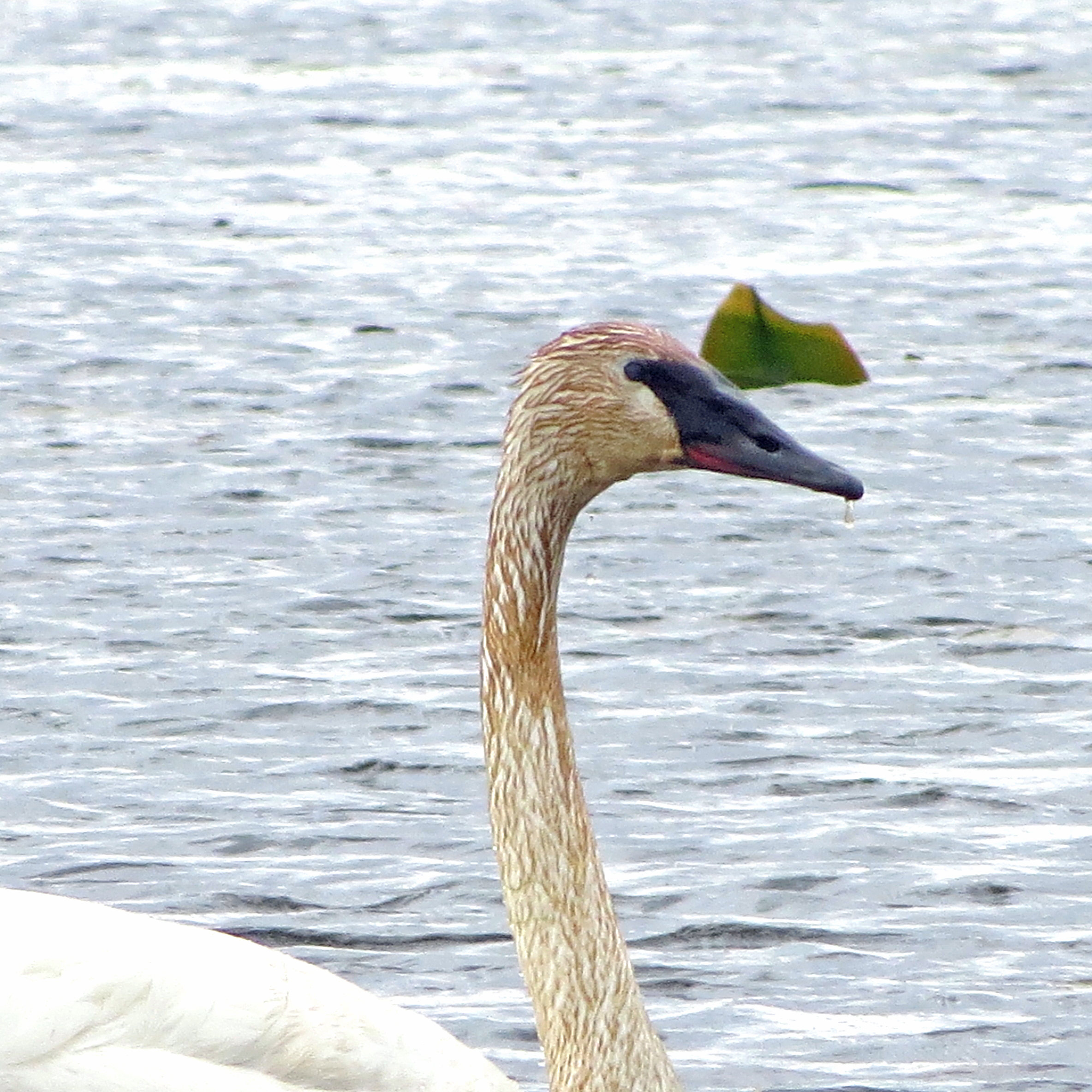
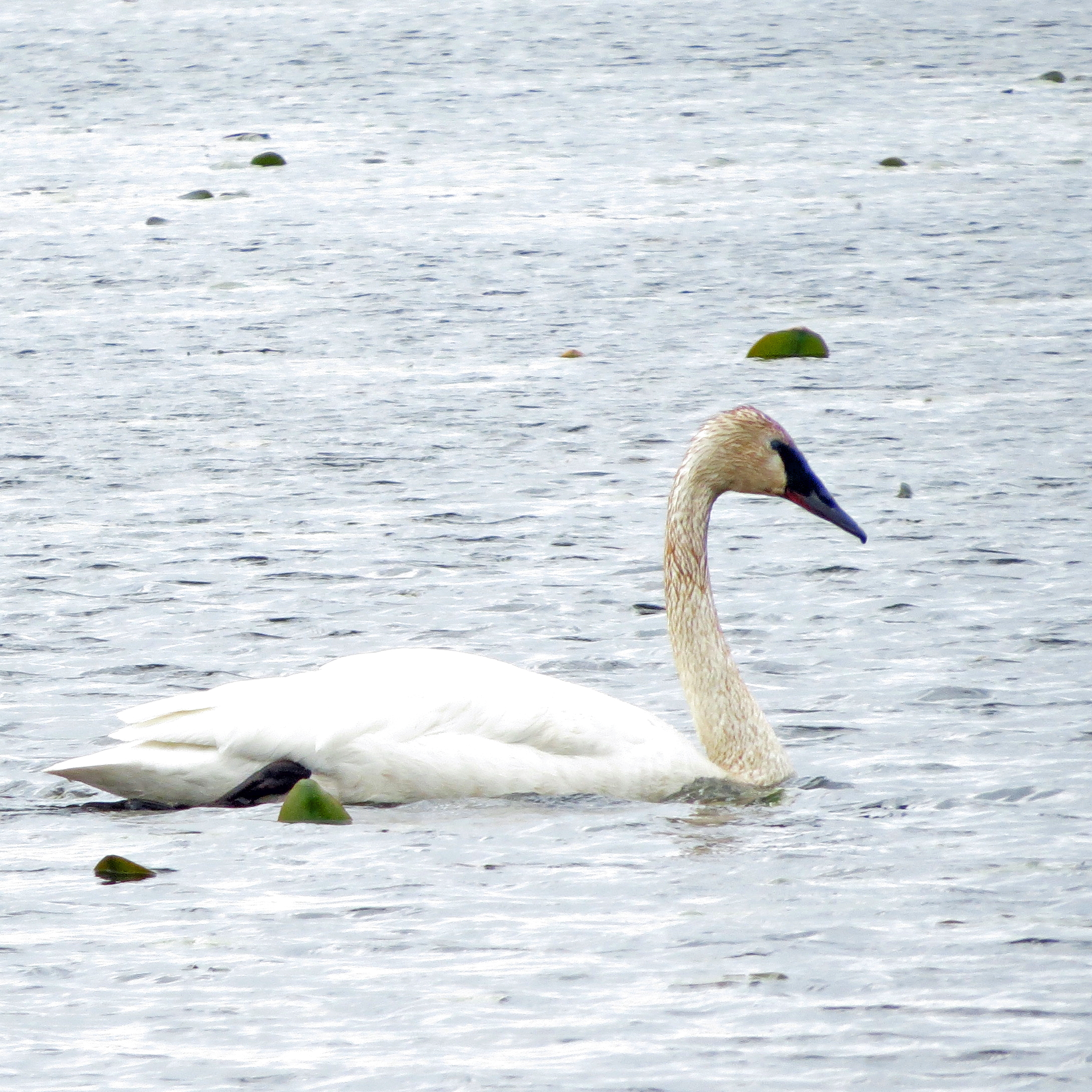
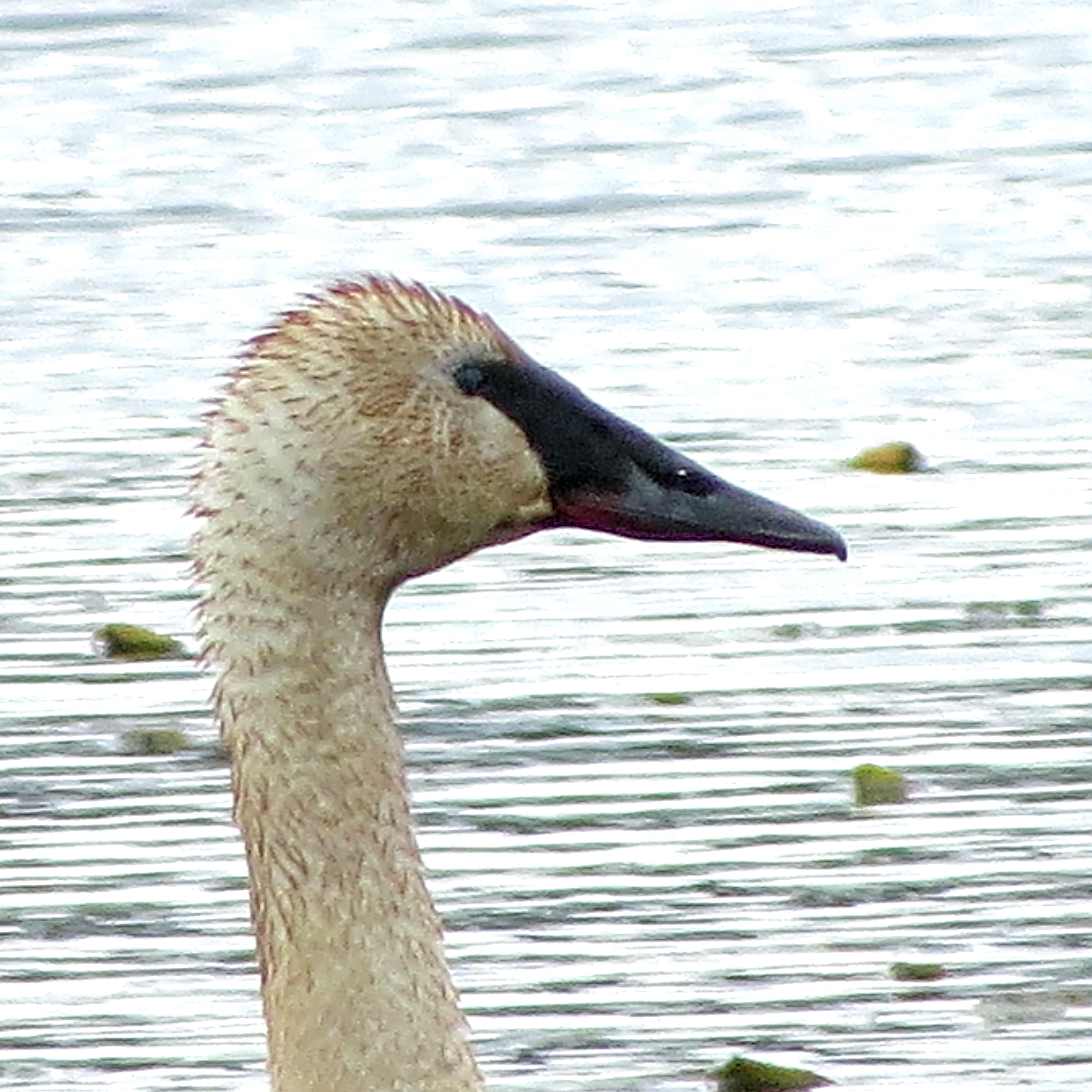
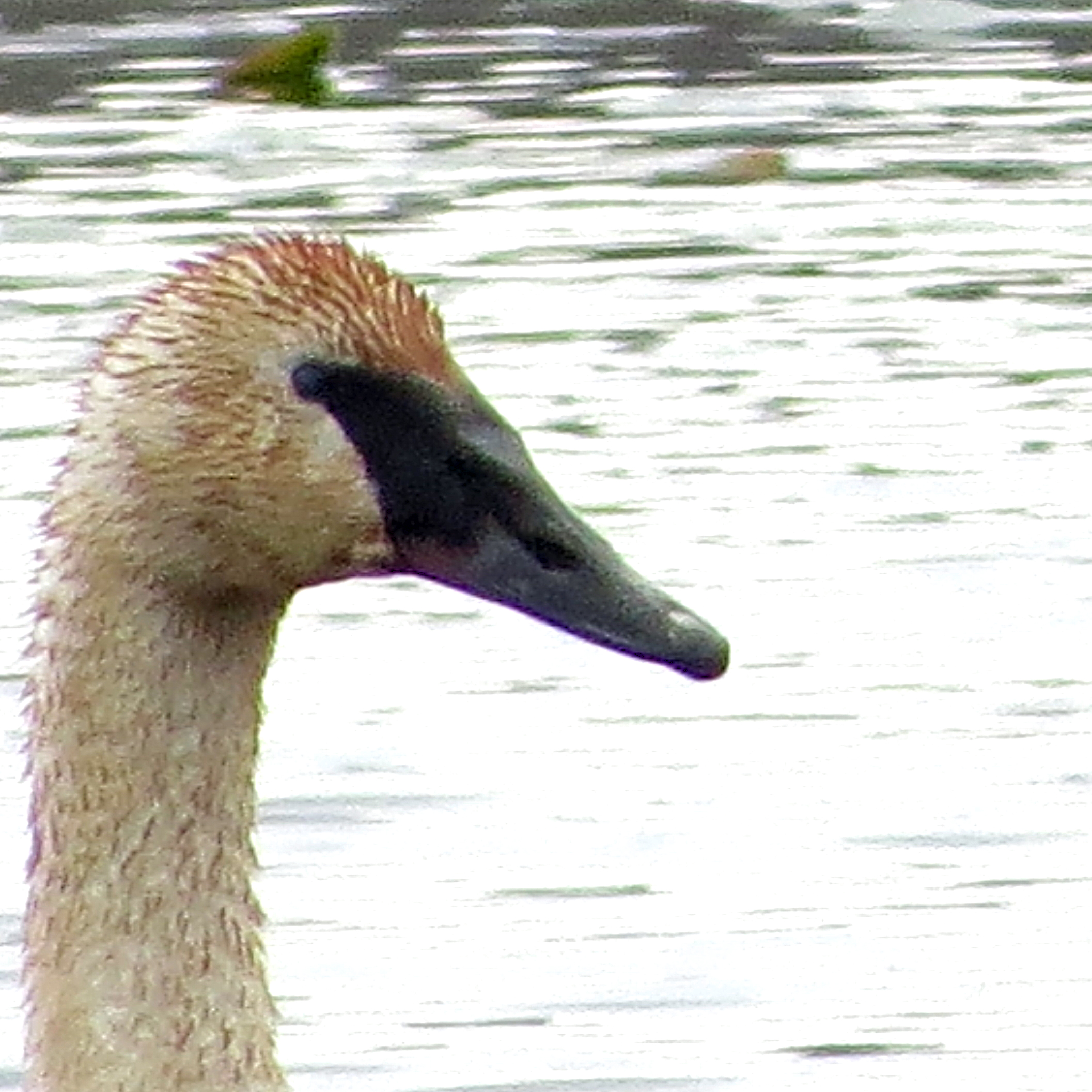
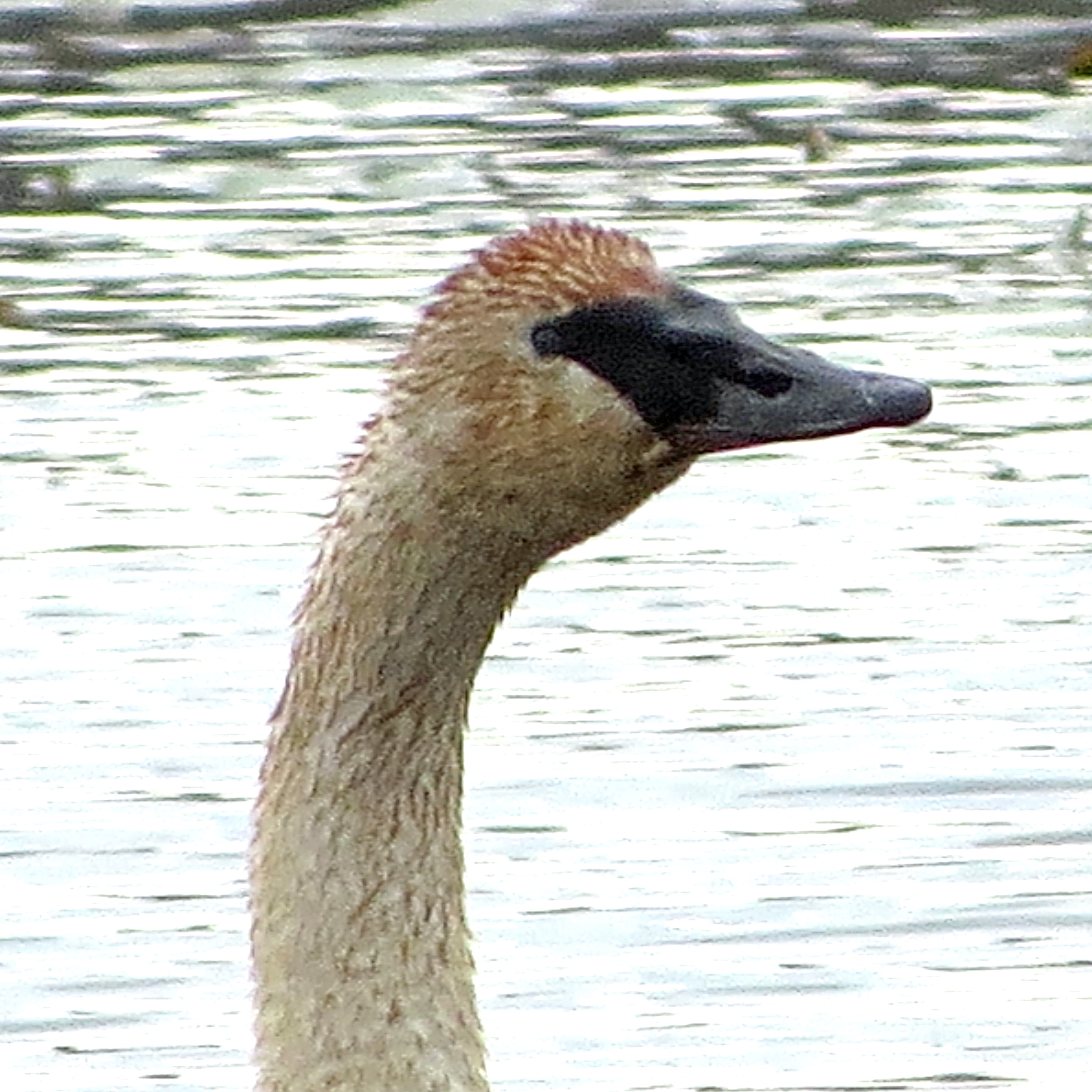
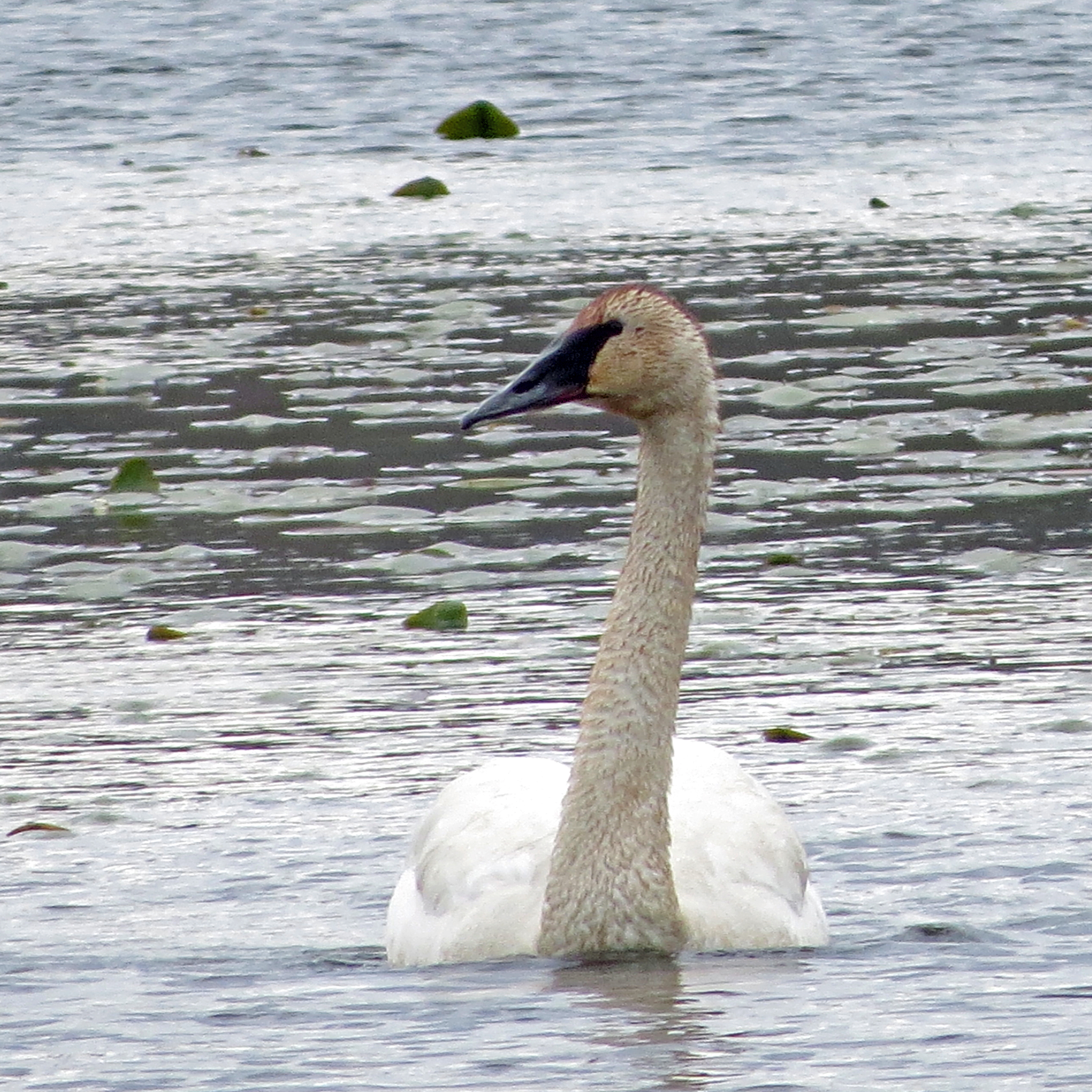
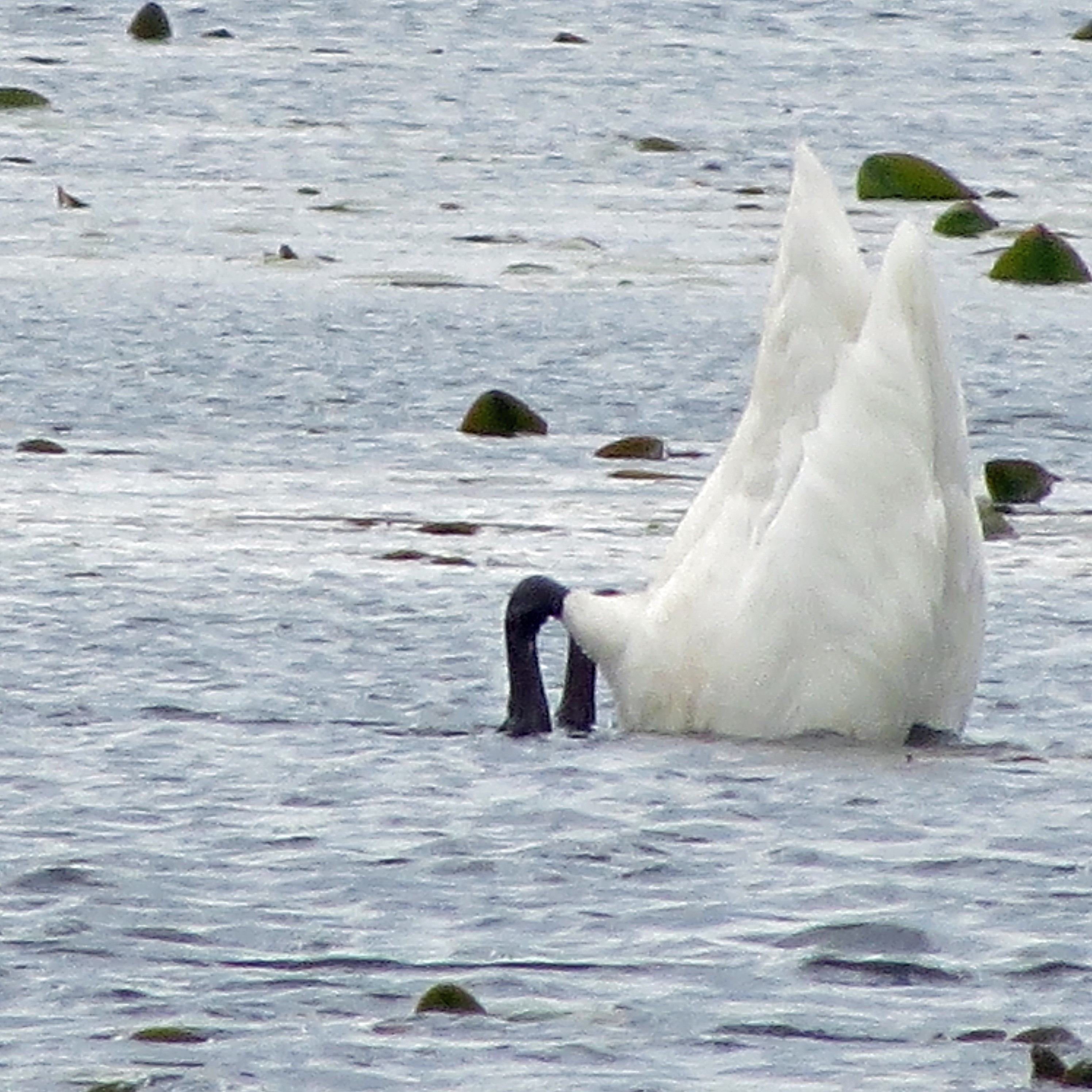
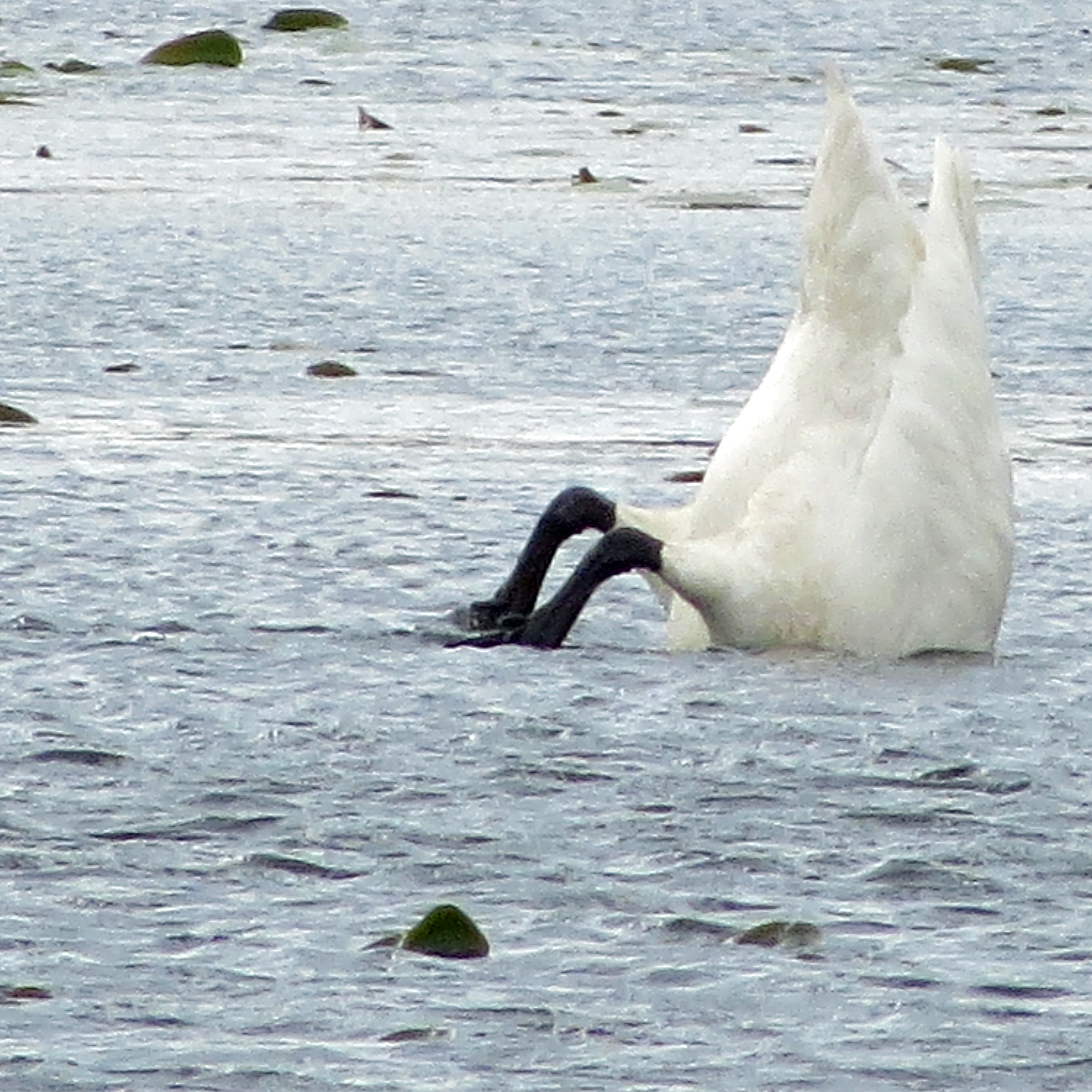
| Verbal Narrative & Description of Observation | As we drove past the WMA at 2:25 p.m. on our way to my ophthalmological appointment, I noticed a swan in the water, but we couldn't stop. However, it was still there at 3:55 when we drove back through, so we pulled into the WMA parking area to observe the swan, easily visible from there. My pupils were thoroughly dilated from the eye exam, so I had to wear my sunglasses as I looked through my binoculars, but I got a good enough look to note key features of bill and eye. See photos showing two key ID features noted in field: |
| Relative Size & Shape | (see photos) |
| Head | (see photos) |
| Feet & Bill | (see photos) |
| Upper Back | (see photos) |
| Lower Back & Rump | (see photos) |
| Wings | (see photos) |
| Breast, Belly, Flanks, Under Tail Coverts | (see photos) |
| Tail | (see photos) |
| IMPORTANT: What similar species were eliminated when making the identification and how was this bird different? | Ruled out Tundra Swan and Mute Swan |
| Other Notes & Comments | Adult bird NB: I’m submitting this report because Ian Worley asked me to, even though there are already at least 10 previously accepted reports of this species in Vermont. However, I believe this is the first sighting of Trumpeter Swan at the Fairfield Swamp Wildlife Management Area, which drew Franklin County’s first nesting Sandhill Cranes and continues to harbor SACR, illustrating well the value of habitat protection! |
| This report was written from notes taken: | Immediately After |

Vermont Atlas of Life Partners