| Common Name | Gray-cheeked Thrush |
|---|---|
| Scientific Name | Catharus minimus |
| Type of Report | Rare Species |
| Date of Observation | 08/31/2020 |
| Media | |
| Number Observed | 1 |
| Reporting Observer's Name | Michael Blust |
| Mailing Address | 271 York St. Poultney, VT 05764 United States Map It |
| Email hidden; Javascript is required. | |
| Date Completed | 04/30/2021 |
| Latitude of Observation (enter 0 if unable to provide) | 43.5113450 N |
| Longitude of Observation (enter 0 if unable to provide) | 73.2371400 W |
| Place Name | Poultney D&H rail trail South |
| Township | Poultney |
| County | Rutland |
| Vermont eBird Checklist URL | ebird.org |
| Time of Day | 08:24 AM |
| Length of Time Observed | Approximately 2 minutes |
| Maximum Estimated Distance from Bird (in feet) | 75 feet |
| Minimum Estimated Distance from Bird (in feet) | 25 feet |
| Noteworthy Weather Conditions | Clear, sunny |
| Optical Equipment Used for Observation | Binoculars: Bausch & Lomb Elite 10x42 |
| Observer’s Previous Acquaintance With This or Similar Species | Quite familiar with the common thrushes (Wood, Veery, Hermit), occasional experience with Swainson's, and one or two encounters with Gray-cheek and Bicknell's. |
| I certify that any attachments included with this report were captured during this observation event. | |
| Description of Habitat | Rail-trail bordered by deciduous woods, shrubs, with open fields beyond. Low elevation (roughly 400 feet). Migrating songbirds including Canada Warbler, Wilson's Warbler, lots of Rose-breasted Grosbeaks. See eBird Checklist. |
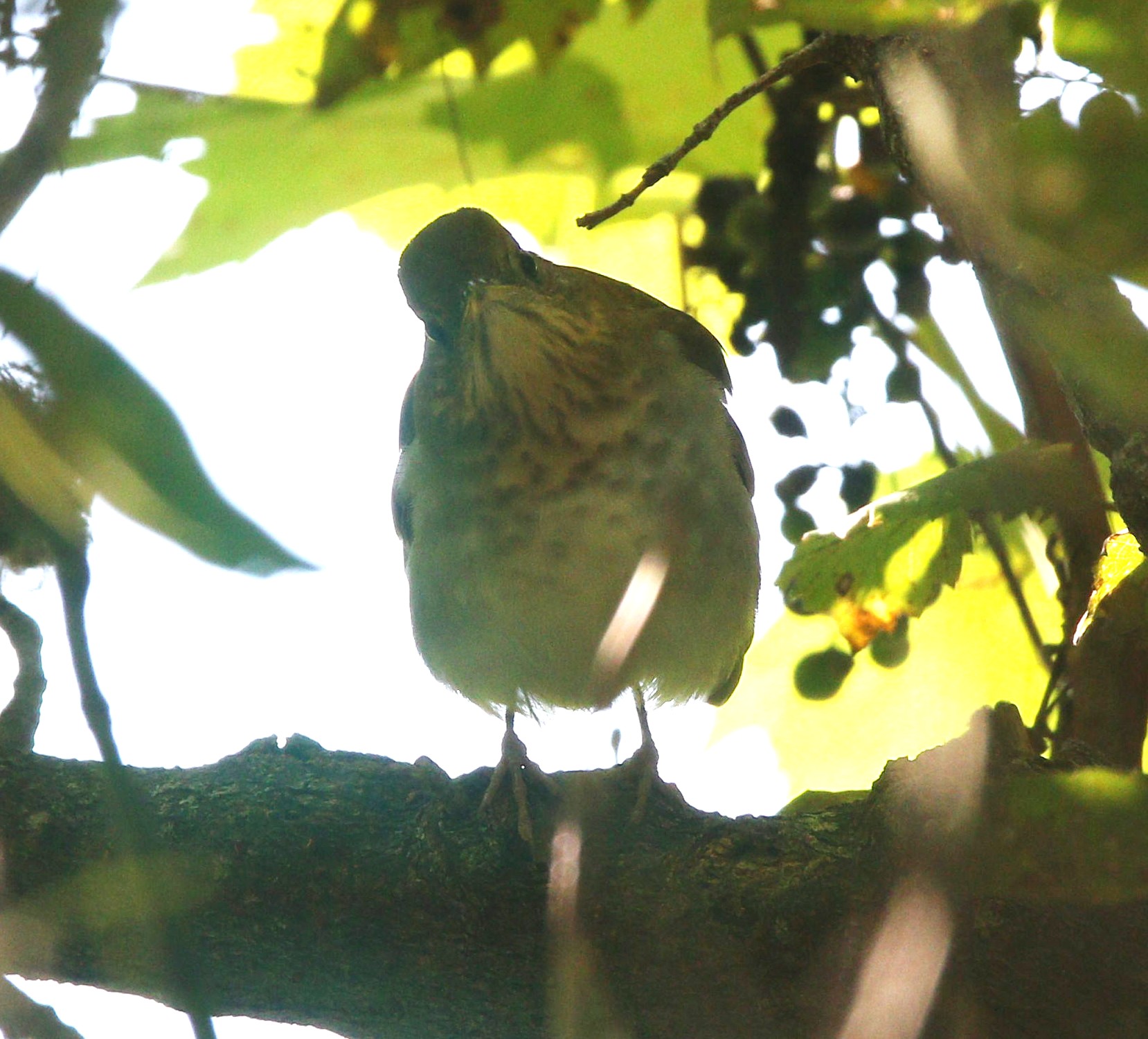
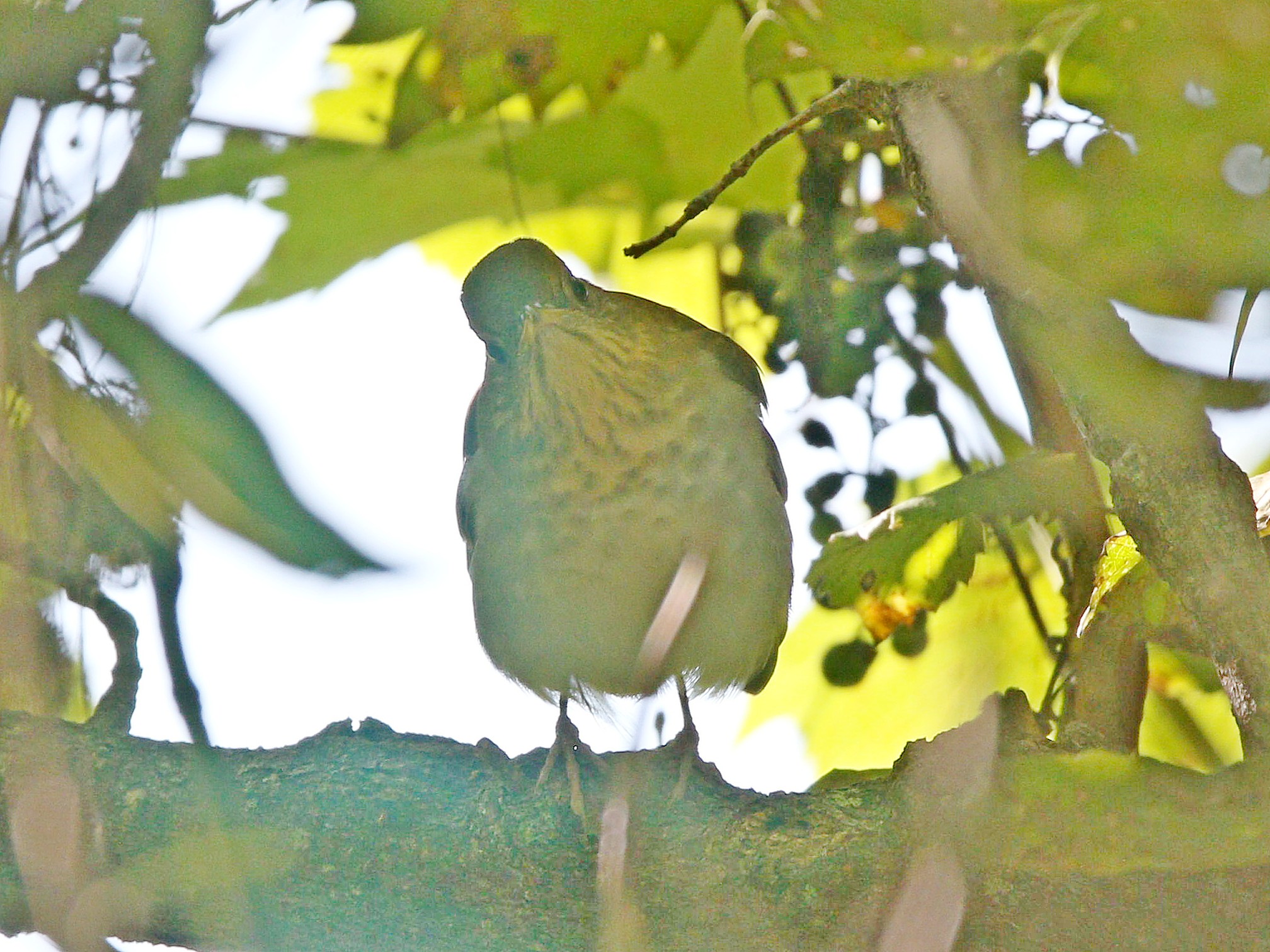
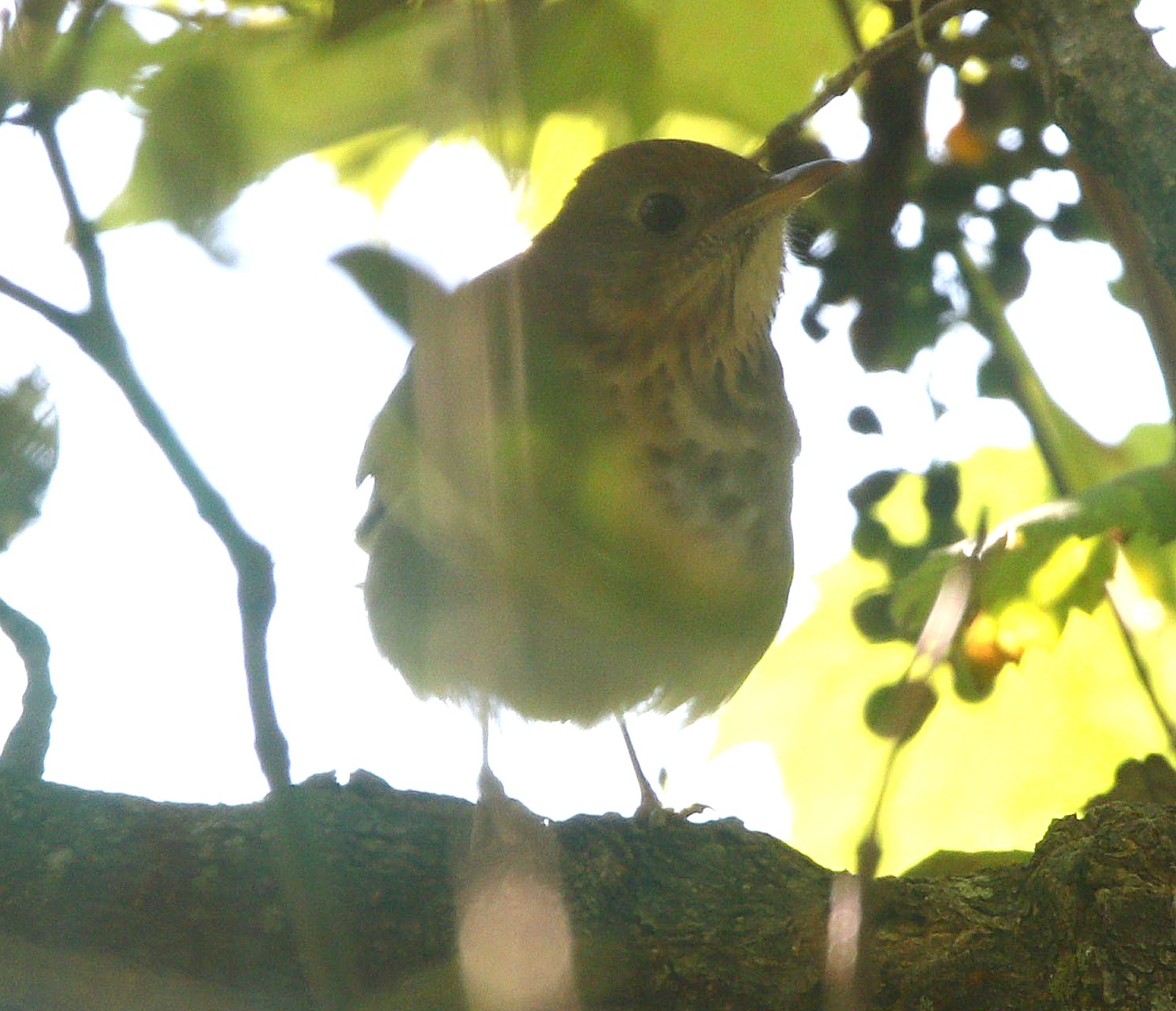
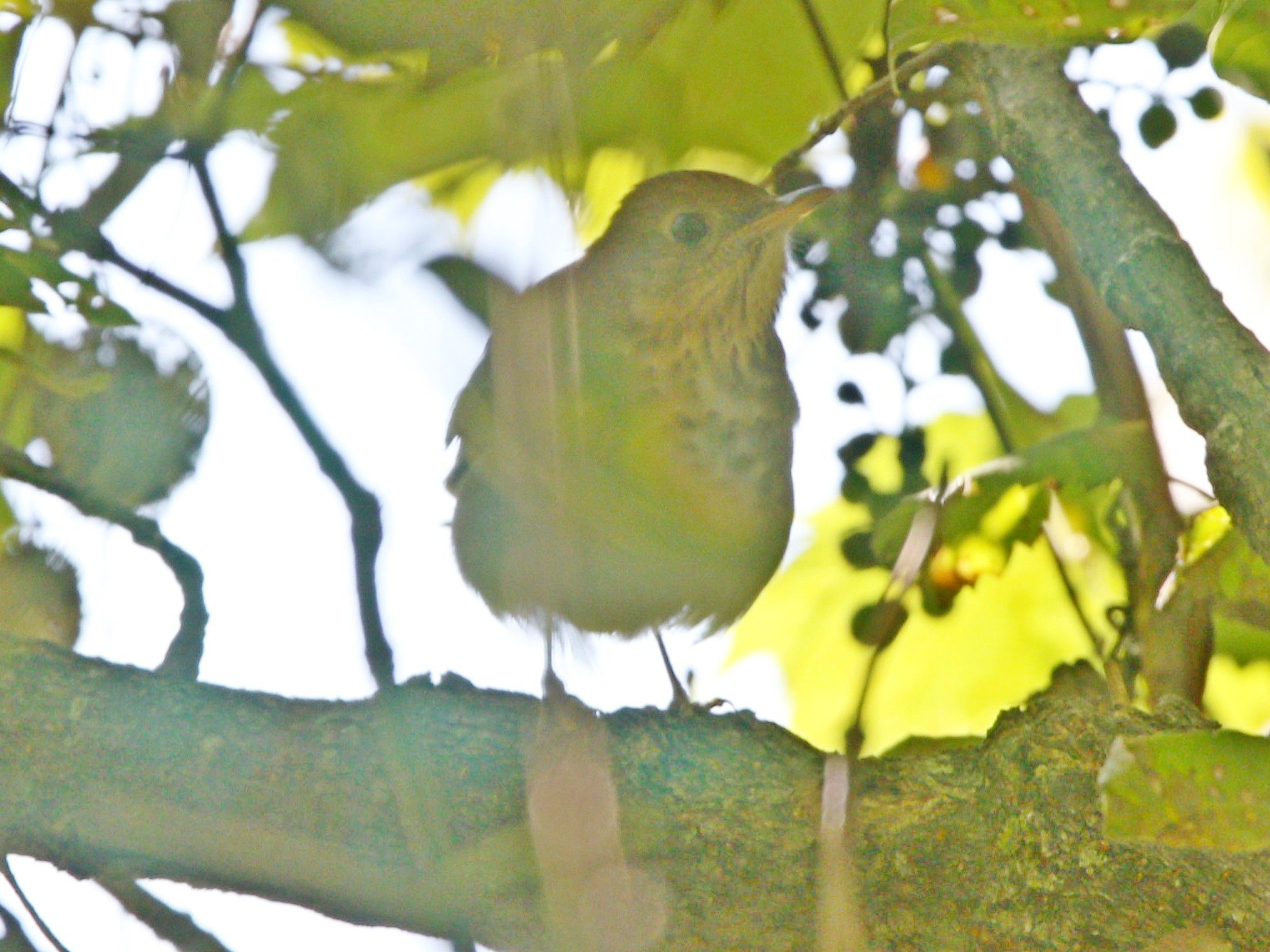
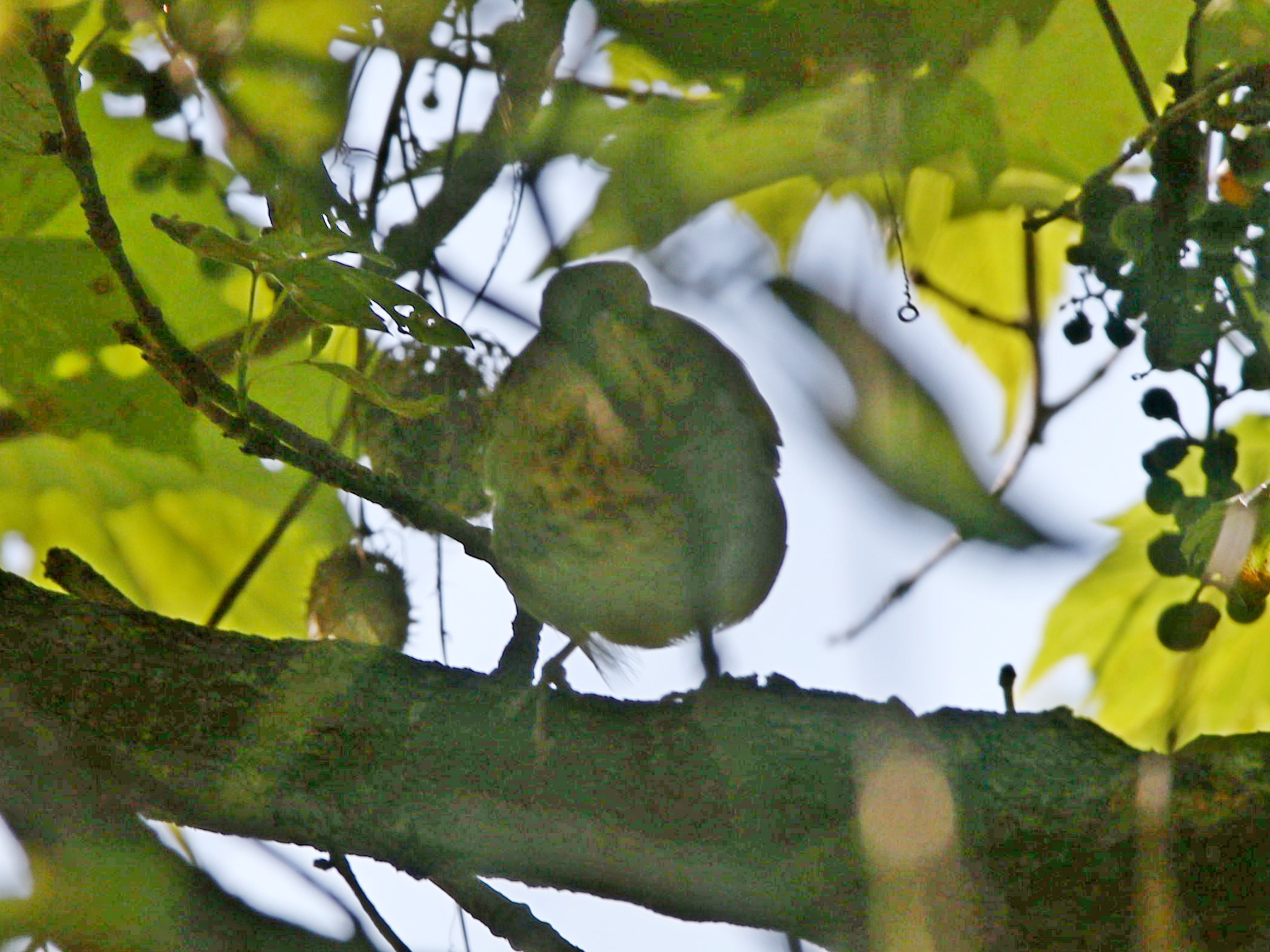
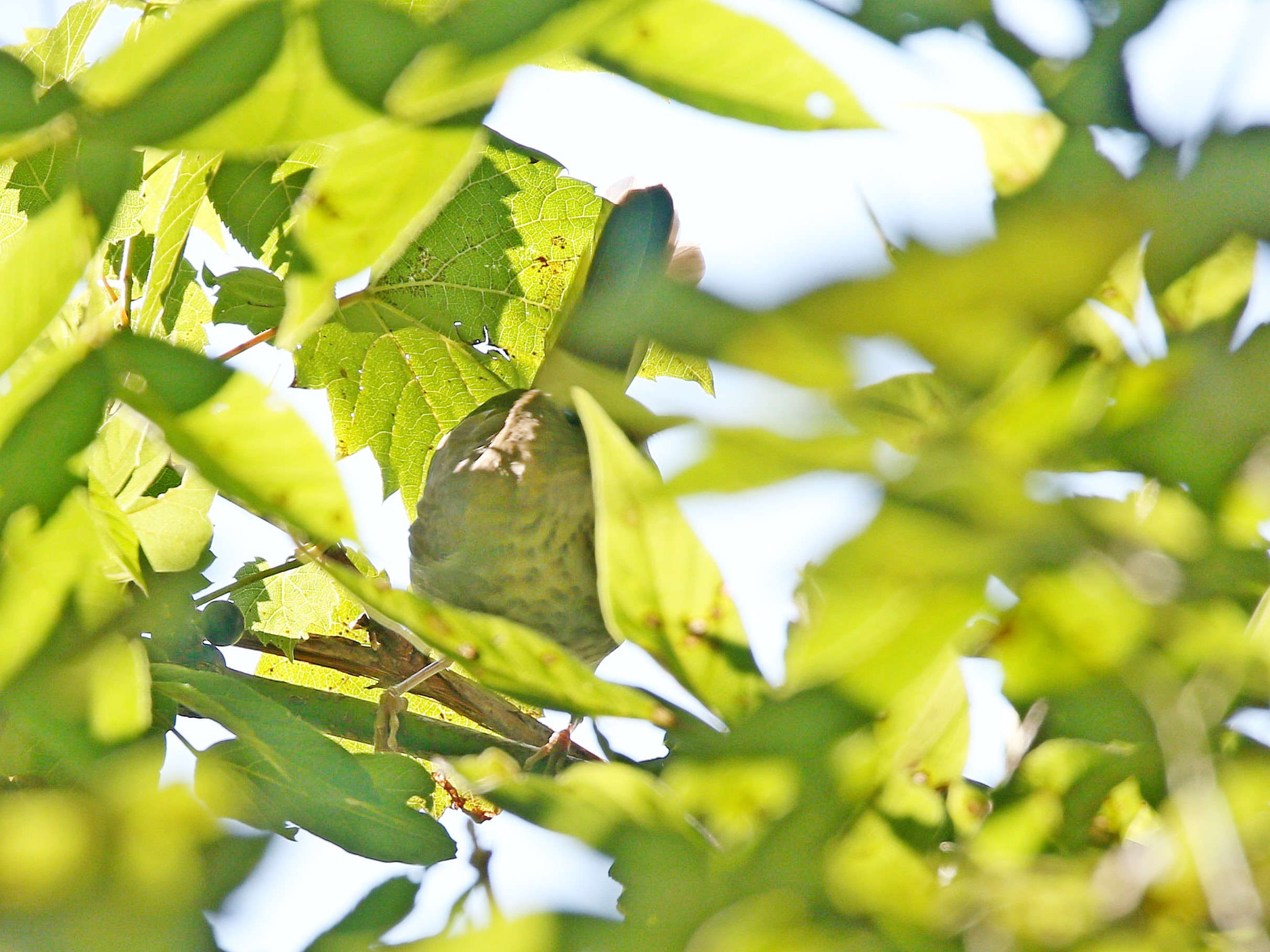
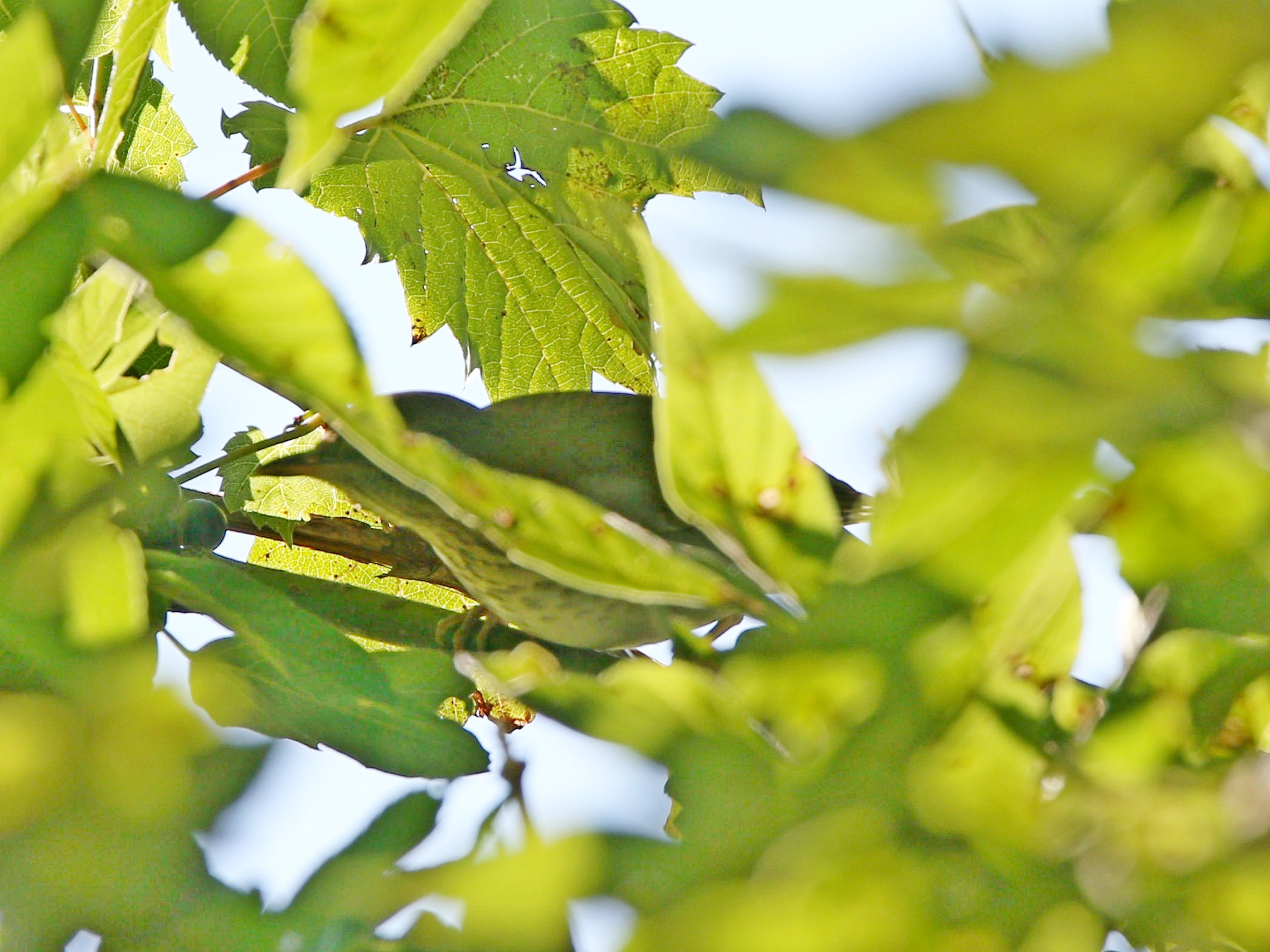
| Behaviors Observed | Stayed in shadows and/or obscured by vegetation much of the time. When more exposed, it did not stay so for very long. Thus the photos were dark and needed substantial lightening on-screen. |
| Description of Vocalizations | None heard. |
| Verbal Narrative & Description of Observation | It was an active morning in the field with a good amount of diversity and opportunities for photos. When the thrush was spotted, it immediately struck me as being "different" from the thrushes I usually encounter in the area. The primary difference being the dull coloration of the plumage in general. Because of the shadowing of the vegetation, the color of the bird is somewhat hard to judge in the photos. Another point that struck me was the pattern of spotting on the underside which seemed more extensive and bolder than a veery. The eye did not seem to have a distinct ring, and the photos confirm this, eliminating Swainson's thrush from my top consideration. My very limited experience with Bicknell's leads me to focus on the bill color/pattern, which I judge to be closer to the amount of yellow expected for a gray-cheek rather than a Bicknell, but I welcome other's expertise and input. |
| Relative Size & Shape | Thush sized (obviously) but I do not recall being impressed by it being particularly large or small for a thrush. |
| Head | See photos. |
| Feet & Bill | See photos. |
| Upper Back | Only thing I can really say here other than what is visible in the photos, is to reiterate that the bird stood out to me as being an "other" thrush - no impression of rust color. |
| Lower Back & Rump | See photos. |
| Wings | See photos. |
| Breast, Belly, Flanks, Under Tail Coverts | See photos. |
| Tail | See photos. |
| IMPORTANT: What similar species were eliminated when making the identification and how was this bird different? | See verbal narrative above This was originally entered as "Thrush species" with a note to review photos. It is only now, as I was organizing photos, that I looked closer at identifying the bird. |
| Other Notes & Comments | No. |
| This report was written from notes taken: | Written from Memory |


Vermont Atlas of Life Partners