| Common Name | Trumpeter Swan |
|---|---|
| Scientific Name | Cygnus buccinator |
| Type of Report | Rare Species |
| Date of Observation | 04/19/2021 |
| Media | |
| Number Observed | 2 |
| Reporting Observer's Name | Tom Hargy |
| Mailing Address | 318 OVERLAKE DR FAIRFAX, Vermont 05454-5487 United States Map It |
| Email hidden; Javascript is required. | |
| Date Completed | 04/20/2021 |
| Latitude of Observation (enter 0 if unable to provide) | 44.967600 |
| Longitude of Observation (enter 0 if unable to provide) | -73.202081 |
| Place Name | Mississquoi NWR |
| Township | Swanton |
| County | Franklin |
| Vermont eBird Checklist URL | ebird.org |
| Time of Day | 08:18 AM |
| Length of Time Observed | 25 min |
| Maximum Estimated Distance from Bird (in feet) | 550 |
| Minimum Estimated Distance from Bird (in feet) | 500 |
| Noteworthy Weather Conditions | Clear. Birds were west of me, so low sun behind me created excellent lighting. |
| Optical Equipment Used for Observation | Vortex Diamond Back 8x binocs, Vortex Razor HD 11-33X scope |
| Observer’s Previous Acquaintance With This or Similar Species | Observed this species in September 2020, Tundra Swan in November 2020, January 2021. |
| I certify that any attachments included with this report were captured during this observation event. | |
| Description of Habitat | At wood's edge in flooded field that was an emergent vegetation-like habitat. |
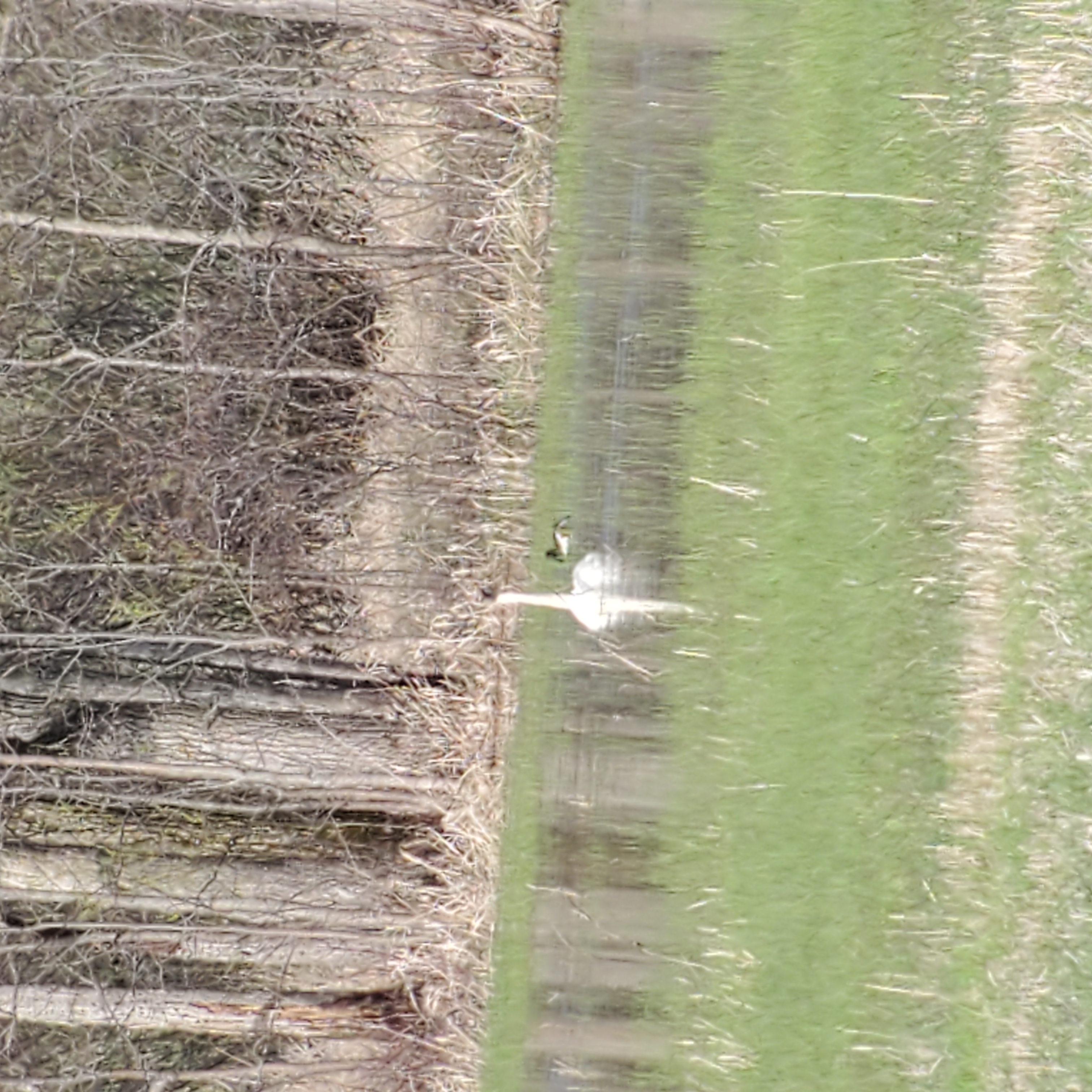
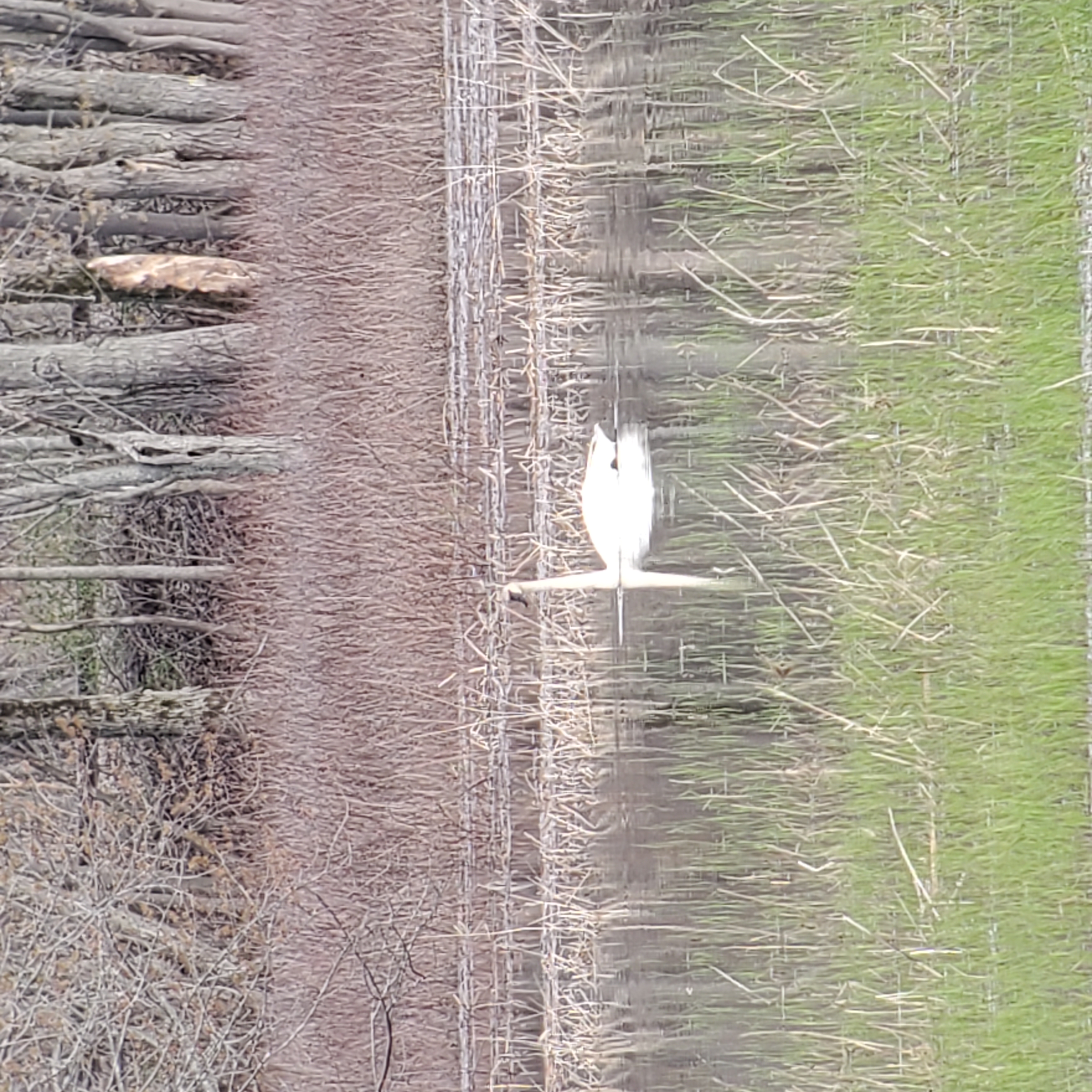
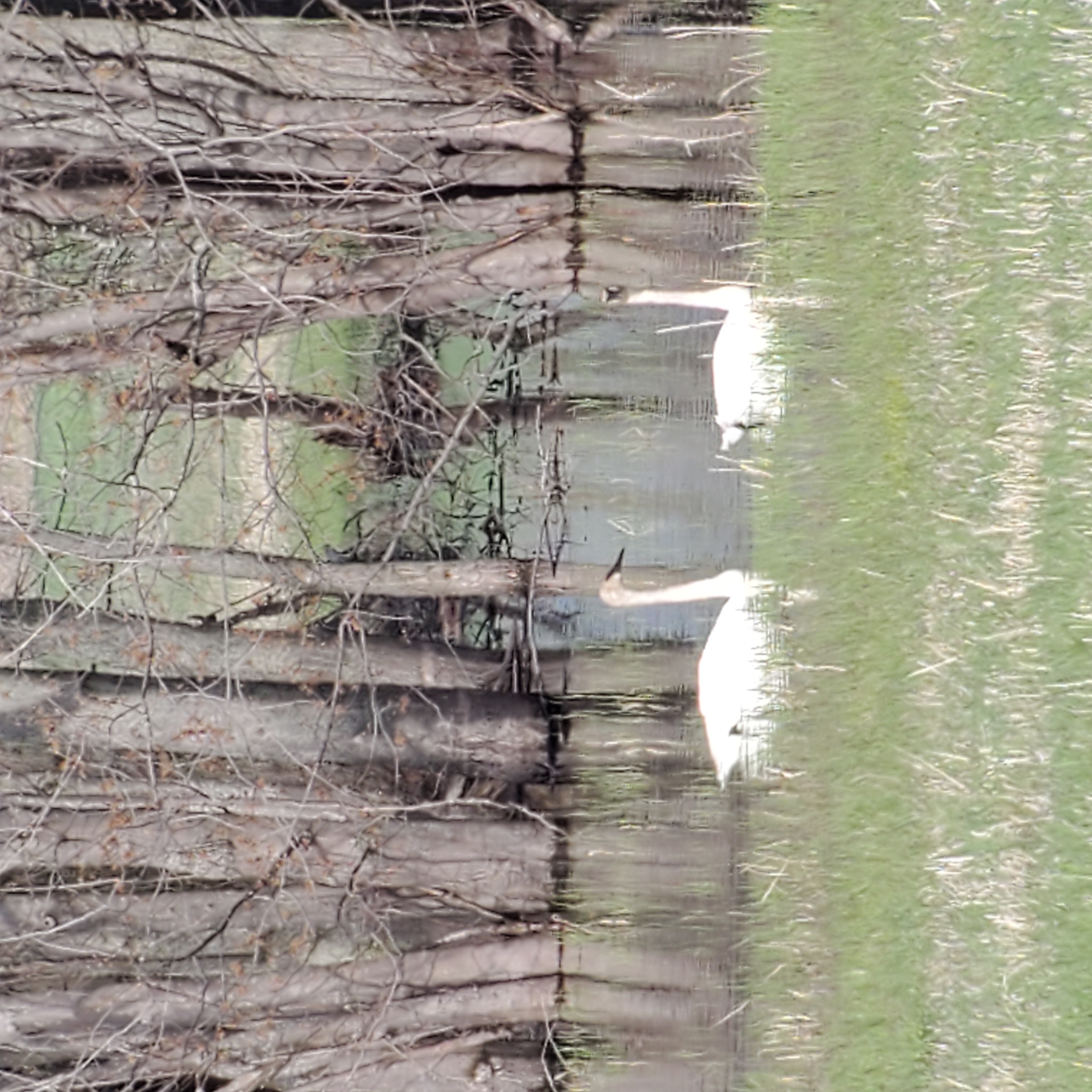
| Behaviors Observed | Pair was swimming together, occasionally dipping heads under water to feed. |
| Description of Vocalizations | Several single-syllable trumpet calls were heard over the time of observation. Deep sounding - a bit trombone-like. |
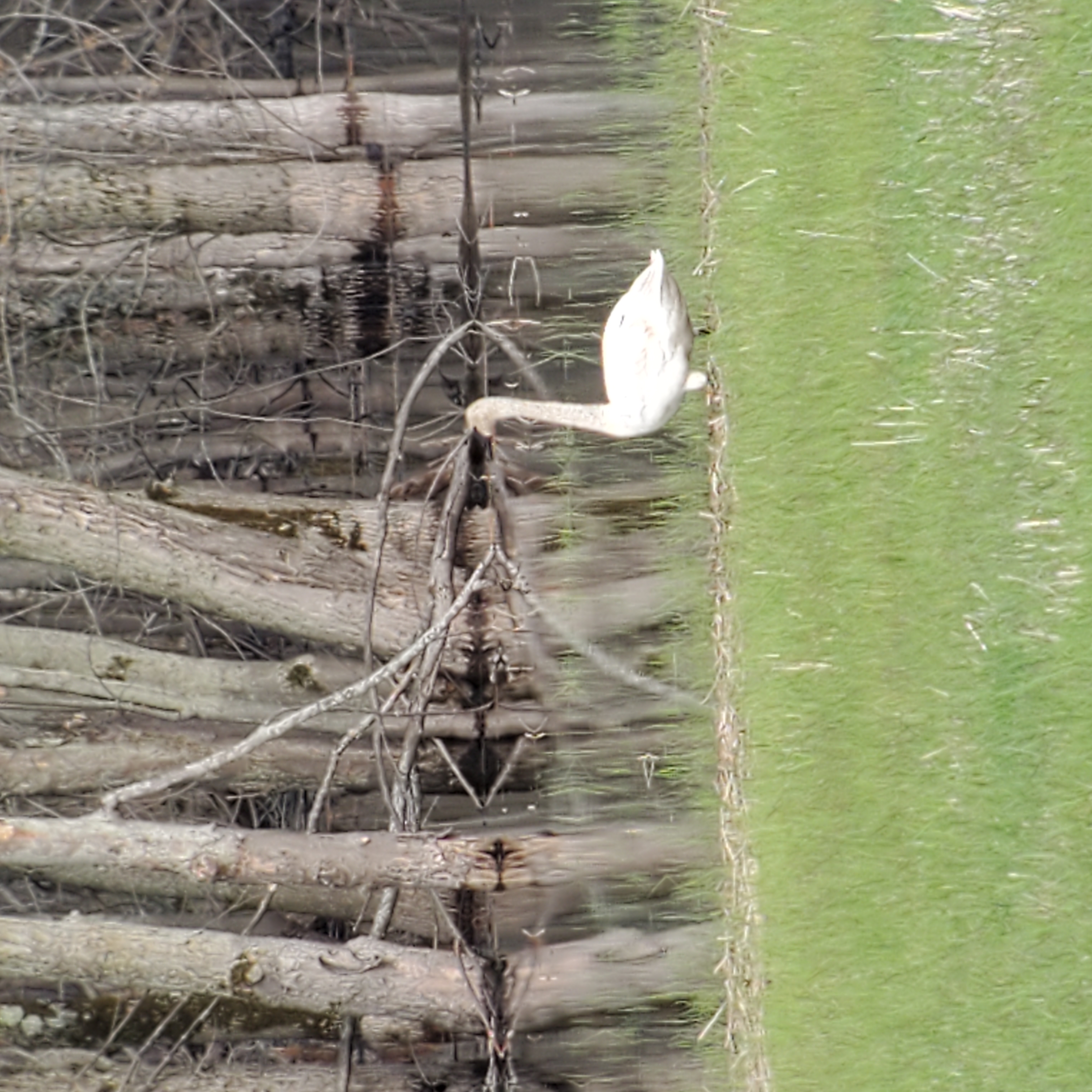
| Verbal Narrative & Description of Observation | Birds were present in the water when I first arrived, progressing from north end of field toward the south. They casually went about swimming and feeding. A few Northern Shovelers were in the vicinity. Two other birders joined me; they indicated they worked for USFWS and were familiar with the swans, and we watched for 10 minutes. They heard the vocalization that I heard, and agreed it confirmed the birds to be Trumpeters. The other birders left (and so far have not posted this sighting); eventually the swans ran on the water until taking flight to the south. When walking about in grass, they had appeared quite massive. |
| Relative Size & Shape | Very large swans. I would estimate their length, bill to tail, to be well over 4 feet. Two photos show a shoveler nearby. While observing, the swans appeared to be at least 4 times as large as the shovelers. |
| Head | Crown and cheeks had a gray smudging, and possibly a slight brownish tint. Nape and neck also had some gray. Throat was white. |
| Feet & Bill | Long, striking bill was black. Boarder with forehead was not straight across, but V shaped. No yellow was observed on bill. Feet were black. |
| Upper Back | Back was white, possibly with some sooty smudging. Strong light washes this out in photos. |
| Lower Back & Rump | White back and rump. |
| Wings | Long wings observed when the birds took flight, but did not observe any particular characteristic. |
| Breast, Belly, Flanks, Under Tail Coverts | White |
| Tail | Did not note any particular characteristic. |
| IMPORTANT: What similar species were eliminated when making the identification and how was this bird different? | Particular attention was paid to the bill, which was quite long, sharp, black, with no yellow in lores. Forehead v'd down into upper boarder of bill. The call was trumpet or maybe trombone- or french horn-like in tone. |
| Other Notes & Comments | No age or sex determination made. |
| This report was written from notes taken: | Written from Memory |



Vermont Atlas of Life Partners