| Common Name | Pacific Loon |
|---|---|
| Scientific Name | Gavia pacifica |
| Type of Report | Rare Species |
| Date of Observation | 01/18/2021 |
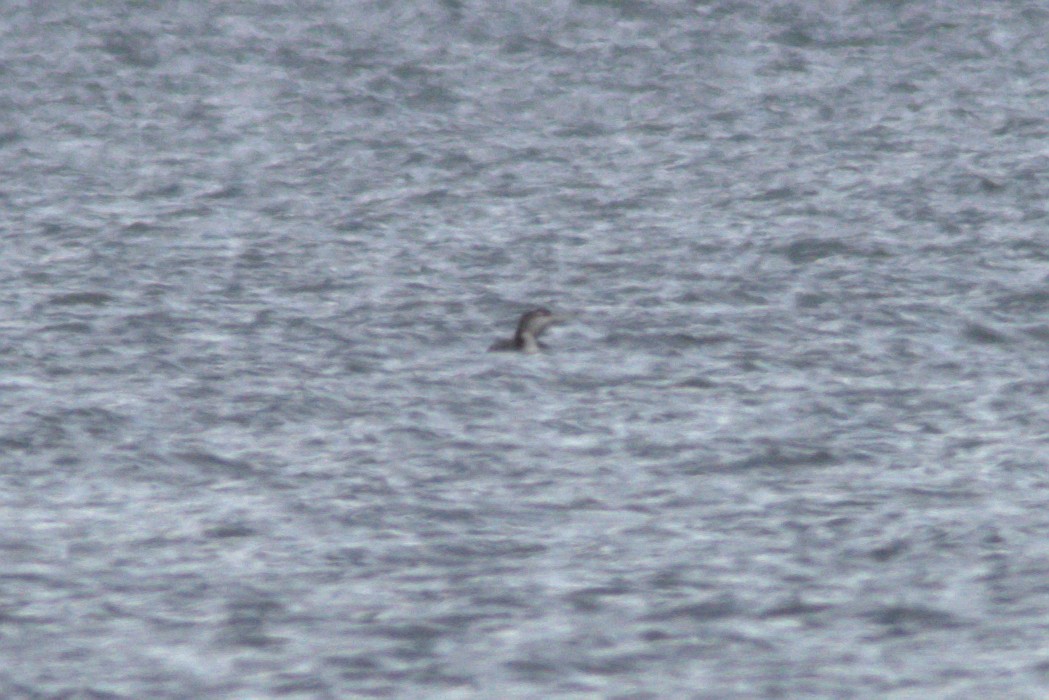
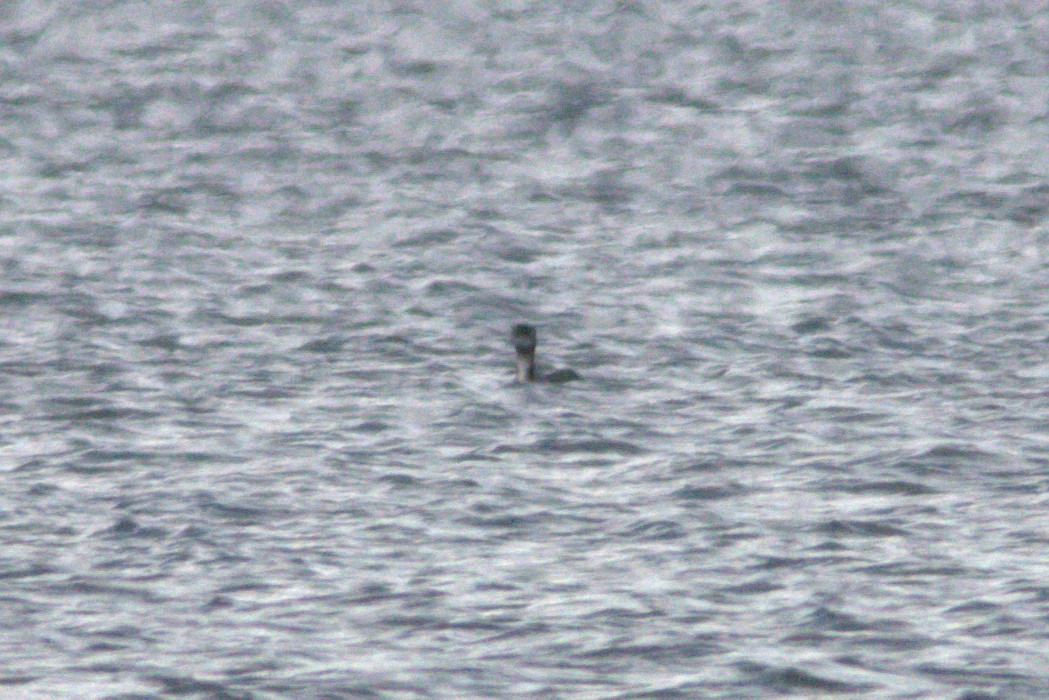
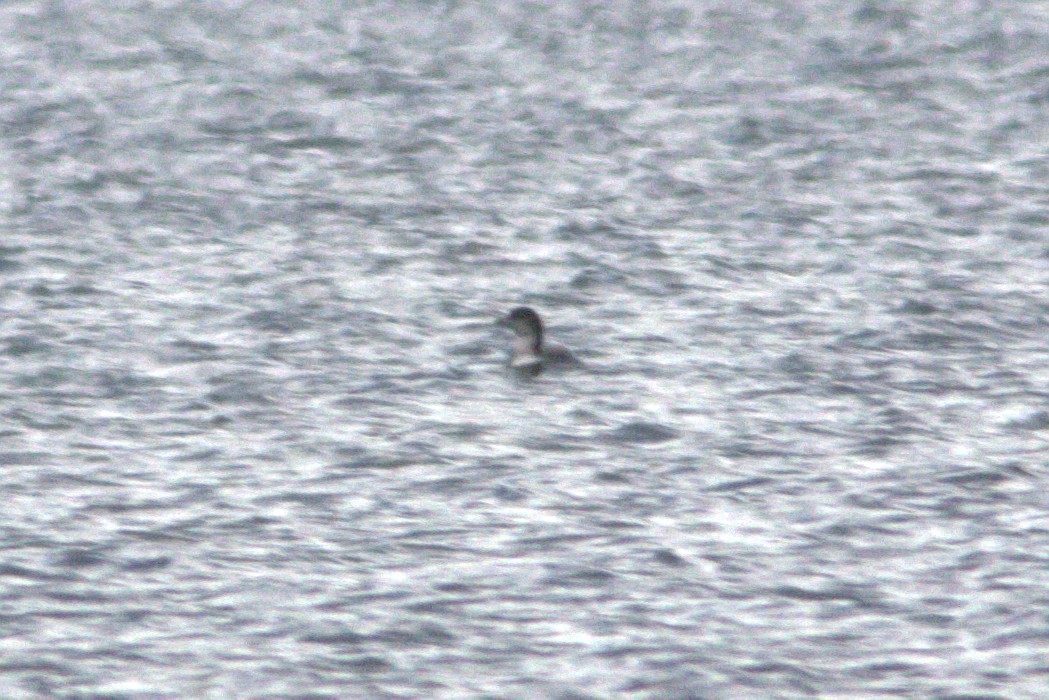
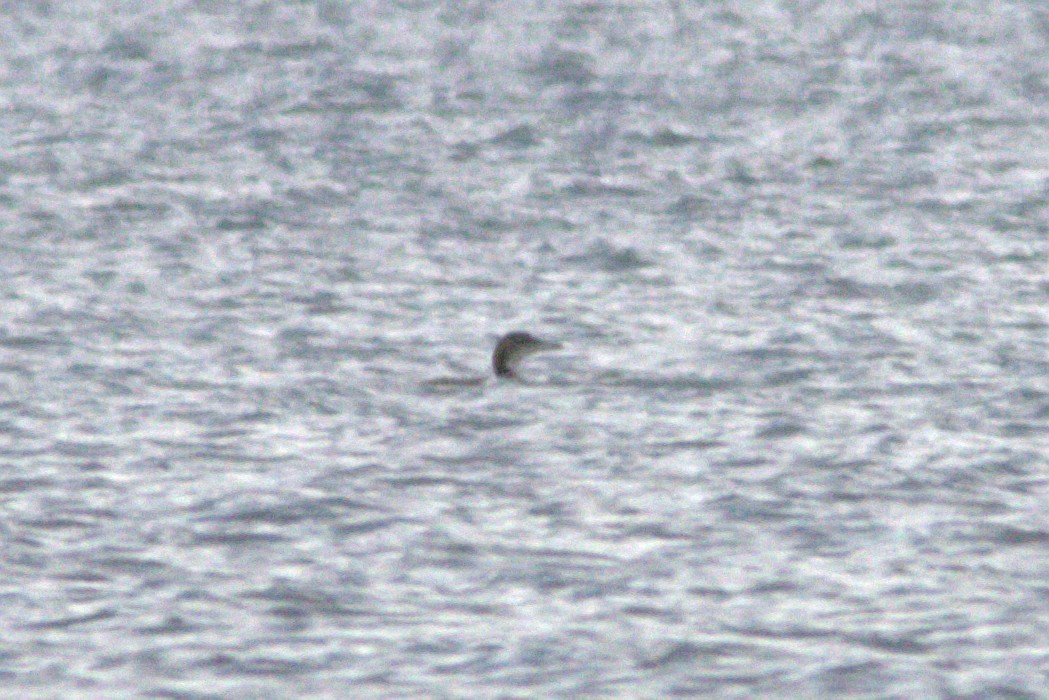
| Media | |
| Number Observed | 3 |
| Reporting Observer's Name | David Guertin |
| Mailing Address | 1599 Route 30 Cornwall, VT 05753 United States Map It |
| Email hidden; Javascript is required. | |
| Date Completed | 01/19/2021 |
| Names & Emails of Other Contributing Observers | None |
| Latitude of Observation (enter 0 if unable to provide) | 44.1303163 |
| Longitude of Observation (enter 0 if unable to provide) | -73.3686304 |
| Place Name | Turkey Lane |
| Township | Panton |
| County | Addison |
| Vermont eBird Checklist URL | ebird.org |
| Time of Day | 02:30 PM |
| Length of Time Observed | 30 minutes |
| Maximum Estimated Distance from Bird (in feet) | 2000 |
| Minimum Estimated Distance from Bird (in feet) | 1200 |
| Noteworthy Weather Conditions | Calm, cloudy, excellent viewing conditions |
| Optical Equipment Used for Observation | Hawke Endurance ED 25-75x85mm scope -- mostly at 60-75x |
| Observer’s Previous Acquaintance With This or Similar Species | Pacific Loon: This is only my third sighting of Pacific Loon, the most recent being 2 weeks ago on January 4 at the Champlain Bridge, a bird seen by many. During the search for that bird I studied the key features distinguishing it from a Common Loon. Common Loon: I am very familiar with this bird, having seen and carefully observed literally thousands over the years. My eBird count for Common Loon on Lake Champlain this winter is at 131, and these birds stood out as being different. |
| I certify that any attachments included with this report were captured during this observation event. | |
| Description of Habitat | Open water on Lake Champlain |
| Behaviors Observed | When diving, exhibited the behavior of kind of launching forward in an arc, unlike the typical less flamboyant dive of a COLO. |
| Description of Vocalizations | None |
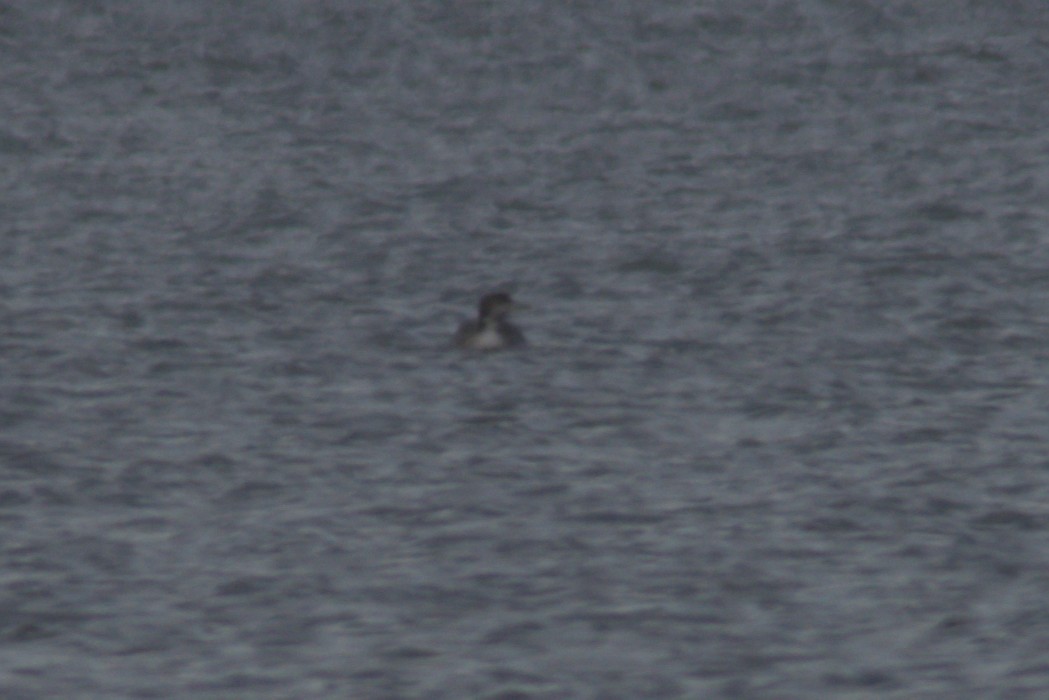
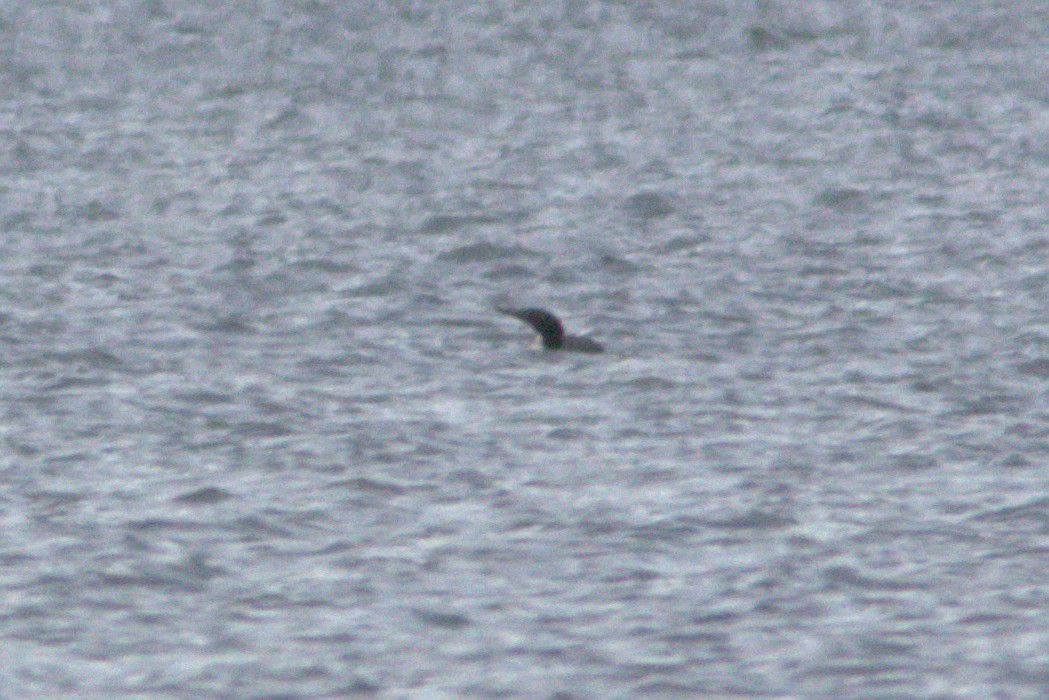
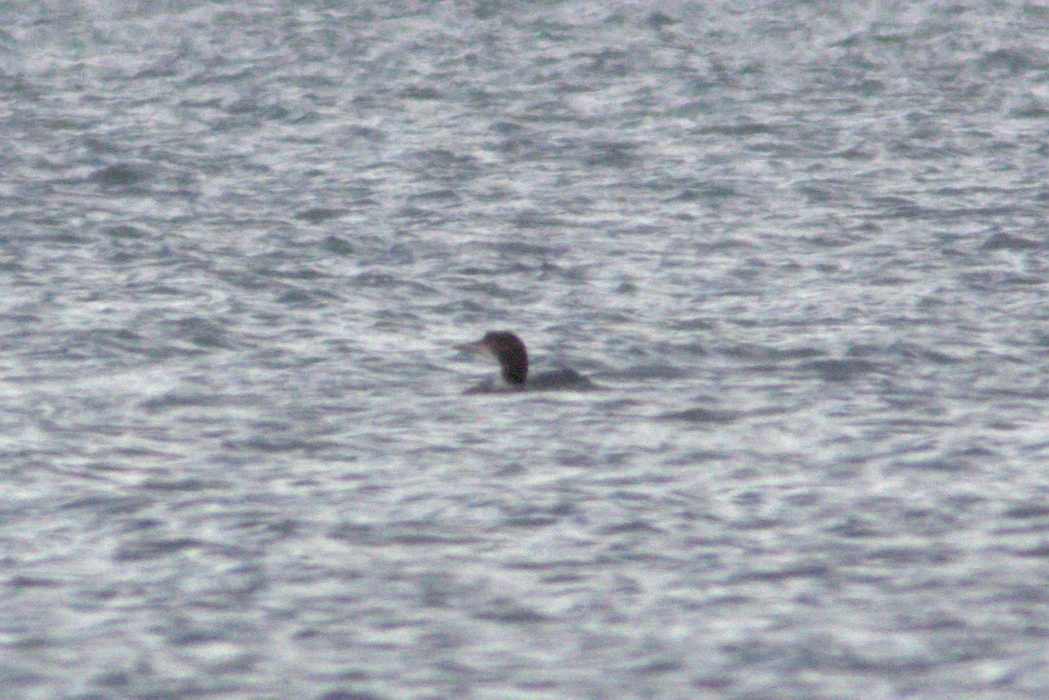
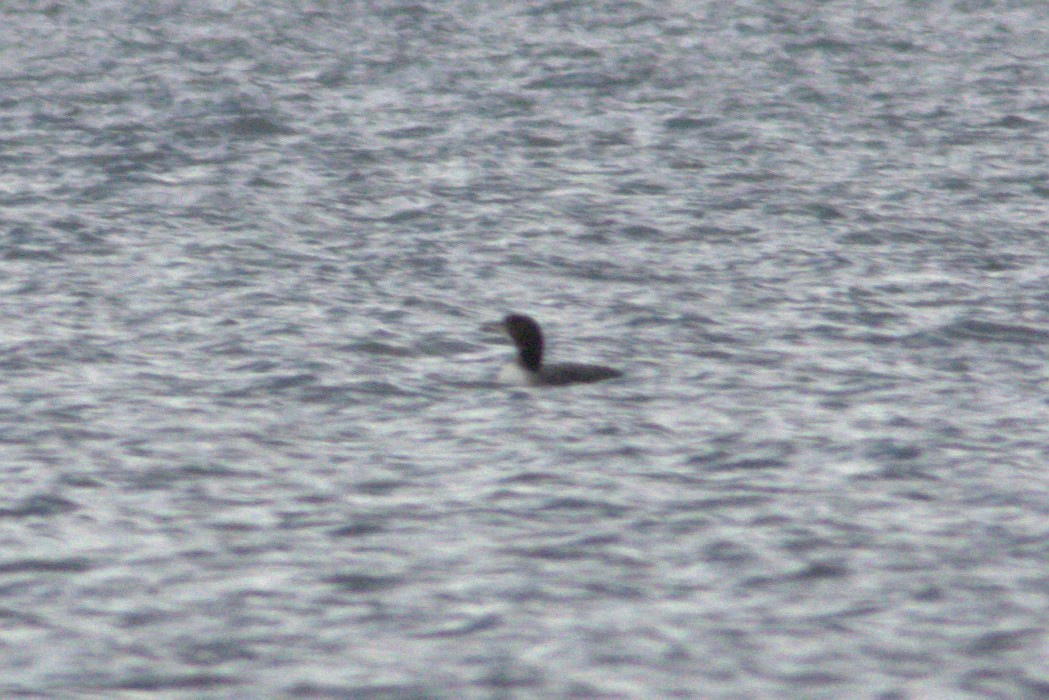
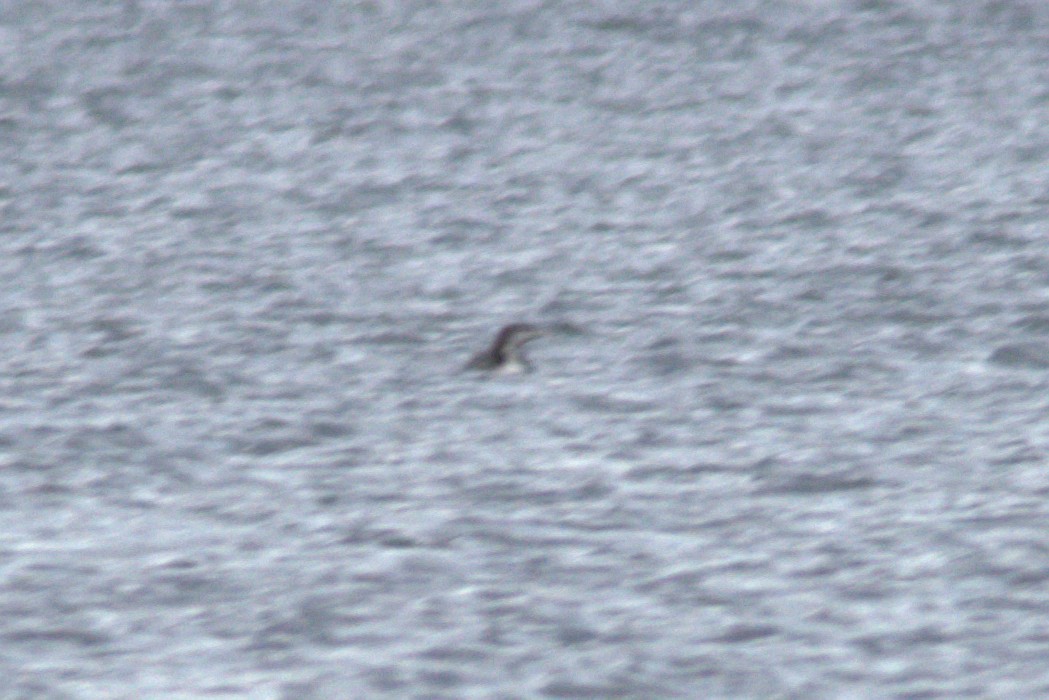
| Verbal Narrative & Description of Observation | I watched this bird for 10 minutes through the scope until it swam behind the island. Dark head and back of neck, white throat and front of neck, with a clear, sharp division between the two, quite unlike the jagged, diffuse border of a COLO. Chinstrap clearly visible when the bird turned to face me. Eye in the dark part of the head, with no white visible around it. Thin bill, slighter than a COLO. Dark black back. When diving, exhibited the behavior of kind of launching forward in an arc, unlike the typical less flamboyant dive of a COLO. Five minutes later it emerged from behind the island and was joined by a second loon identical in markings and behavior. After watching the pair for another 5 minutes, a THIRD loon appeared out of nowhere and the three of them swam together. All 3 looked identical. Given the unlikelihood of seeing 3 Pacific Loons together, I considered the possibility that I was just looking at 3 odd-looking Common Loons. I've seen many Common Loons on the lake this winter, but despite not having a Common Loon nearby for comparison, these birds just looked different from Common Loons in all the ways I noted. Viewing conditions were very good, and I got a much better look at these birds than previous sightings at the bridge. Shortly after, all 3 loons swam behind the island and disappeared from view. After a few minutes, 2 of them emerged from the south end of the island, affording even better views than I had previously. |
| IMPORTANT: What similar species were eliminated when making the identification and how was this bird different? | Common Loon: See verbal narrative |
| This report was written from notes taken: | Immediately After |
Vermont Atlas of Life Partners