| Common Name | Yellow-rumped Warbler (Audubon's) |
|---|---|
| Scientific Name | Setophaga coronata auduboni |
| Type of Report | Rare Species |
| Date of Observation | 12/02/2020 |
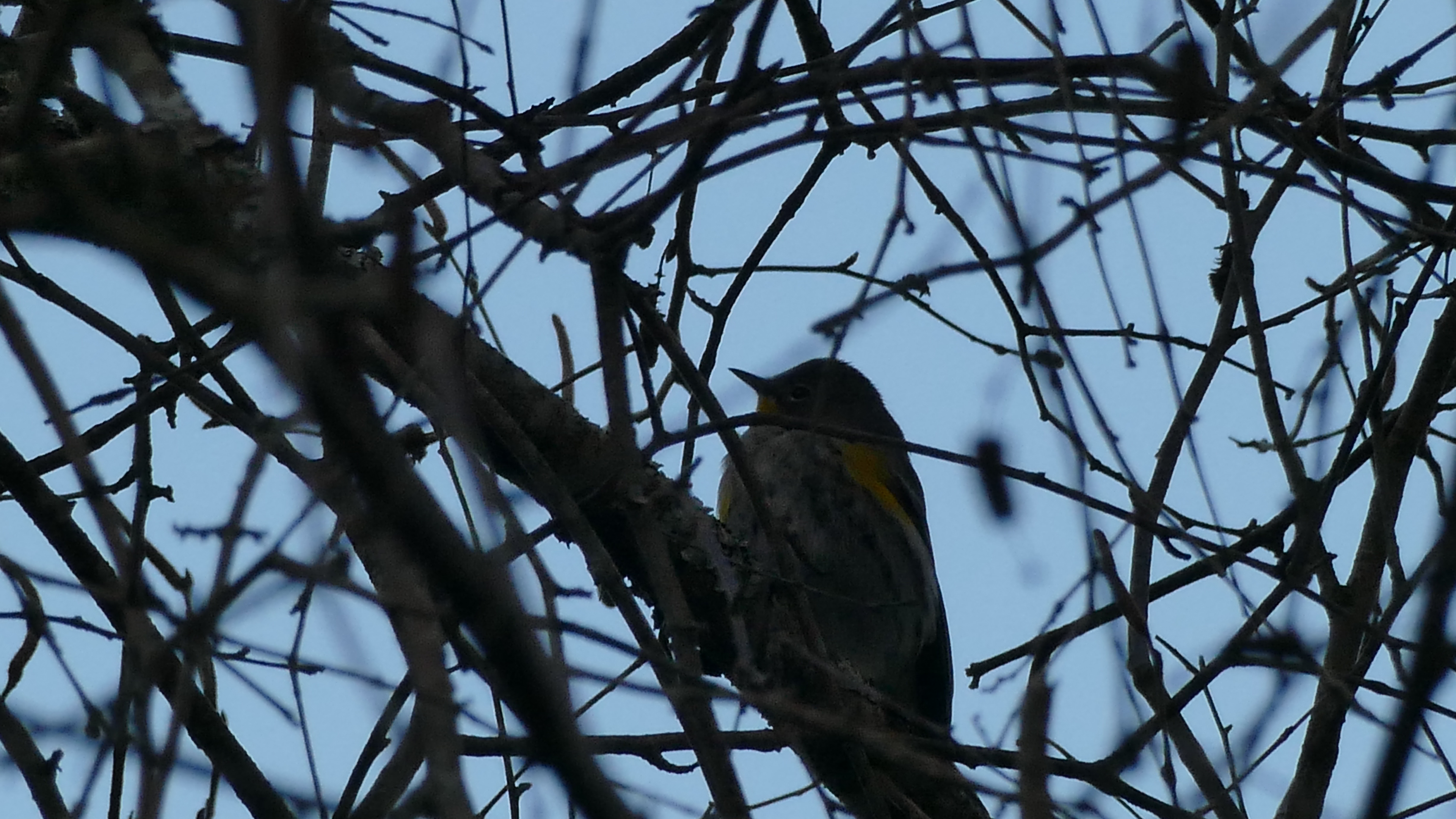
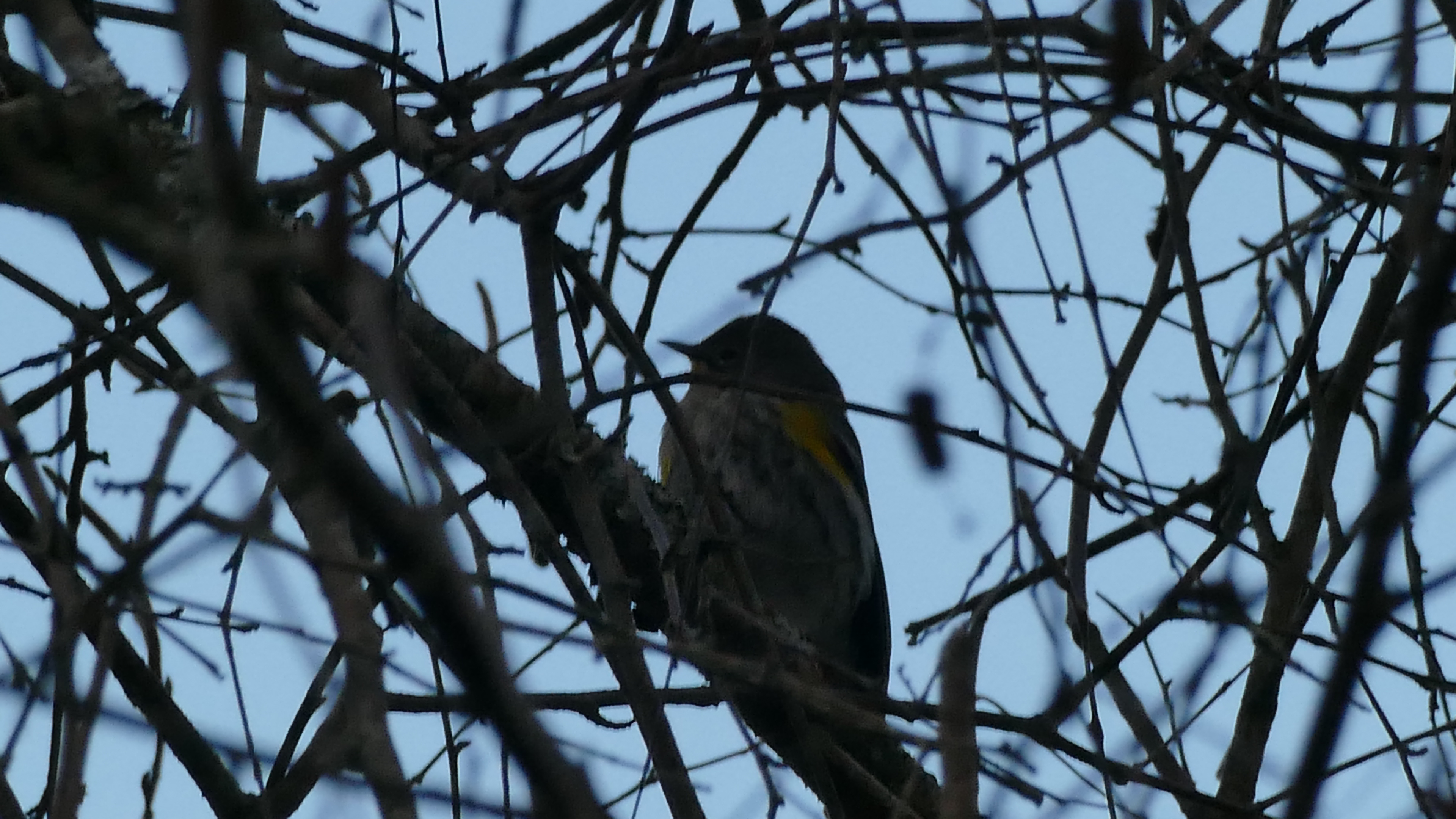
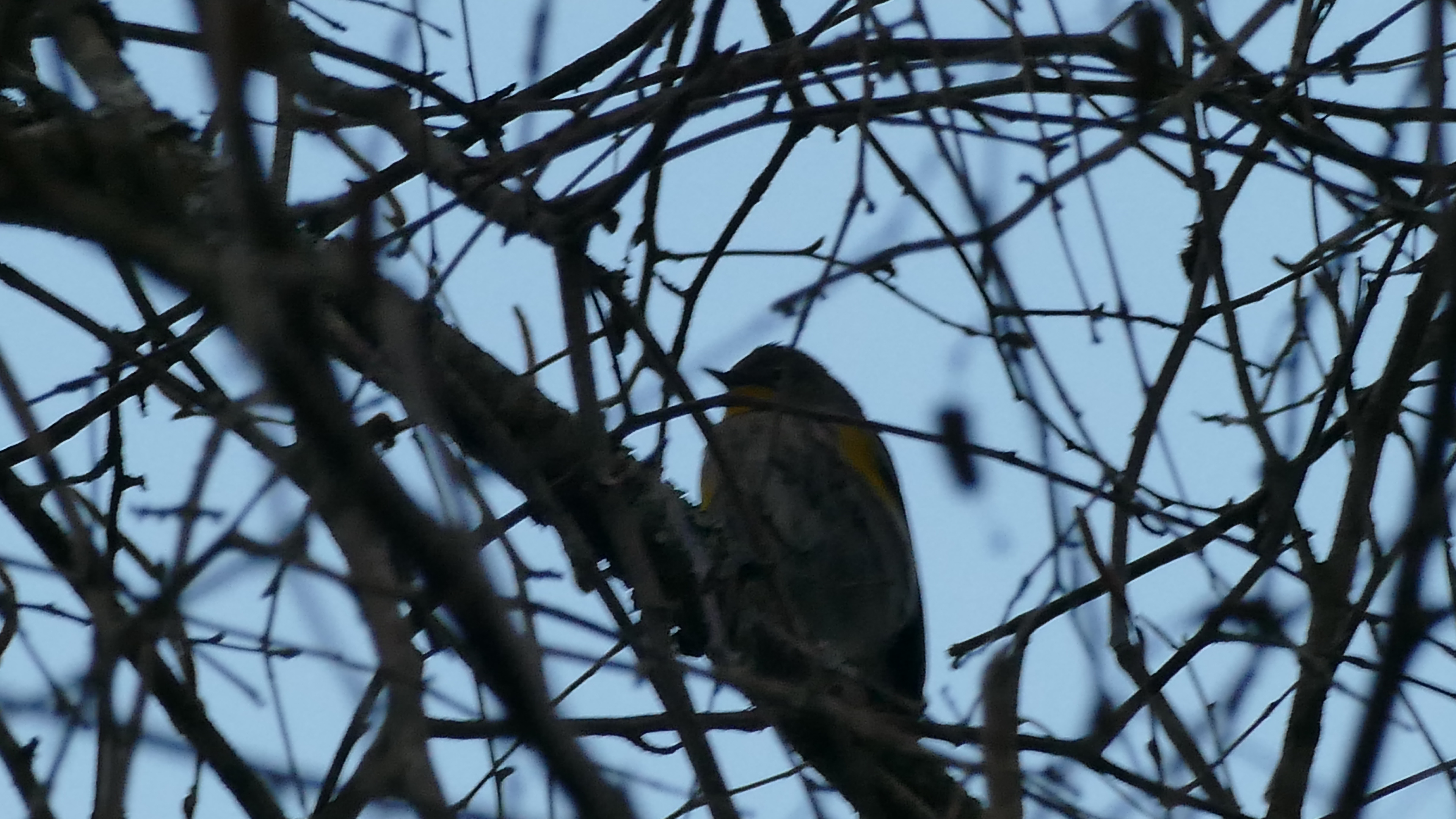
| Media | |
| Number Observed | 1 |
| Reporting Observer's Name | Avery Fish |
| Mailing Address | 40 Clover Lane Waterbury, Vermont 05676 United States Map It |
| Email hidden; Javascript is required. | |
| Date Completed | 12/02/2020 |
| Latitude of Observation (enter 0 if unable to provide) | 0 |
| Longitude of Observation (enter 0 if unable to provide) | 0 |
| Place Name | Country Club of Vermont |
| Township | Waterbury |
| County | Washington |
| Vermont eBird Checklist URL | ebird.org |
| Time of Day | 08:00 AM |
| Length of Time Observed | 2 minutes max |
| Maximum Estimated Distance from Bird (in feet) | 15 feet |
| Minimum Estimated Distance from Bird (in feet) | 5 feet |
| Noteworthy Weather Conditions | Mostly Cloudy, sparse snowflakes |
| Optical Equipment Used for Observation | Bushnell H20 Waterproof 8x42 |
| Observer’s Previous Acquaintance With This or Similar Species | Very experienced with YRWA (Myrtle) in the field, in-hand, and auditory experience. |
| I certify that any attachments included with this report were captured during this observation event. | |
| Description of Habitat | Flew into a flock of Common Redpolls. Best views and pictures taken in birch trees. First seen as a small bird flitting through bushes on the side of the walkway. Pine Grosbeaks nearby in ornamental trees. |
| Behaviors Observed | No gleaning. Responded to phishing. Flew off when the Redpolls took off. |
| Description of Vocalizations | Only heard once, but similar to YRWA (Myrtle). The call was not the Myrtle "chut", this call was drier and snappier. |
| Verbal Narrative & Description of Observation | When I saw the bird fly into the birches as I was scanning the Redpolls, I immediately saw it was a small passerine, with a warbler shape. I first noticed the yellow breast spots and light side streaking, like a drab fall YRWA (Myrtle). Then I saw the yellow throat. After a brief pause of disbelief, I raised my camera to get some shots of it. The bird was backlit by indirect sunlight, which was sub-par, but better than backlit from direct sun. In the photos, you can see the yellow breast spots, yellow throat patch, and subtle eye arcs. It then started flitting quickly through the trees, and I was unable to get more shots. Phishing brought it in closer for a second or two, which is when it chirped. The call was similar to the "chut" call made by YRWA's (Myrtle), but was different. It was drier, lacking the sweet tone of the YRWA (Myrtle). Then it flew out of the tree and into the woods with the Redpolls. I did not think to look at the tail, but nothing stood out as odd on this bird, compared to a YRWA (Myrtle). |
| Relative Size & Shape | A little larger than the nearby CORE, but not by much. Classic warbler shape, with a thin, warbler bill. |
| Head | Dark head, with a yellow throat. Visible eye arcs/ring. Nape not visible. No discernable supercilium. |
| Feet & Bill | Bill dark and thin. Length about equivalent as from the back of the eye to the base of the bill. |
| Upper Back | Not viewed with attention |
| Lower Back & Rump | Yellow Rump. |
| Wings | At least one wing bar visible in photos. Did not notice anything odd about the wings. |
| Breast, Belly, Flanks, Under Tail Coverts | Yellow spots on the sides of the breast. Clean belly, dark streaks under the yellow spots. Streaking looked light in the field, definitely dark in photos. |
| Tail | Did not get a good look at the tail. I was too busy trying to keep track of the bird to memorize the individual field marks. |
| IMPORTANT: What similar species were eliminated when making the identification and how was this bird different? | Pure YRWA (Myrtle) eliminated by the yellow throat and lack of supercilium. Other potential similar drab warblers eliminated by the obvious yellow throat and breast spots (Pine, mainly). |
| Other Notes & Comments | I am sorry that I wasn't able to follow this bird for a good length of time to memorize its markings. This was a quick encounter, with good views only lasting 5-10 seconds, most of which was taken up with my struggling with my camera. I am glad I was able to get some shots that are usable in seeing field marks. This report is being written 4 hours after viewing, after prompting from the local reviewer. It is possible this bird could be a hybrid, but I have no idea how to discern whether it is or isn't. |
| This report was written from notes taken: | Written from Memory |
Vermont Atlas of Life Partners