| Common Name | Worm-eating Warbler |
|---|---|
| Scientific Name | Helmitheros vermivorum |
| Type of Report | Rare Species |
| Date of Observation | 10/04/2020 |
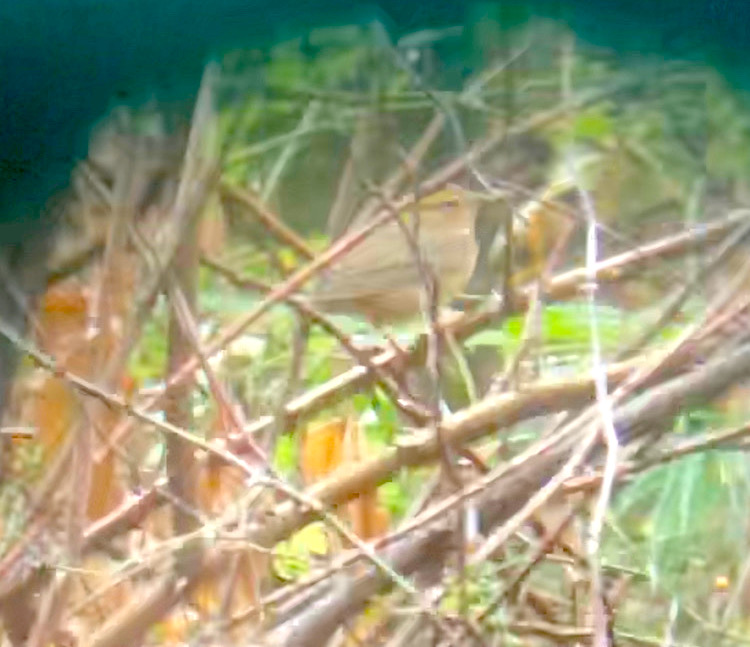
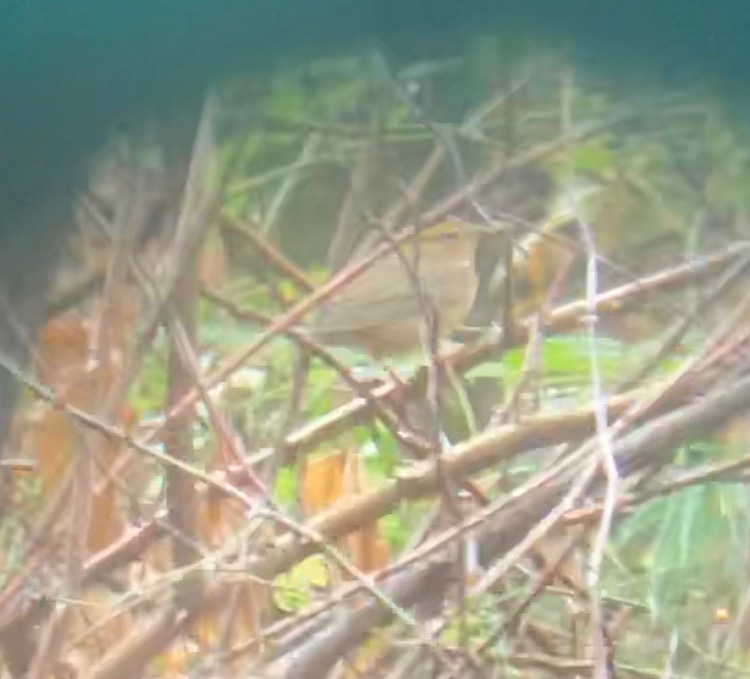
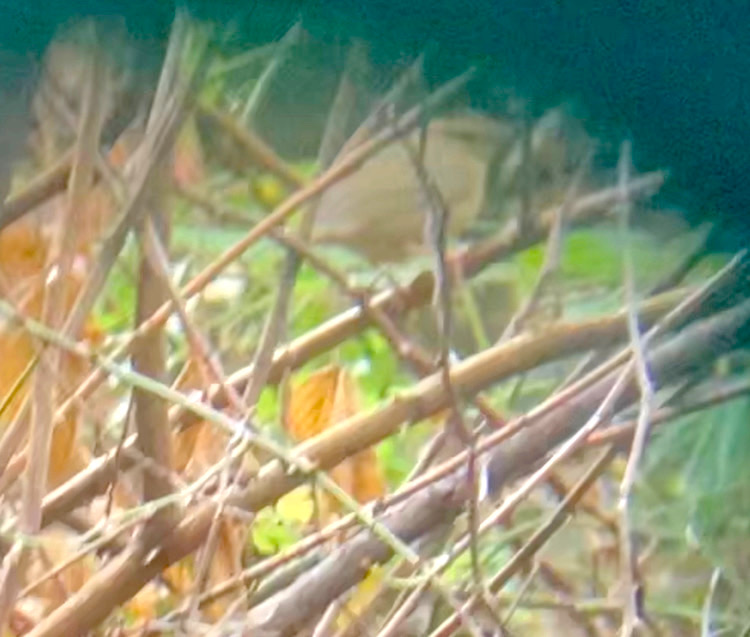
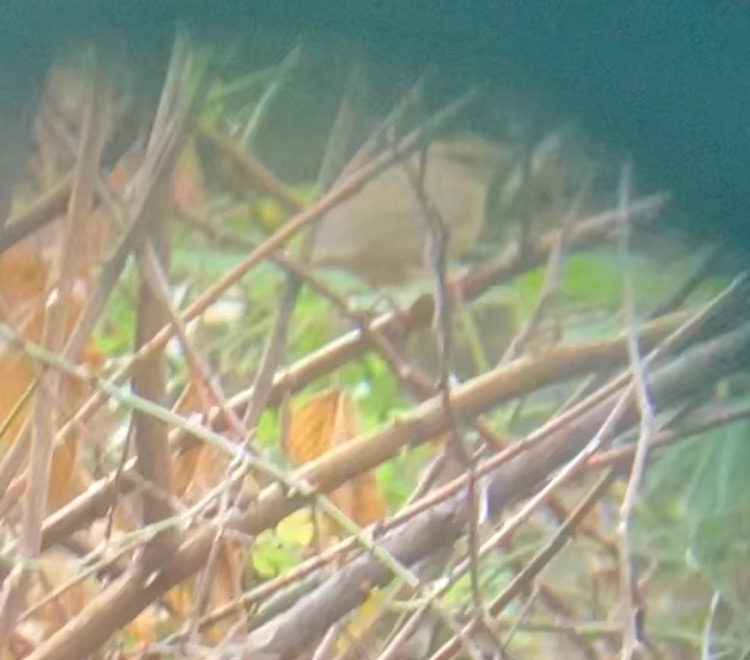
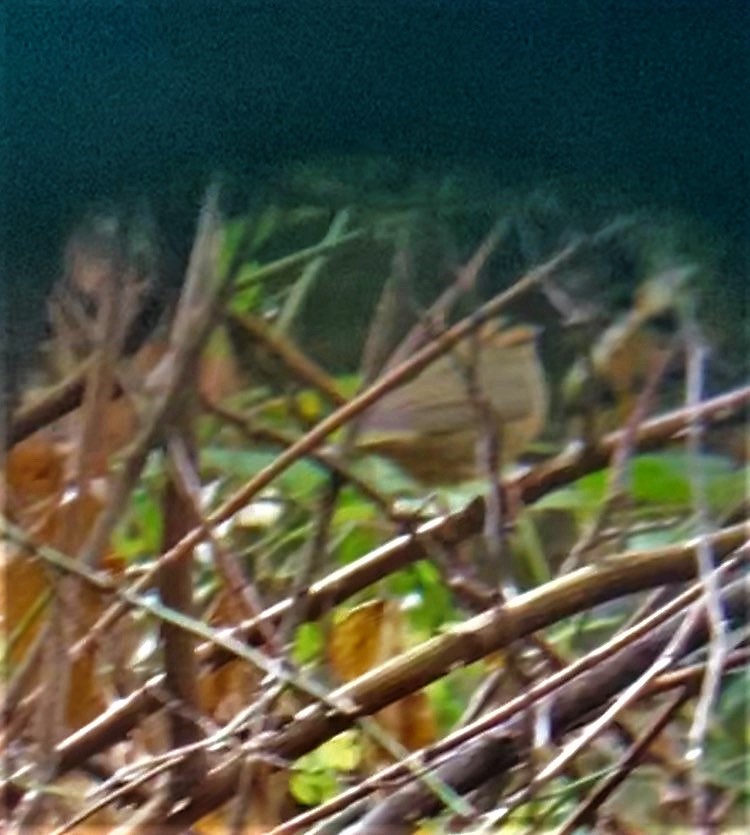
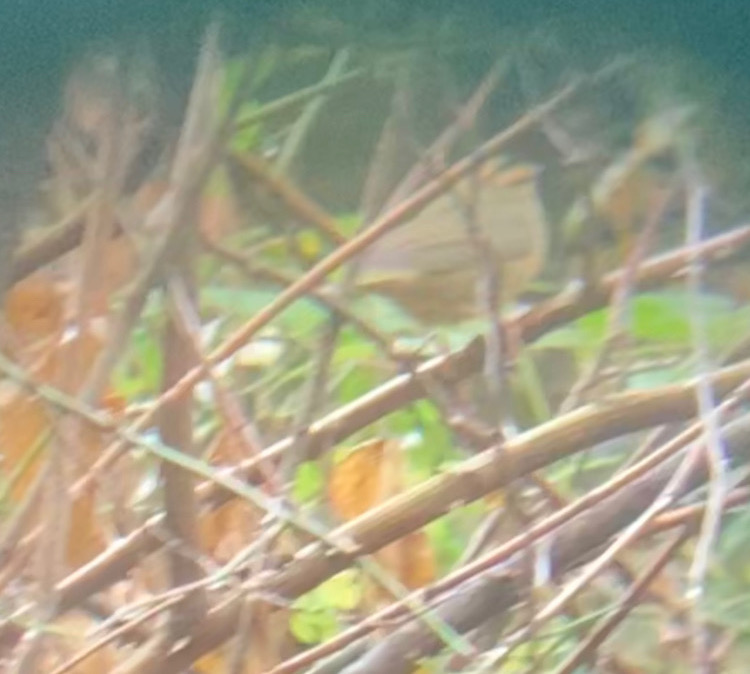
| Media | |
| Number Observed | 1 |
| Reporting Observer's Name | Oliver Patrick |
| Mailing Address | 5327 Allandale Road Bethesda, Maryland 20816 United States Map It |
| Email hidden; Javascript is required. | |
| Date Completed | 10/14/2020 |
| Latitude of Observation (enter 0 if unable to provide) | 44°00'21.3"N |
| Longitude of Observation (enter 0 if unable to provide) | 73°11'00.7"W |
| Place Name | Middlebury College |
| Township | Middlebury |
| County | Addison |
| Vermont eBird Checklist URL | ebird.org |
| Time of Day | 11:14 AM |
| Length of Time Observed | 4 minutes |
| Maximum Estimated Distance from Bird (in feet) | 25 |
| Minimum Estimated Distance from Bird (in feet) | 5 |
| Noteworthy Weather Conditions | Partially cloudy, SW winds. |
| Optical Equipment Used for Observation | Eagle Optics 8x42 binoculars. |
| Observer’s Previous Acquaintance With This or Similar Species | I've had encounters with this species, by sight and by ear, upwards of forty times on territory and on migration. |
| I certify that any attachments included with this report were captured during this observation event. | |
| Description of Habitat | Bird was first spotted in the understory of a grove of evergreens along the TAM (Trail Around Middlebury) Class of '97 Trail. The grove was located directly below a forested slope, which I noticed was somewhat reminiscent of preferred Worm-eating breeding habitat, being rocky without too much underbrush. The bird approached through the low branches of the evergreens, then flew past me to some bushes along the shrubby west side of the trail. It returned overhead and flew off to the east upslope. Associating with a mixed flock of Black-capped Chickadees, Tufted Titmice, and a single Golden-crowned Kinglet. |
| Behaviors Observed | Noted to be feeding in classic Worm-eating style by gleaning insects from hanging clumps of dead leaves. |
| Description of Vocalizations | Potentially gave a single call note but no vocalizations heard with certainty. |
| Verbal Narrative & Description of Observation | After a morning of birding the woods below Middlebury College, I was rushing back along the TAM to get to a class when I heard bird activity to my right and above me in an evergreen grove. I briefly stopped to pish, expecting a chickadee or two to fly out. Indeed, a furious chickadee shot across my field of vision, and right behind it I saw another, duller-colored bird move and trained my binoculars on it. Immediately, I noticed the buffy breast, pink bill, and striped head of a Worm-eating Warbler. As it shifted closer I distinguished the plain, olive-green back and noted the lack of any other markings on the back or wings. The bird approached boldly as I continued to pish, and I decided it was within distance to attempt a photo. Having left my DSLR camera in my dorm, I attempted several pictures with my phone through the binoculars, without success. The bird climbed higher in the trees across the TAM from me, then flew across the path and into the evergreen above my head at a distance of around 5 feet, giving me an excellent view of its unmarked buffy belly for around five seconds. I pished again and the bird flew down and away from me, over the side trail and into a clump of shrubs and branches. Pulling up my binoculars and phone, I snapped a Live photo--essentially, a very brief video—through my bins which I didn’t realize until later had actually captured the bird hopping up and perching in the shrub. The warbler continued moving through the shrub, and I took the time to write a frantic text to the other birders at the college. I looked up just in time to see the bird fly back over the side trail into the trees right above me, then cross the TAM once again. It moved briefly through an evergreen, then began to draw back. I continued to pish, but he warbler took flight and headed uphill. The entire interaction lasted around three minutes. The bird was not relocated after that point despite effort by myself and other college students. |
| Relative Size & Shape | Larger than the chickadees with which it was associating. Shape-wise, distinctly large and long-bodied for a warbler, with a relatively short tail. Held itself predominantly horizontally. |
| Head | Entirely buffy head with black eye-line, two black lateral crown stripes. |
| Feet & Bill | Large, long pink bill. Leg color not noted. |
| Upper Back | Solid olive green . |
| Lower Back & Rump | Solid olive green. |
| Wings | Solid olive green. No wing bars or other markings. |
| Breast, Belly, Flanks, Under Tail Coverts | Entirely buffy without any markings. Buffy color less intense on lower belly and flanks. |
| Tail | Entirely olive green. Relatively short compared to body size. |
| IMPORTANT: What similar species were eliminated when making the identification and how was this bird different? | Swainson's Warbler, the closest lookalike and a rarity in its own right, eliminated by this bird's bright buffy head and throat, green-olive back, and stark black eye lines and lateral crown-stripes with buffy median crown-stripe. Potentially similar Ovenbird also eliminated by plain buffy belly and four black head-stripes, as well as lack of eye-ring, black breast streaks, or ginger crown. |
| Other Notes & Comments | Age and sex not determined. Note on media: I've uploaded three stills from the video that capture the bird in some detail, as well as (at the suggestion of Ian Worley) edited versions with contrast and shadows increased to better show details. Photo "FullSizeRender-0" and the version with increased contrast best show the black eyeline and lateral crown-stripe with buffy supercilium and median crown-stripe, the features diagnostic of Worm-eating Warbler. Photo "FullSizeRender-1" shows the same feature but less distinctly. Note "FullSizeRender-0 increased contrast" was edited by Ian Worley. |
| This report was written from notes taken: | Written from Memory |
Vermont Atlas of Life Partners