| Common Name | Western Sandpiper |
|---|---|
| Scientific Name | Calidris mauri |
| Type of Report | Rare Species |
| Date of Observation | 09/03/2020 |
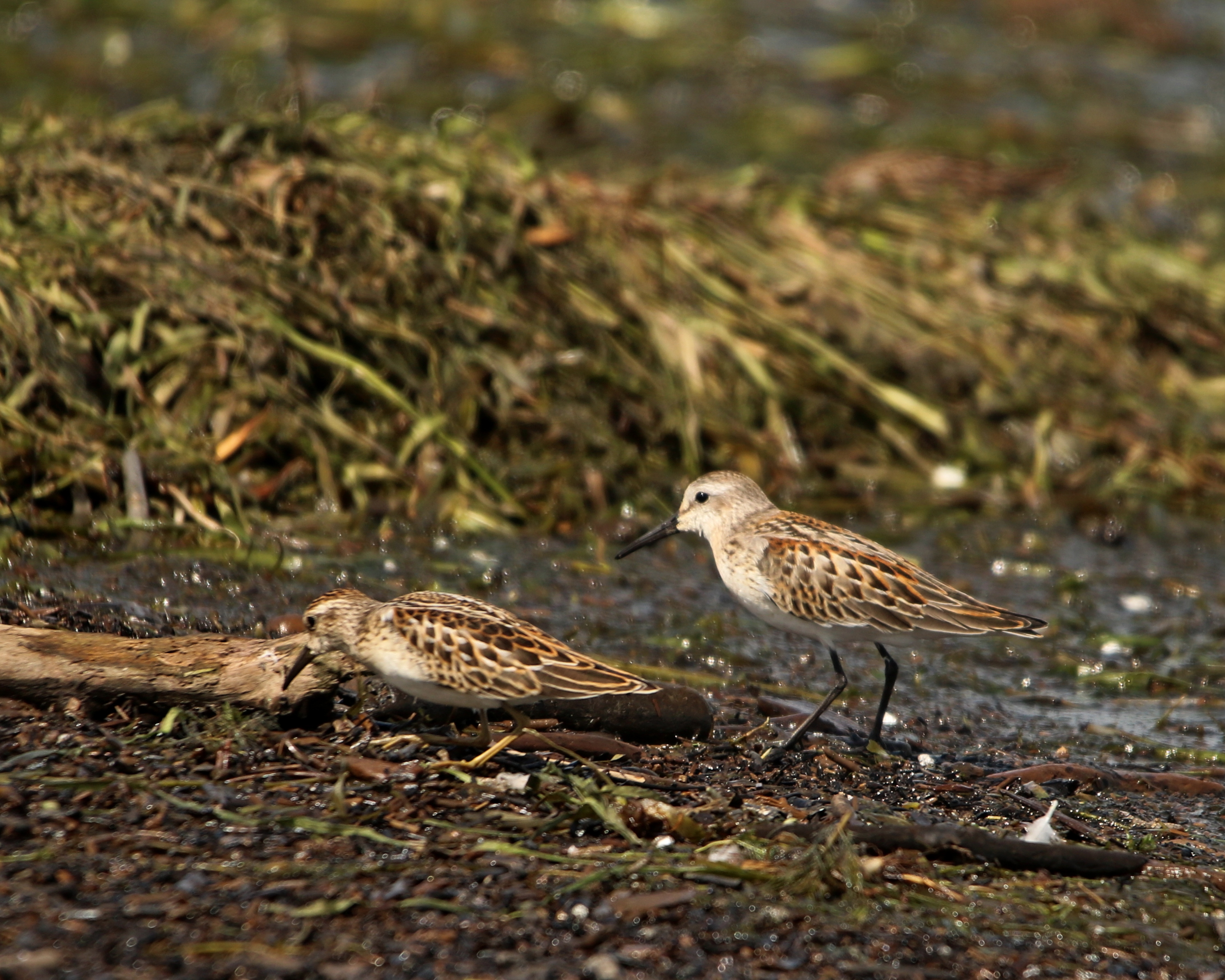
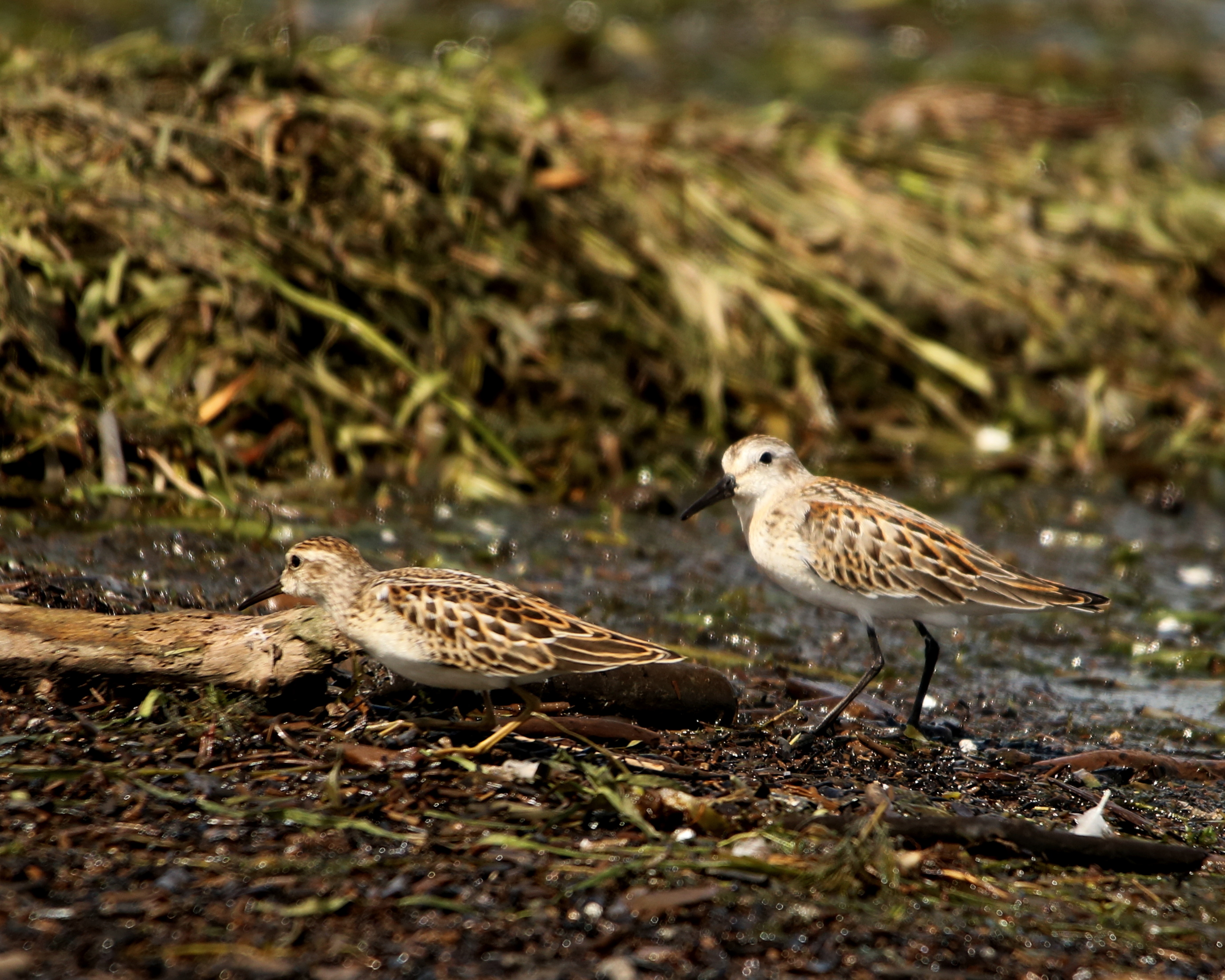
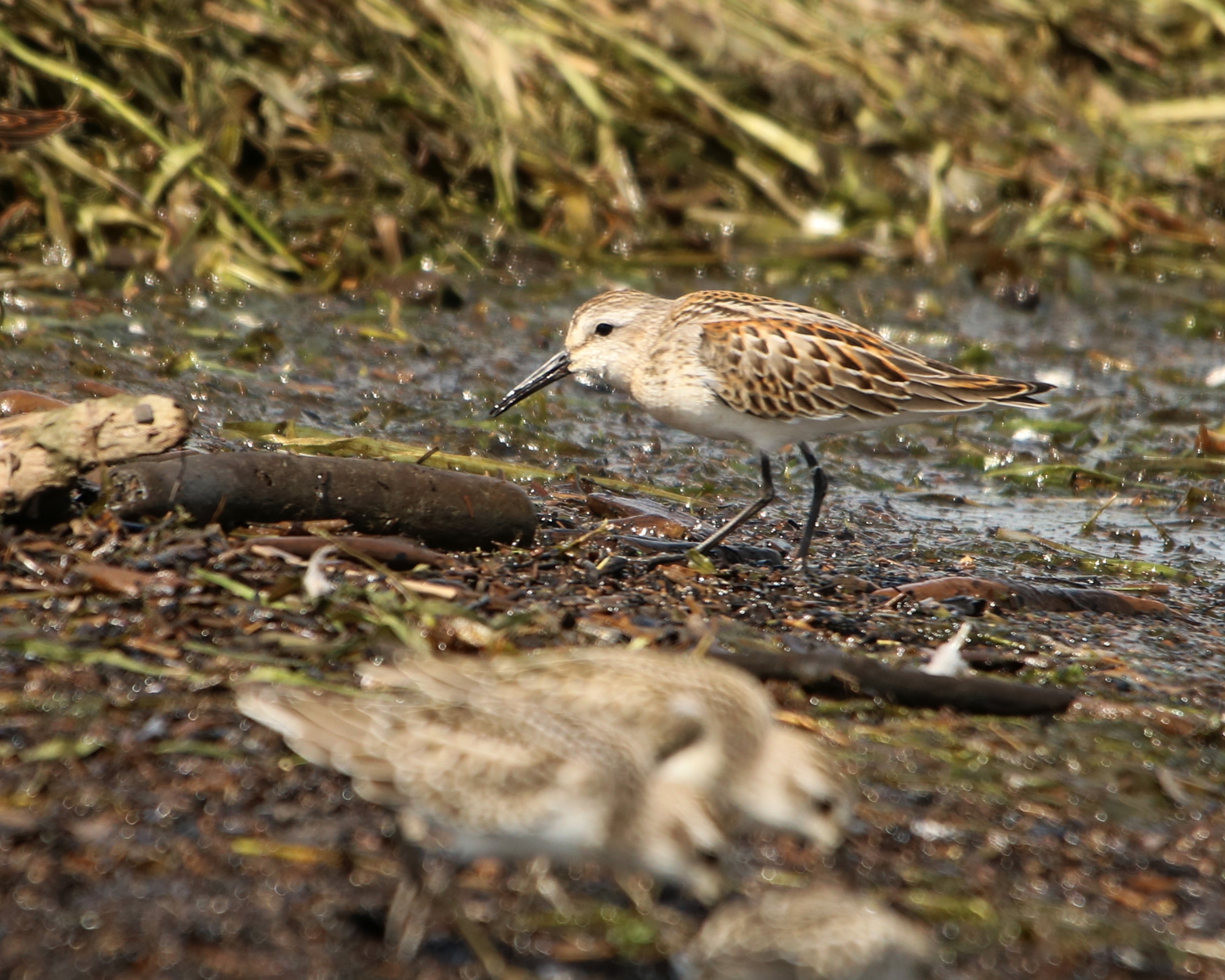
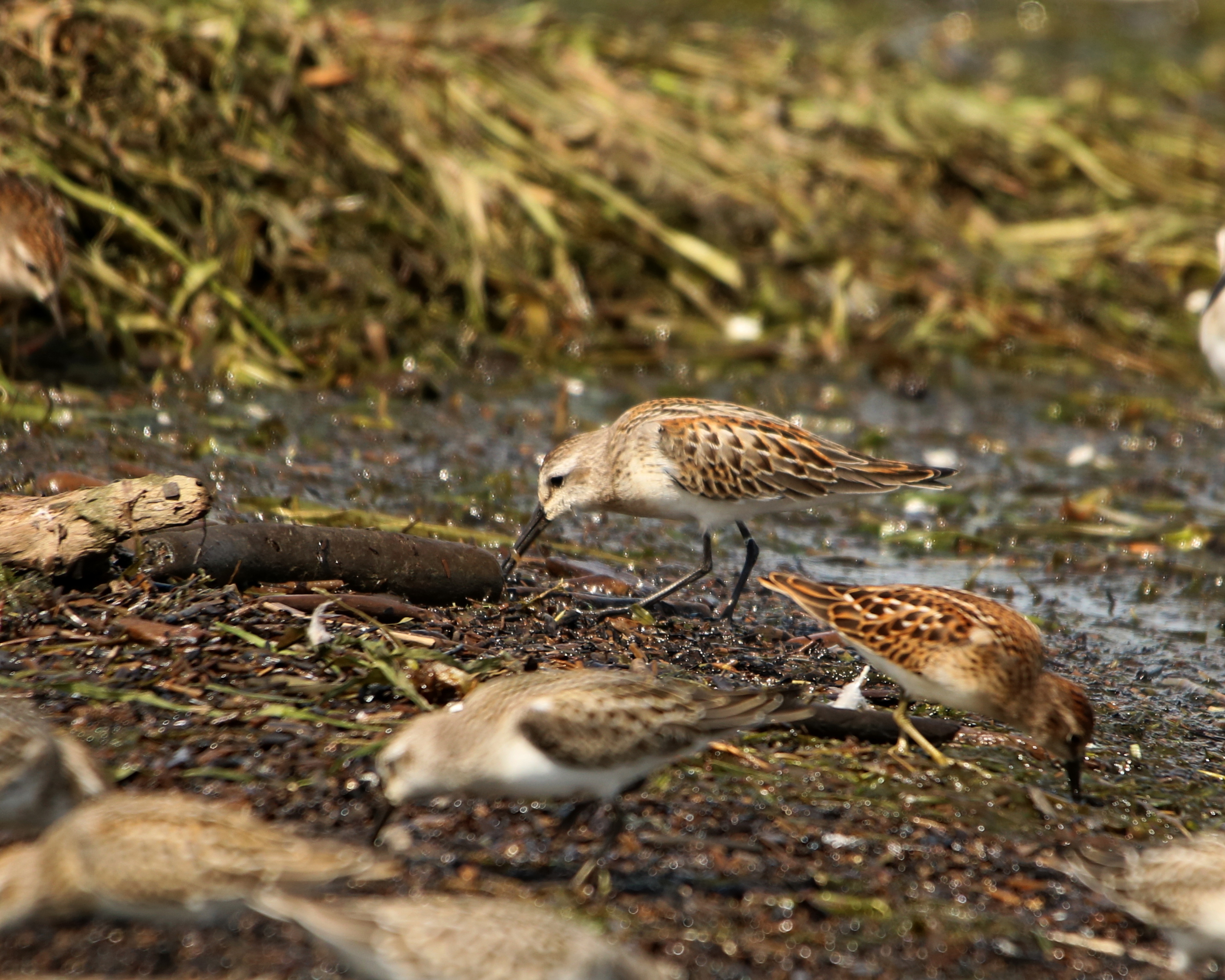
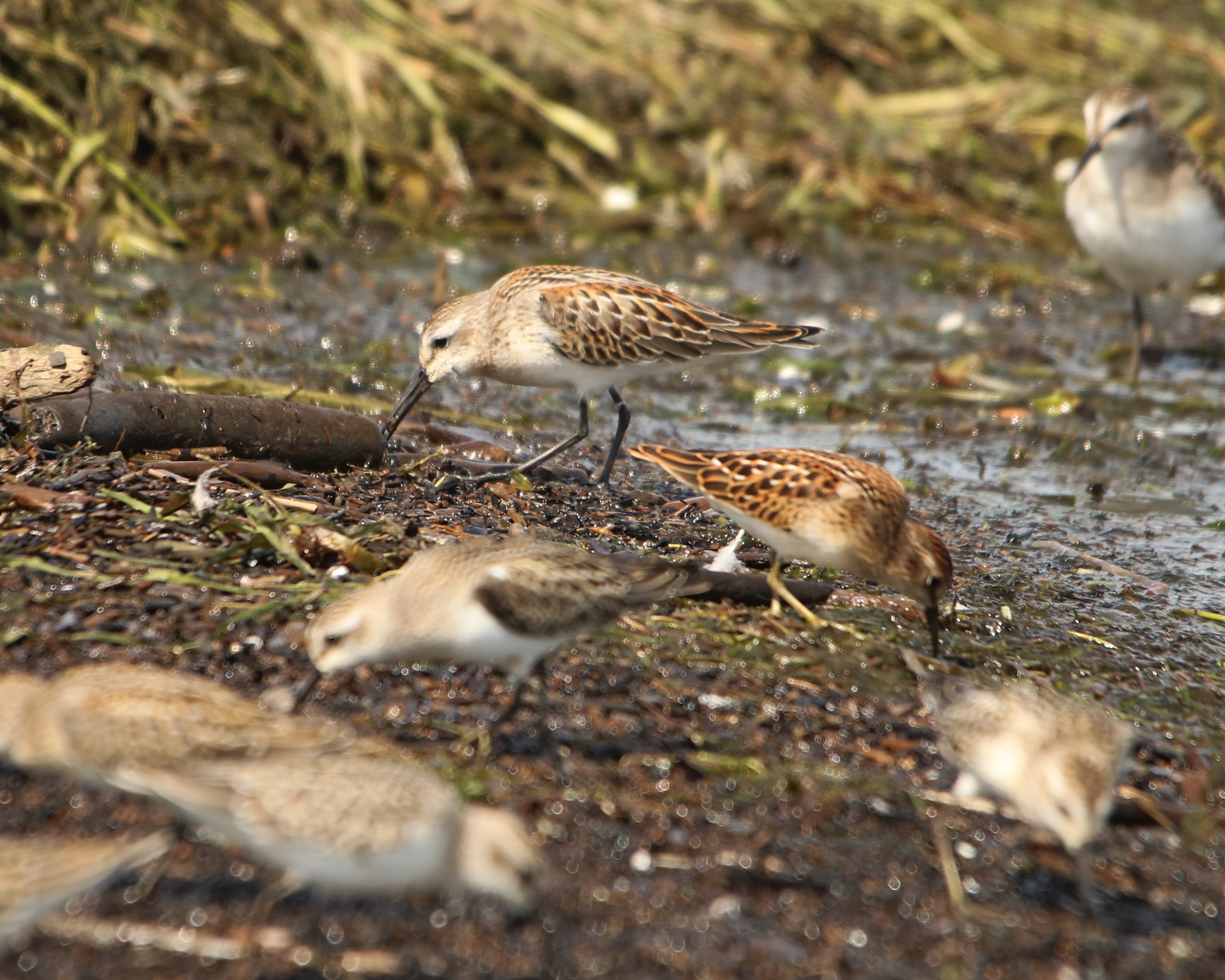
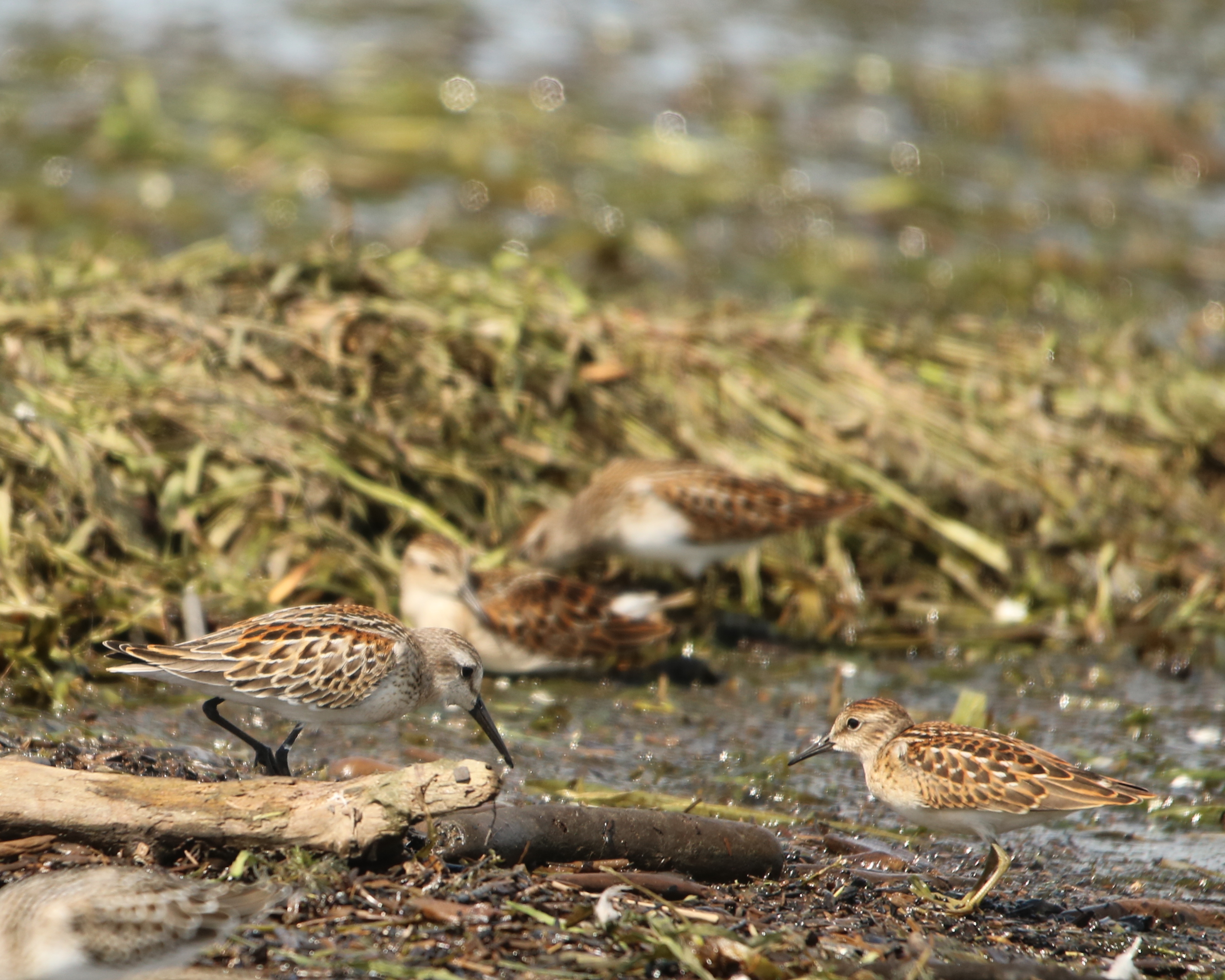
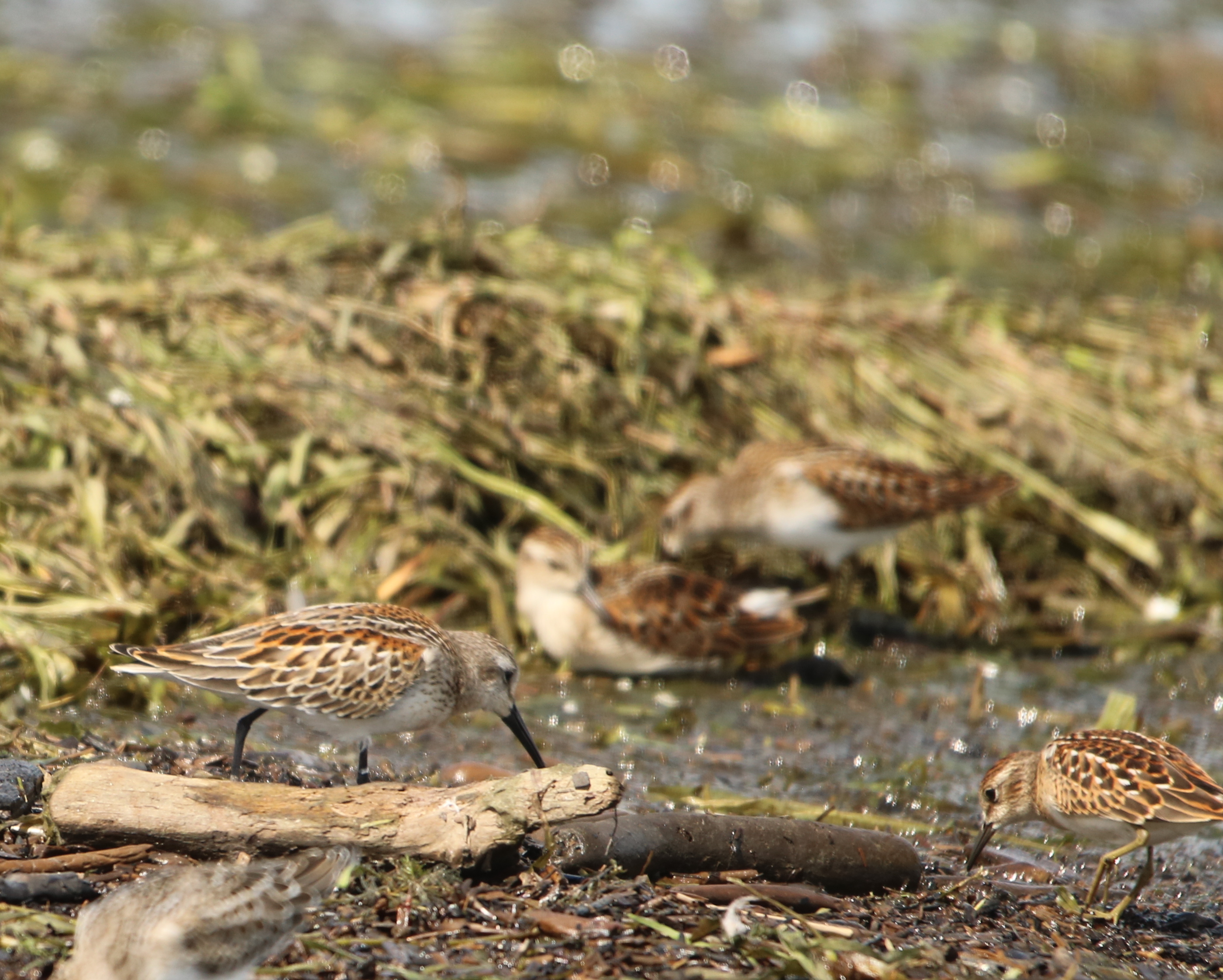
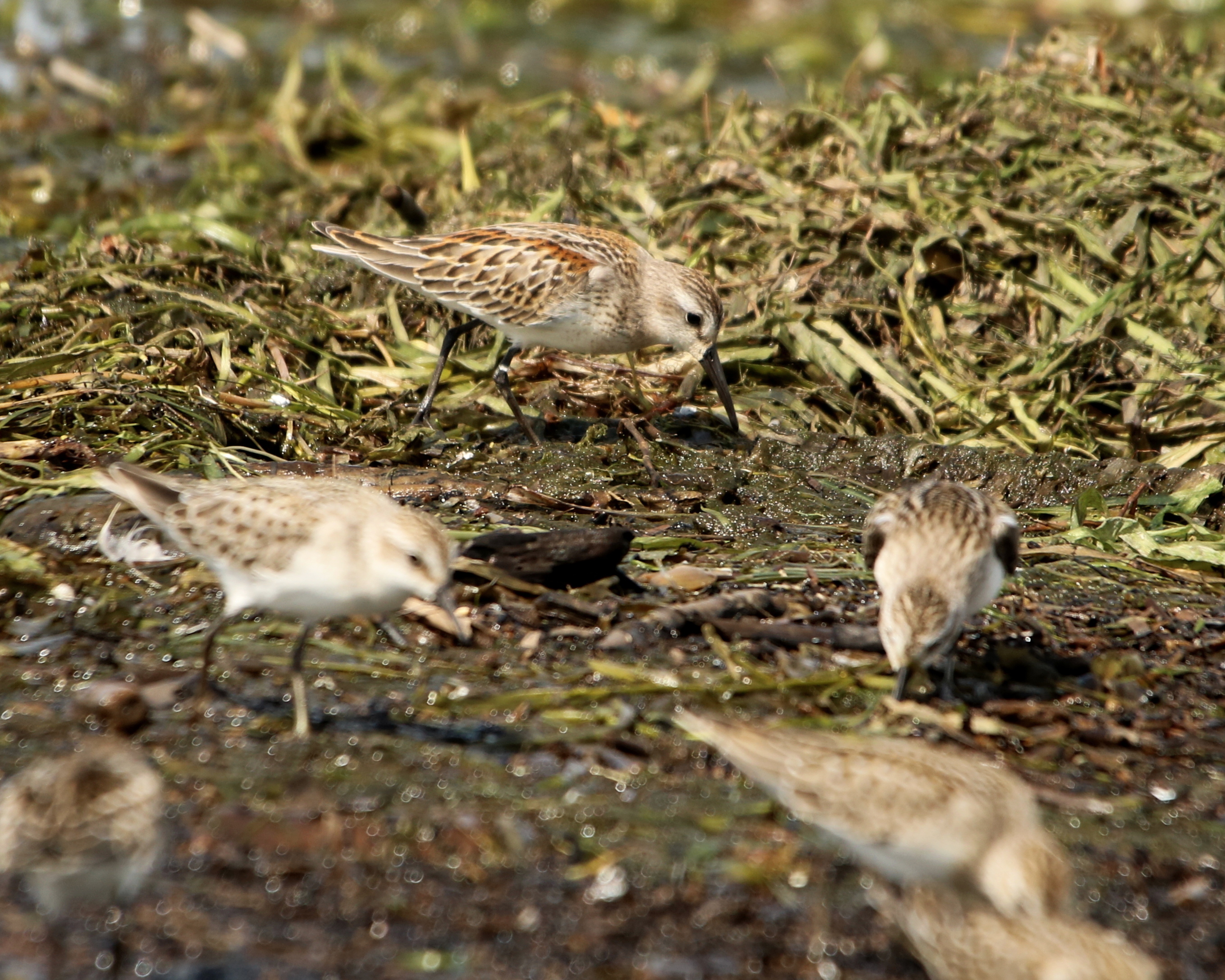
| Media | |
| Number Observed | 1 |
| Reporting Observer's Name | Martha McClintock |
| Mailing Address | 10 Forest Lane Westford, VT 05494 United States Map It |
| Email hidden; Javascript is required. | |
| Date Completed | 09/13/2020 |
| Names & Emails of Other Contributing Observers | Bill McClintock |
| Latitude of Observation (enter 0 if unable to provide) | 45.005791 |
| Longitude of Observation (enter 0 if unable to provide) | -73.161182 |
| Place Name | Mississquoi River: Tip of delta, west branch |
| Township | Highgate, VT or Swanton, VT |
| County | Franklin |
| Vermont eBird Checklist URL | ebird.org |
| Time of Day | 10:00 AM |
| Length of Time Observed | at least one half hour |
| Maximum Estimated Distance from Bird (in feet) | 60 feet (in scope) |
| Minimum Estimated Distance from Bird (in feet) | 15 feet (using scope, camera with 400 mm lens, and binoculars.) |
| Noteworthy Weather Conditions | Absolutely clear bright day. Minimal winds. |
| Optical Equipment Used for Observation | Nikon Monarch 10 x 42, Celestron Regal M2 80ED, Canon EOS Rebel T6i with 120-400 mm lens. |
| Observer’s Previous Acquaintance With This or Similar Species | I love shorebirds and have birded shorebirds once or twice a week during fall migration for years. I know the "usual" species. When I saw this bird, I was not at all sure of the ID but studied it and took pictures for a half an hour or so because I felt that it might be a western. |
| I certify that any attachments included with this report were captured during this observation event. | |
| Description of Habitat | Extensive sand bar/mudflats at the end of the Mississquoi River where it entered Champlain. There were many peeps (about 40 SESA and LESA), about 30 sanderlings , and 8 SEPL on the mudflats. Some yellowlegs, gulls, and terns in water and on nearby sandbar. The WESA was with some SESA and LESA. |
| Behaviors Observed | The bird spent most of the time feeding on a mound of grasses, reeds, vegetation of some sort. It also appeared to be resting for some amount of time. |
| Description of Vocalizations | None. |
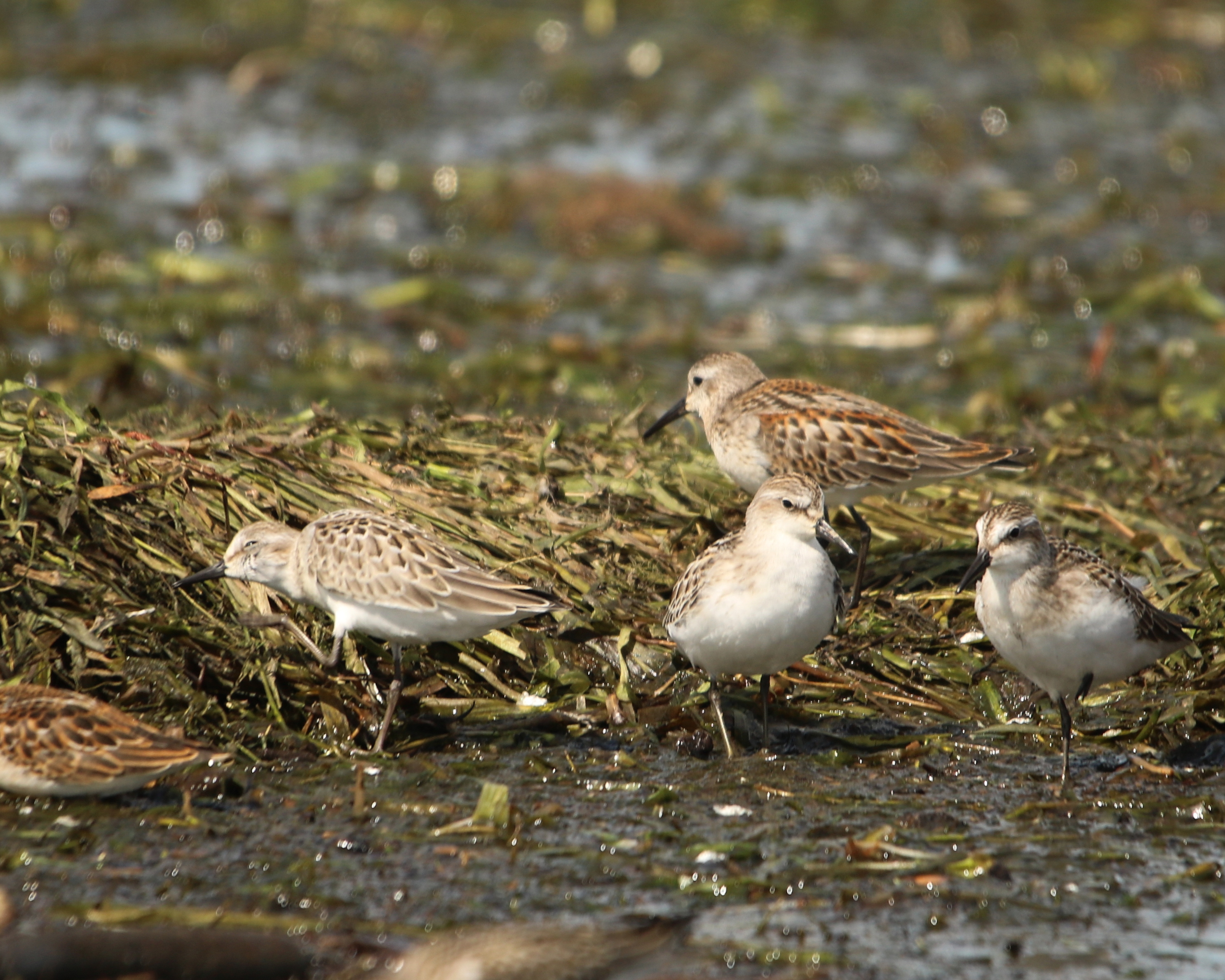
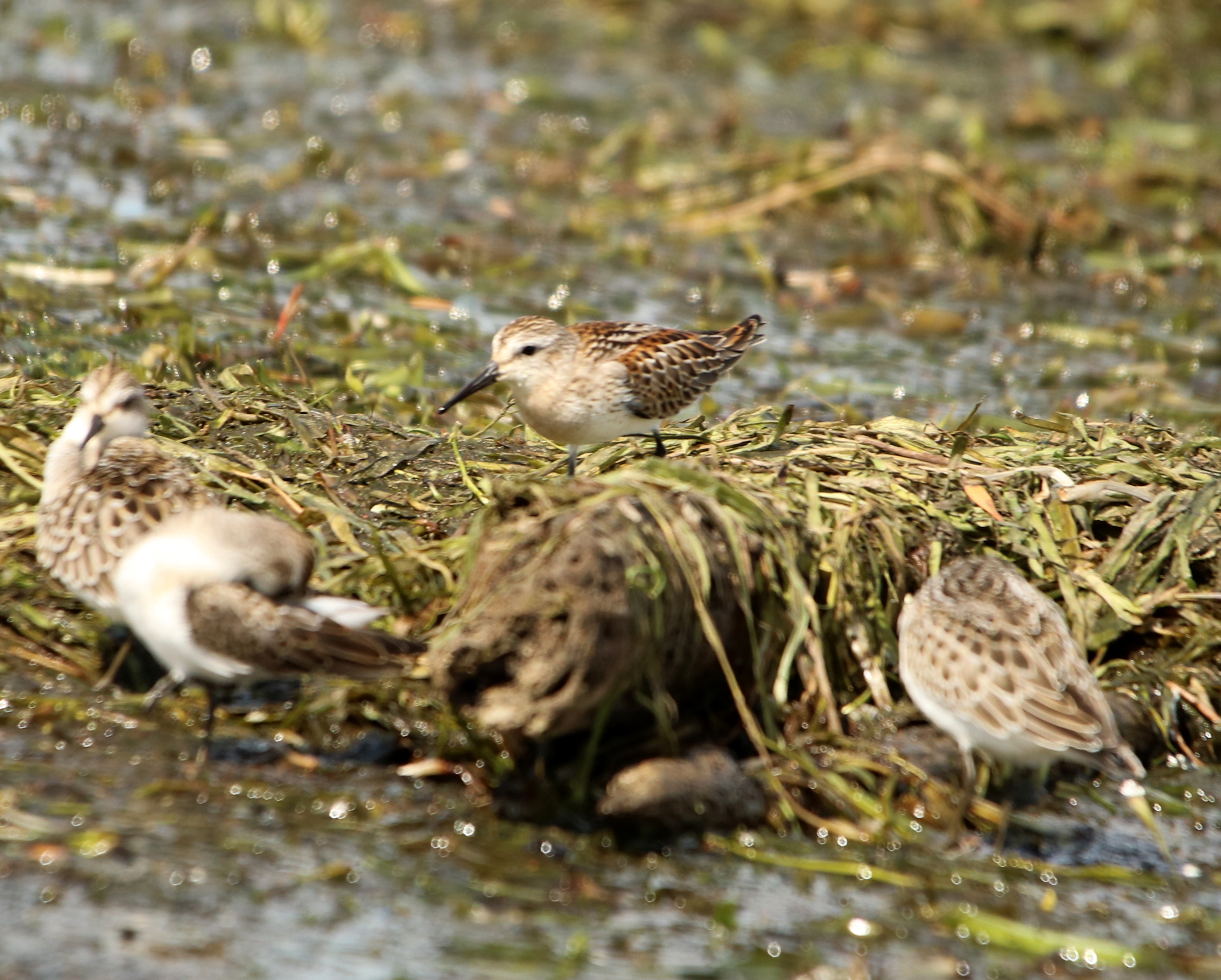
| Verbal Narrative & Description of Observation | We were scanning, using the scope, across the mudflats and saw this bird, which just looked different. Initially, I thought it was a bit larger than the peeps but it may have just been standing taller. the longer than expected bill and the coloring on the back led us to approach to study it more. It was a largish peep sized bird. The legs were black and the bill was black, longer than the other peeps and just a bit downward pointing. Not as downward as I expected but some. The breast of the bird was quite clear and white with just a bit of streaking on the sides of the neck. The back had the beautiful scaly pattern due to the light edges on the feathers, there was a very clear line of rufous scapular "scales" as well as some rufous on the wing tips. |
| Relative Size & Shape | Similar to SESA and LESA. I took a number of pictures and, as I measure the bird on my screen, compared to the LESA and SESA in the same pictures, both the overall length (base of bill to tip of tail) and the length of the bill are a bit longer than the SESA. |
| Head | The crown of the head was brown with just a bit of rufous. Generally clear cheeks. A tiny line from eye to bill. And a tiny pale rufous patch below eye (I didn't see this in person but I see it in photos) |
| Feet & Bill | Both feet and bill were black. The bill was a bit longer and more downward than nearby SESA . I thought this was the case in my observations. Measurements in photos, if I have done them correctly, confirm this. |
| Upper Back | Scaly appearing feathers, many gray and brown. A bit of rufous color in the nape and a definite line of rufous in the scapulars. |
| Lower Back & Rump | Continued rufous line (see above) and a bit on the wing tips nut largely gray/brown. |
| Wings | Did not see it fly. |
| Breast, Belly, Flanks, Under Tail Coverts | Breast, belly , flanks were generally clean and white. Some streaking on upper flanks and side of neck. |
| Tail | I am not sure that I noticed anything about the tail. |
| IMPORTANT: What similar species were eliminated when making the identification and how was this bird different? | I first assumed that the bird was a LESA or SESA. It was a bit larger. It had a slightly downcurved bill (LESA) but black legs (SESA). I also thought the bill was too long for a SESA. The distinctive coloration on the back could be SESA but it looked too different to me. |
| Other Notes & Comments | This refers to question below. My report was written from memory and from studying the pictures I took. Since I discussed the bird and the observations extensively with my partner during birding, the memory was good. |
| This report was written from notes taken: | Written from Memory |
Vermont Atlas of Life Partners