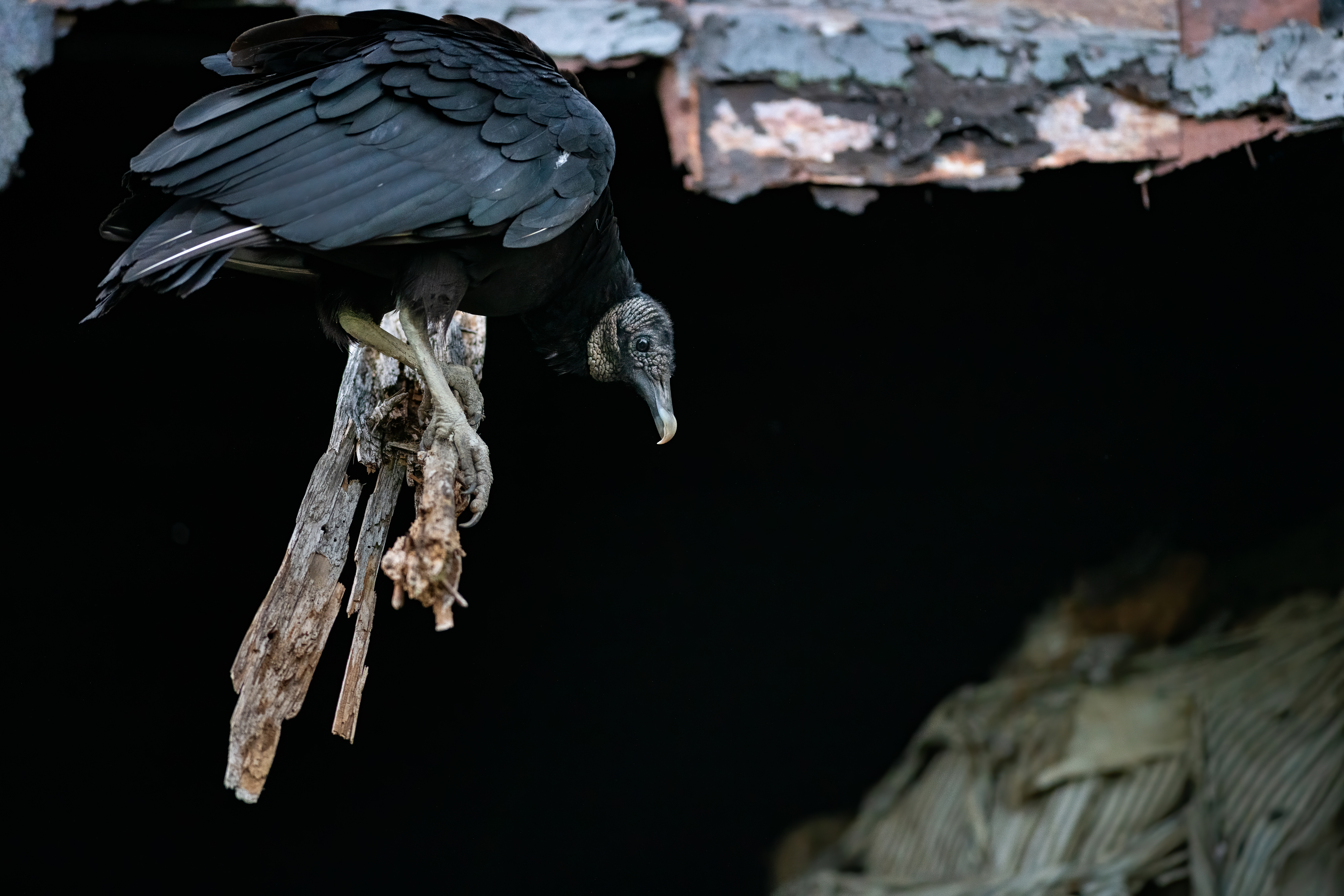
| Common Name | Black Vulture |
|---|---|
| Scientific Name | Coragyps atratus |
| Type of Report | Rare Nesting Species |
| Date of Observation | 06/26/2020 |
| Media | |
| Number Observed | 3 |
| Reporting Observer's Name | Kyle Tansley |
| Mailing Address | 87 LITTLE EAGLE BAY BURLINGTON, VT 05408 United States Map It |
| Email hidden; Javascript is required. | |
| Date Completed | 07/12/2020 |
| Names & Emails of Other Contributing Observers | Cynthia Crowley (first sighted copulating Vultures) |
| Latitude of Observation (enter 0 if unable to provide) | 44.483058 |
| Longitude of Observation (enter 0 if unable to provide) | -73.210637 |
| Place Name | Barn in Cynthia's back lot |
| Township | Burlington |
| County | Chittenden |
| Vermont eBird Checklist URL | ebird.org |
| Time of Day | 05:45 PM |
| Length of Time Observed | 1 hr |
| Maximum Estimated Distance from Bird (in feet) | 100 |
| Minimum Estimated Distance from Bird (in feet) | 8 |
| Optical Equipment Used for Observation | Photos taken with Nikon 300mm f/2.8 attached to D850. |
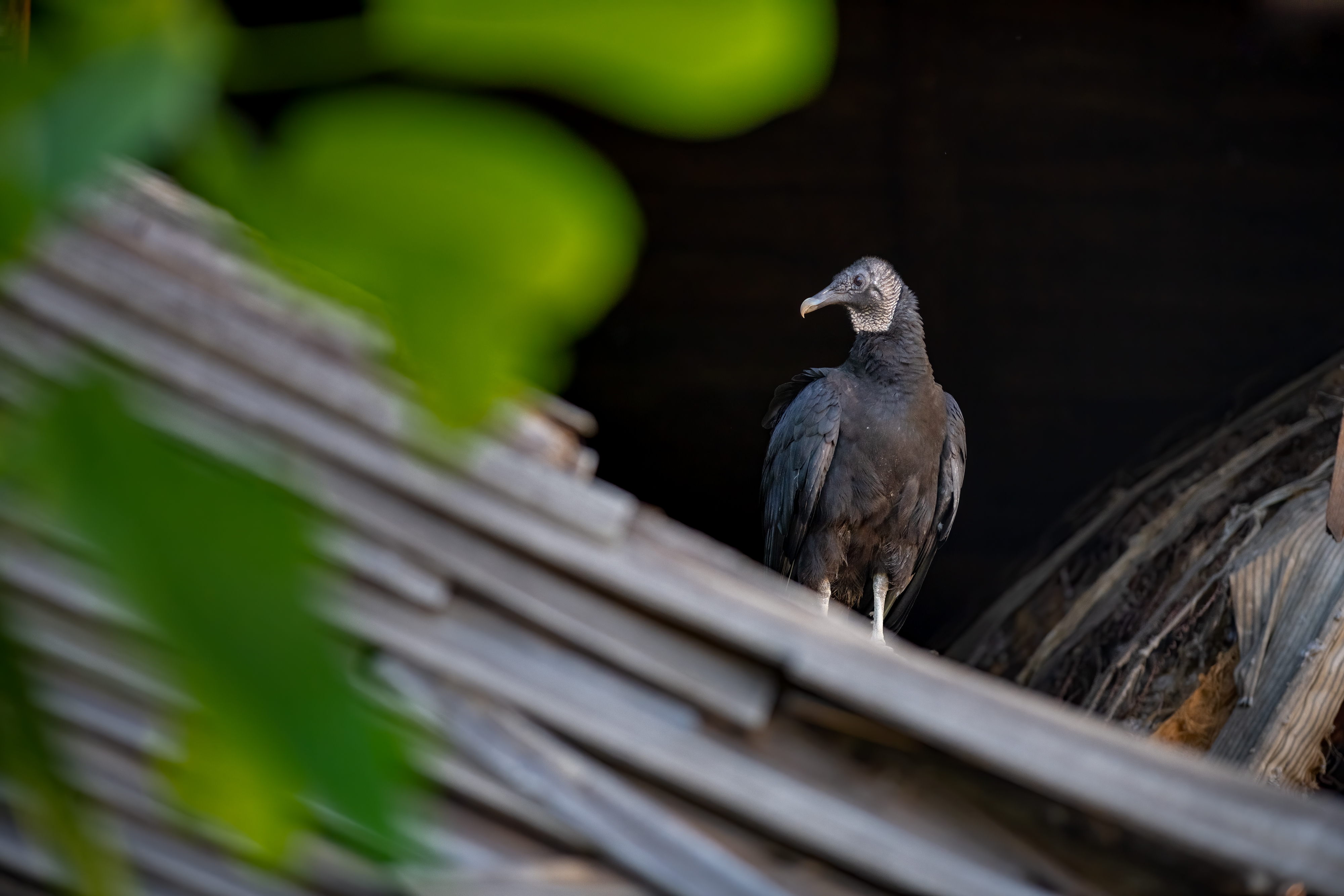
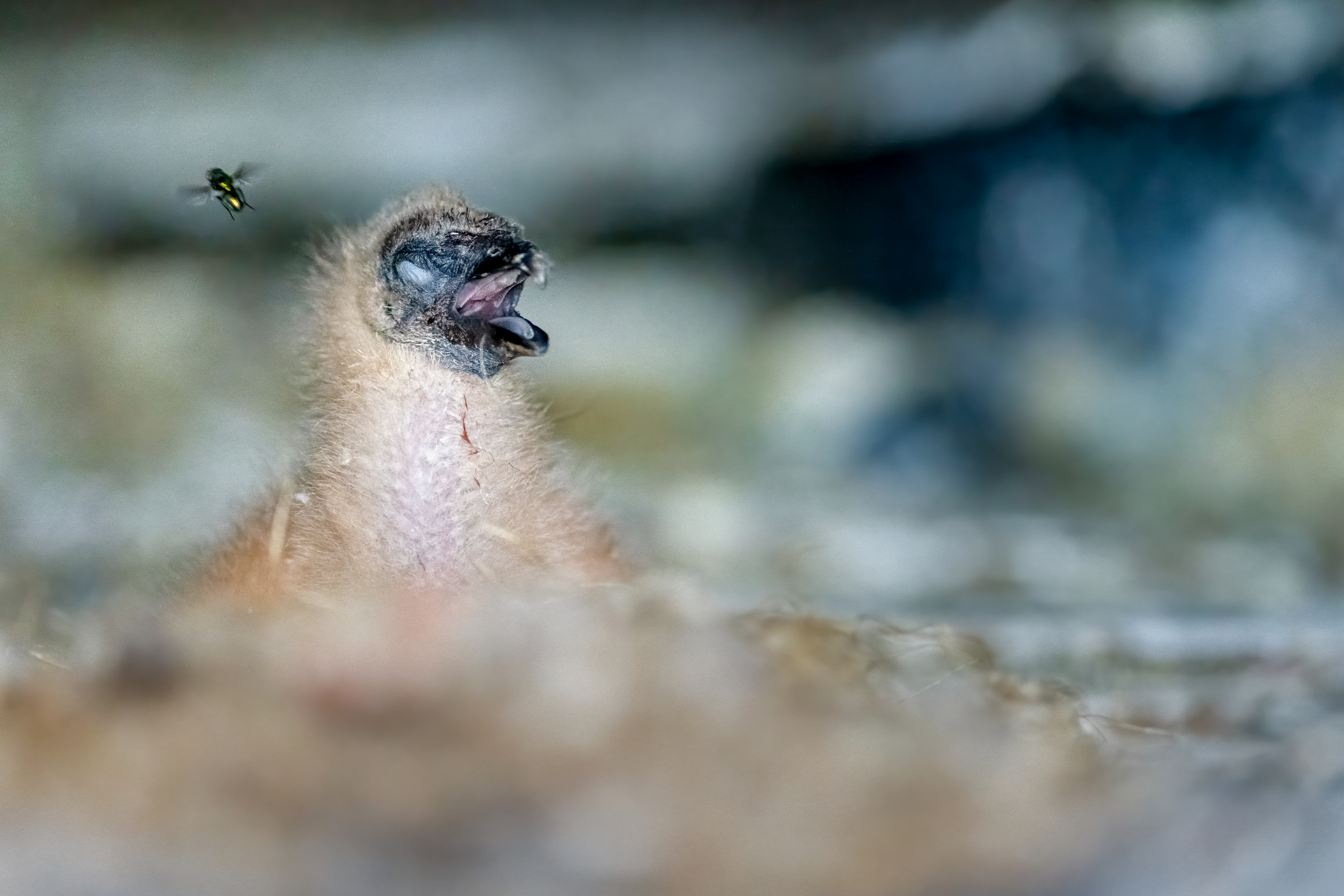
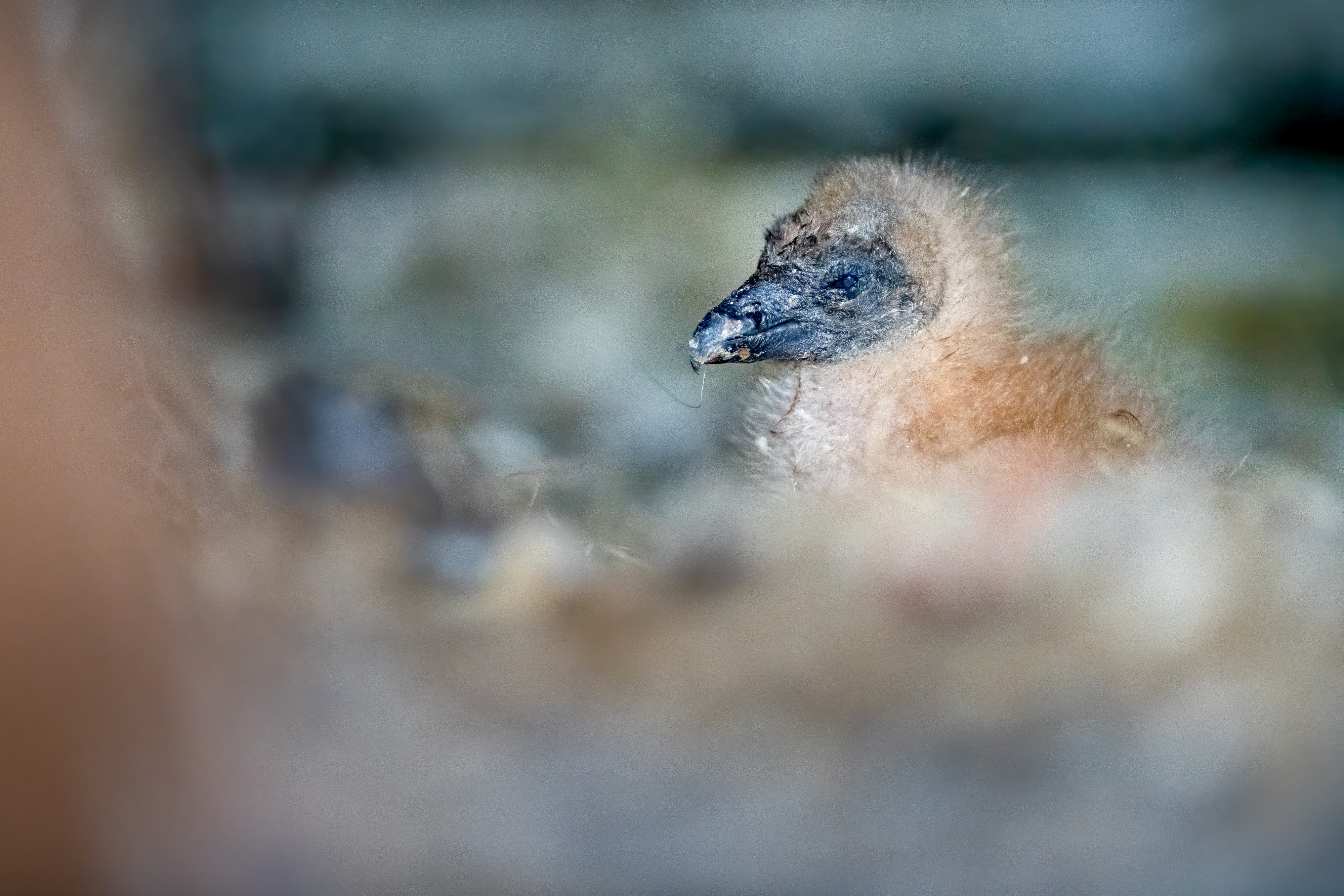
| Observer’s Previous Acquaintance With This or Similar Species | Cynthia first spotted the adult Black Vultures in late April and had been watching them ever since. I had not previously seen Black Vultures, but I was the first to see the chick in the "nest". |
| I certify that any attachments included with this report were captured during this observation event. | |
| Description of Habitat | Dilapidated barn in the back lot of apartment buildings in the Old North End in Burlington. Barn is missing some of its roof/wall, where the birds enter. |
| Behaviors Observed | Vultures observed copulating in late April and early May. |
| Description of Vocalizations | A low, raspy hiss. Vocalization only heard when Adult is agitated. |
| Verbal Narrative & Description of Observation | Kyle's notes: Cynthia's historical notes: |
| Relative Size & Shape | Chick was very small when first seen, probably the length of a cell phone and maybe half that height. Several folks estimated it to be around 2-3 weeks at that time, based on the photos. |
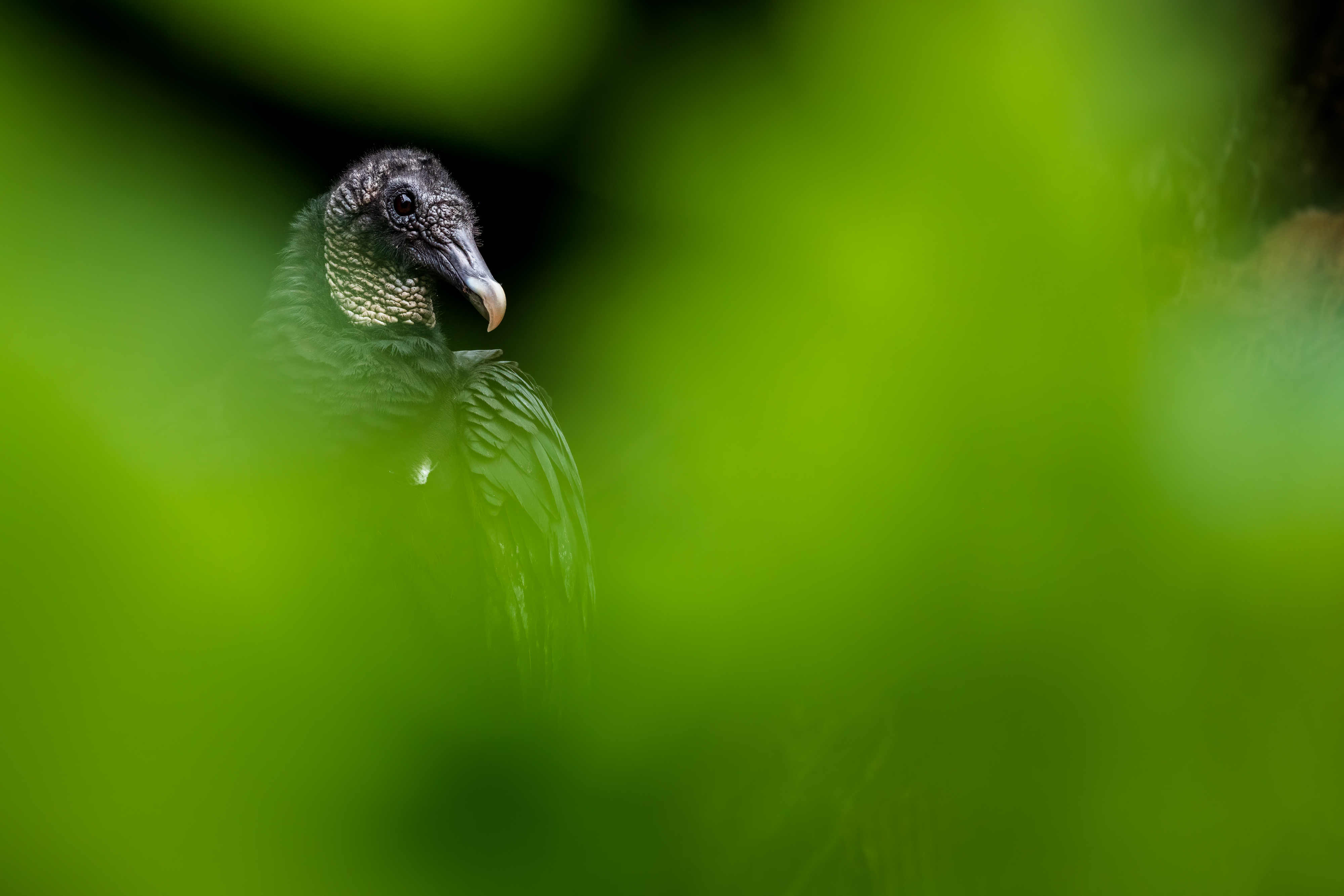
| IMPORTANT: What similar species were eliminated when making the identification and how was this bird different? | The adults are clearly different from Turkey Vultures, as these vultures have a fully black face and no nostril holes. |
| Other Notes & Comments | Making this report specifically for the sighting of the chick (date & time), but including all of the notes and content we have around that. Please reach out for clarification on anything that we didn't make clear. This whole ordeal was really something... |
| This report was written from notes taken: | Written from Memory |
Vermont Atlas of Life Partners