| Common Name | Western Meadowlark |
|---|---|
| Scientific Name | Sturnella neglecta |
| Type of Report | Rare Species |
| Date of Observation | 07/28/2019 |
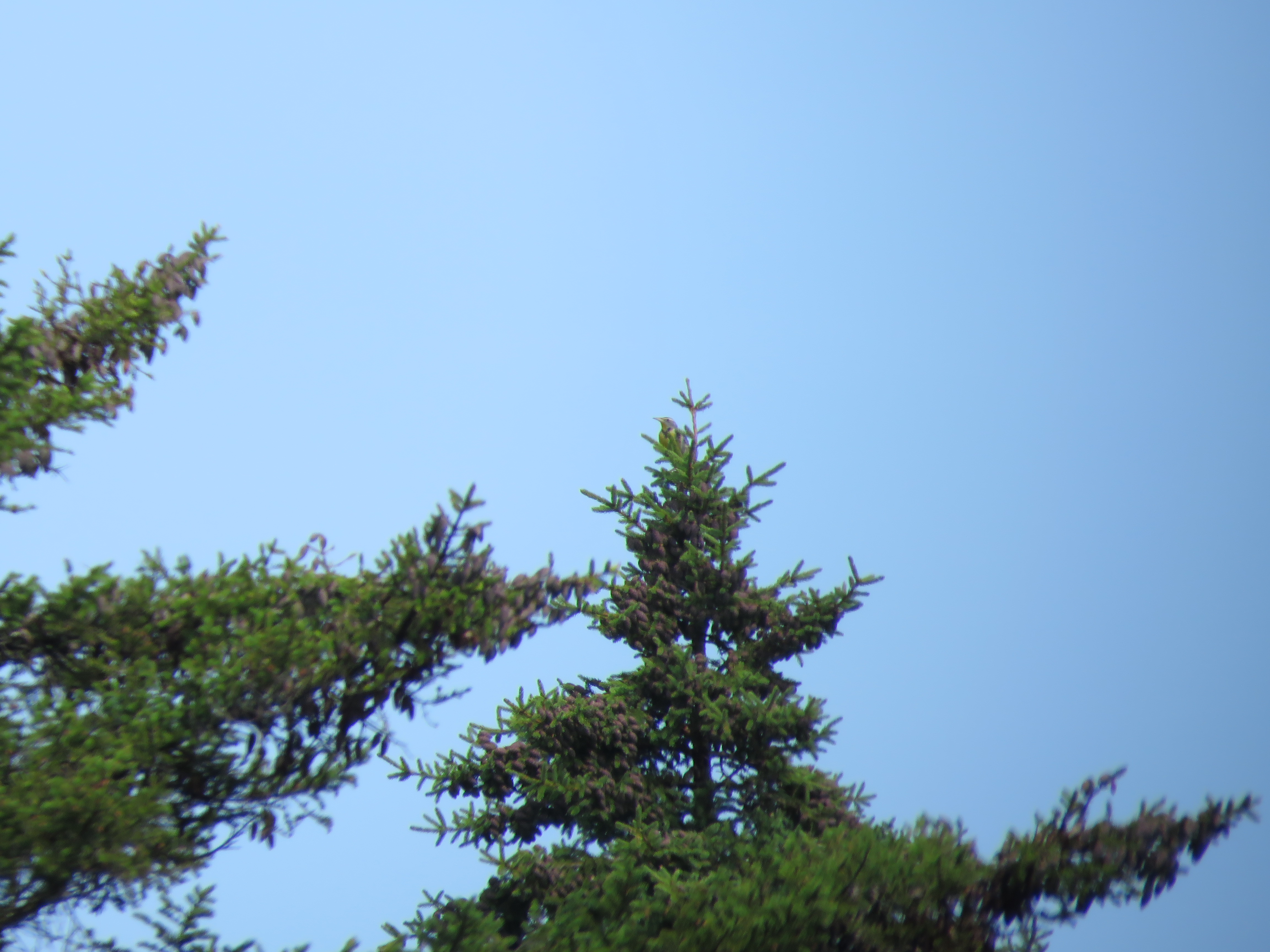
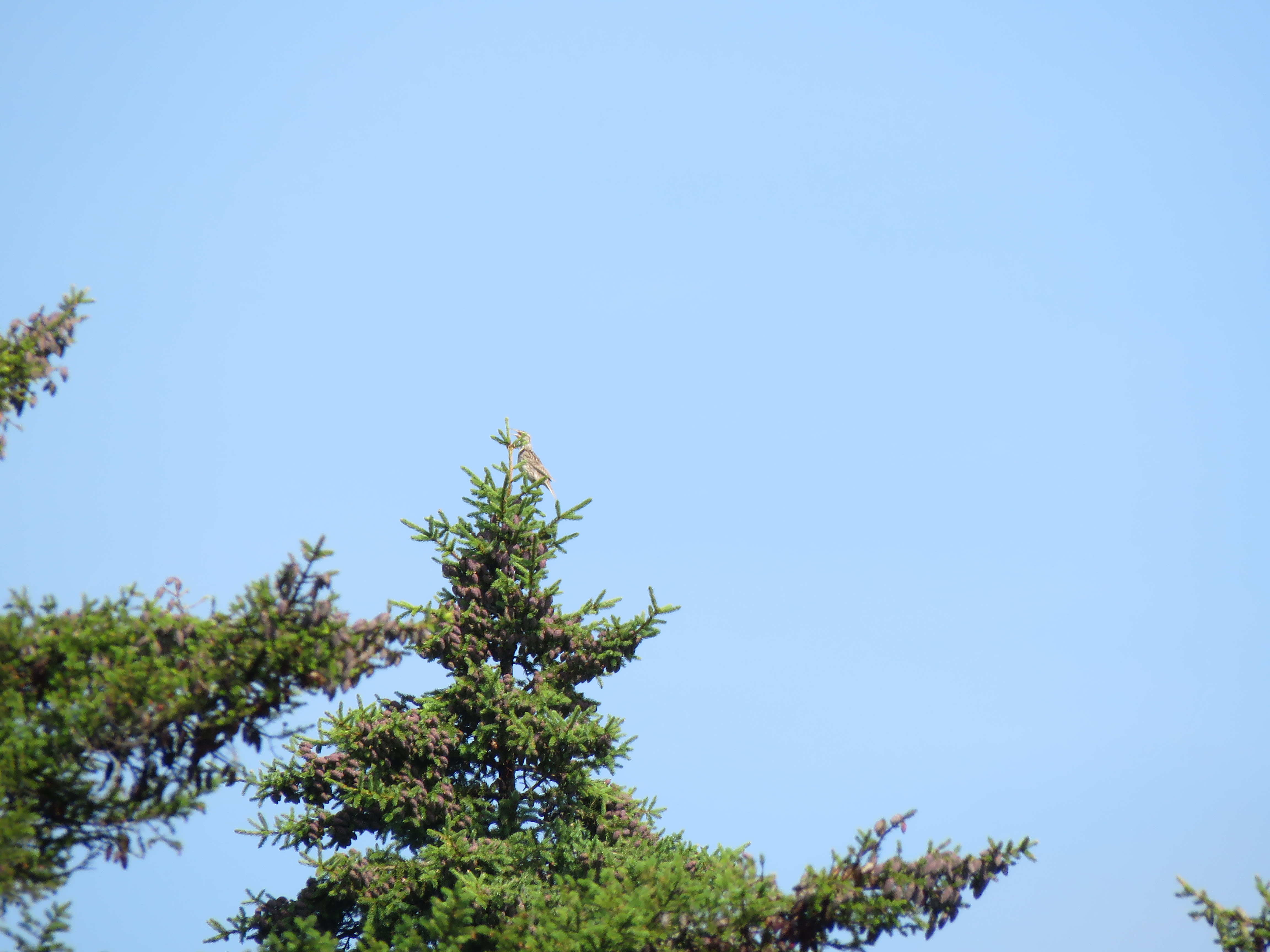
| Media | |
| Number Observed | 1 |
| Reporting Observer's Name | Jim Mead |
| Mailing Address | 798 Metcalf Drive Williston, VT 05495 United States Map It |
| Email hidden; Javascript is required. | |
| Date Completed | 10/12/2019 |
| Latitude of Observation (enter 0 if unable to provide) | 44º45'50.4"N |
| Longitude of Observation (enter 0 if unable to provide) | 71º44'21.9"W |
| Place Name | Moose Bog, Wenlock WMA |
| Township | Ferdinand |
| County | Essex |
| Vermont eBird Checklist URL | ebird.org |
| Time of Day | 09:48 AM |
| Length of Time Observed | 10-12 minutes |
| Maximum Estimated Distance from Bird (in feet) | 350' |
| Minimum Estimated Distance from Bird (in feet) | 8' |
| Noteworthy Weather Conditions | 66ºF, clear blue skies And little to no wind. |
| Optical Equipment Used for Observation | Zeiss Victory SF 10x42 |
| Observer’s Previous Acquaintance With This or Similar Species | In VT I saw a Western Meadowlark in Charlotte on 7/9/2015. I have also seen some of them out west. This is the only time that I've ever heard the call note of a Western Meadowlark and my recording of its' "chup" note is what I am using to ID this bird. |
| I certify that any attachments included with this report were captured during this observation event. | |
| Description of Habitat | Swampy area at the bottom of the hill, coming from the parking area at the beginning of South America Pond Road. |
| Behaviors Observed | Initially, I saw the bird in flight and recognized it as a Meadowlark due to its' level flight, yellow underparts and white outer tail feathers. |
| Description of Vocalizations | "Chup" calls heard. |
| Verbal Narrative & Description of Observation | Bird first seen at 9:47 a.m. It flushed from the western end of the open area at the bottom of the hill while heading west from the parking area. It was on the south side of the road and flew east until it got to the eastern end of that same open area and touched down about 6’ from the edge of the road yet was still on the south side of the road. I walked toward it and it flushed again crossing the road and alighting on the top of a conifer on the north side of the road. It must have decided that it was still too close to me because it then flew to the top of a different conifer a bit farther away from me. I played a recording of an Eastern Meadowlark and received no response. However, when I played a recording of a Western Meadowlark, it immediately responded with a few “chup” call notes. I then played a recording of a few chup notes and it countered with some more chup notes. I made a recording of 3 such notes. The bird never came closer to me but did fly downward when a Merlin flew from the south side of the road heading directly towards it. I did not see or hear it again after that. I also took a few long distance photos. I am IDing this bird as a Western Meadowlark mostly because of its’ “chup” call notes. An Eastern Meadowlark does not have a chup note in its’ reportoire. It has a “zeet” or "zert" call note. |
| Relative Size & Shape | Slightly larger and chunkier than a Blue Jay, with a shorter tail. |
| Head | According to my pictures, a light brown colored head, cheeks, nape and crown. Dark eye and yellow throat. |
| Feet & Bill | Feet and legs not visible in photos. Bill is strong, pale colored and dagger like. |
| Upper Back | The upper back was brownish colored with darker stripes going from mantle to rump area. |
| Lower Back & Rump | Lower back and rump were brownish colored. |
| Wings | Wings were brownish colored and did not come to a point at the tips. |
| Breast, Belly, Flanks, Under Tail Coverts | The breast was yellow with a black V. The belly and flanks appeared whitish. The flanks also showed some spotting and streaks. |
| Tail | The tail was brownish with white outer tail feathers. I did not get a look at the details of the tail which would have been nice as that is also considered a diagnostic way to separate the two species. |
| IMPORTANT: What similar species were eliminated when making the identification and how was this bird different? | The choice was between Eastern or Western Meadowlarks. The "chup" call notes heard were the key to IDing this bird as a Western Meadowlark. It is considered to be diagnostic as compared to the Eastern Meadowlark call notes. The Eastern does not have a "chup" note. |
| Other Notes & Comments | Not sure. I selected- during the Observation below because I took pictures and made a recording during the observation. However, I did use the photos to help with some of the field marks. |
| This report was written from notes taken: | During the Observation |
Vermont Atlas of Life Partners