| Common Name | Western Sandpiper |
|---|---|
| Scientific Name | Calidris mauri |
| Type of Report | Rare Species |
| Date of Observation | 09/02/2019 |
| Media | |
| Number Observed | 1 |
| Reporting Observer's Name | Theodore Murin |
| Mailing Address | 71 Irish Cove Road South Burlington, VT 05403 United States Map It |
| Email hidden; Javascript is required. | |
| Date Completed | 09/03/2019 |
| Names & Emails of Other Contributing Observers | Discovered earlier in day at this location by Jim Mead and Henry Trombley. Observed with Stacy Robinson of Port Henry, NY, email unknown. |
| Latitude of Observation (enter 0 if unable to provide) | 44.1118 |
| Longitude of Observation (enter 0 if unable to provide) | -73.3422 |
| Place Name | Farrell Access to Dead Creek WMA |
| Township | Addison |
| County | Addison |
| Time of Day | 12:52 AM |
| Length of Time Observed | roughly 5 minutes |
| Maximum Estimated Distance from Bird (in feet) | 300 |
| Minimum Estimated Distance from Bird (in feet) | 200 |
| Noteworthy Weather Conditions | Overcast with an accommodating pause in periodic rain showers; 65-70 degrees Fahrenheit with light south wind |
| Optical Equipment Used for Observation | Swarovski 60mm HD spotting scope with 20-60x eyepiece |
| Observer’s Previous Acquaintance With This or Similar Species | Have observed many thousands, primarily in Florida |
| I certify that any attachments included with this report were captured during this observation event. | |
| Description of Habitat | Mud flat in small cove of Dead Creek |
| Behaviors Observed | Peacefully foraged on mud flats with small flock of roughly 40 Semipalmated and Least Sandpipers. Relocated a few times closer to oberserver until a Northern Harrier strafed the group, chasing off roughly 25 of the birds including this one. |
| Description of Vocalizations | None heard that could be exclusively attributed to this individual |
| Verbal Narrative & Description of Observation | Observed this bird feeding with a flock of roughly 40 Semipalmated and Least Sandpipers. This bird relocated with short flights several times, moving closer to the observer. A young Northern Harrier subsequently flew low at the flock, scaring them all into flight. Though some of the flock returned, the majority, including this bird, headed south. |
| Relative Size & Shape | Small "peep" sized and shaped shorebird, slightly larger than adjacent Semipalmated Sandpipers and appearing slightly taller |
| Head | Relatively light face, darker gray crown, dark eyes, white throat, nape not noted |
| Feet & Bill | Black legs, appearing slightly longer than adjacent Semipalmateds', toes not noted; long black, slightly drooping bill was also more pointed than Semipalmateds' bills |
| Upper Back | Dark with some reddish |
| Lower Back & Rump | not noted |
| Wings | Generally gray and dark; primary extension reaching about same as tail |
| Breast, Belly, Flanks, Under Tail Coverts | Belly, flanks, undertail coverts and front of breast white (distinguishing from dull breasts of juvenile Semipalmateds) |
| Tail | not noted |
| IMPORTANT: What similar species were eliminated when making the identification and how was this bird different? | Distinguished from adjacent Semipalmated Sandpipers by slightly larger size; longer, more drooped and pointed bill; red (and black) upper scapulars cleanly distinguished from surrounding gray by white "line" below them; reddish on upper back; clean white front of breast; relatively lighter face; overall more gray than grayish brown bird. Distinguished from White-rumped Sandpiper by size only slightly larger than Semipalmateds; primary and tail extension similar; clean white breast; generally more pudgy shape rather than streamlined. Distinguished from Red-necked Stint by longer bill, white front of breast, and size slightly larger than Semipalmateds. Plumage as described distinguished as juvenile. |
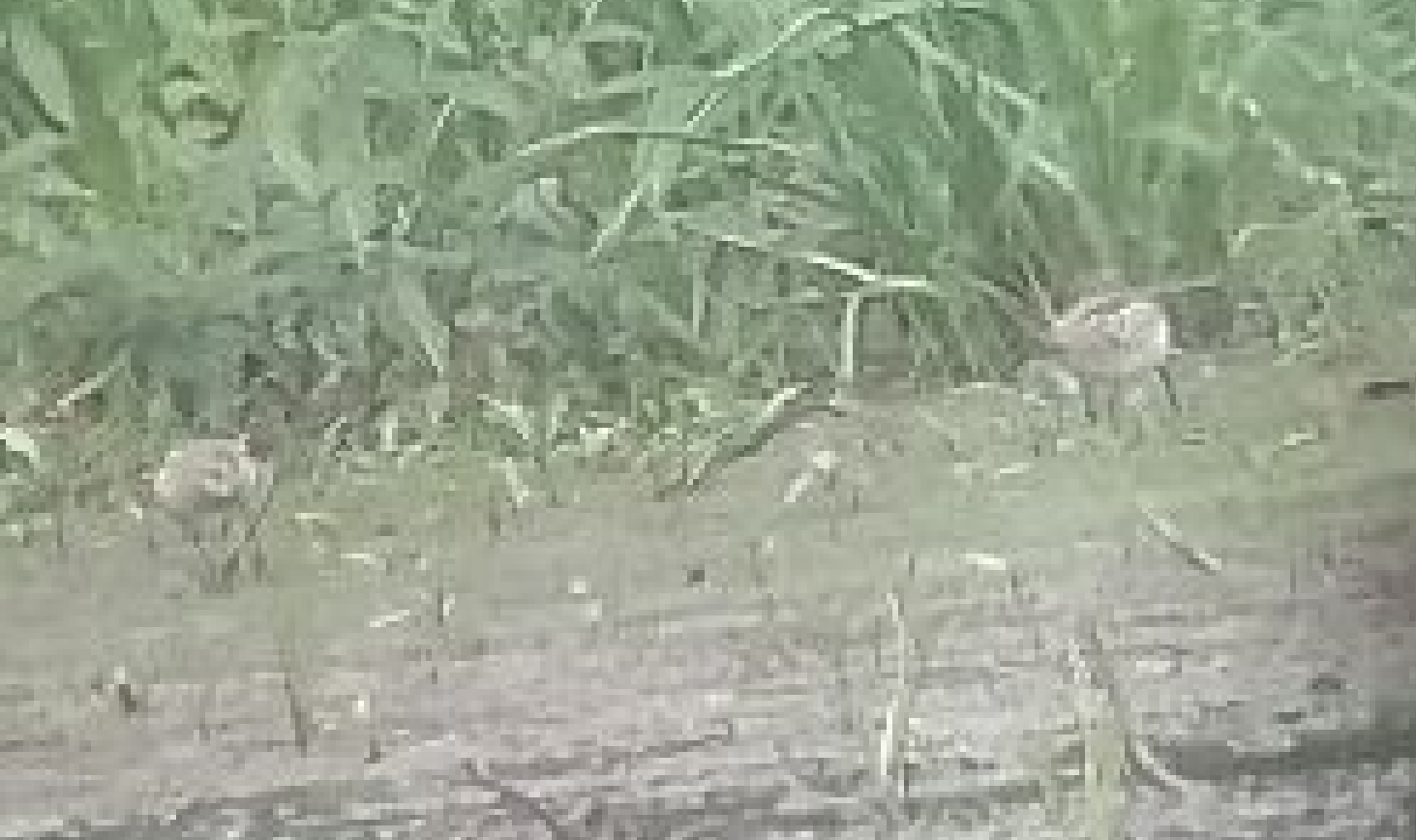
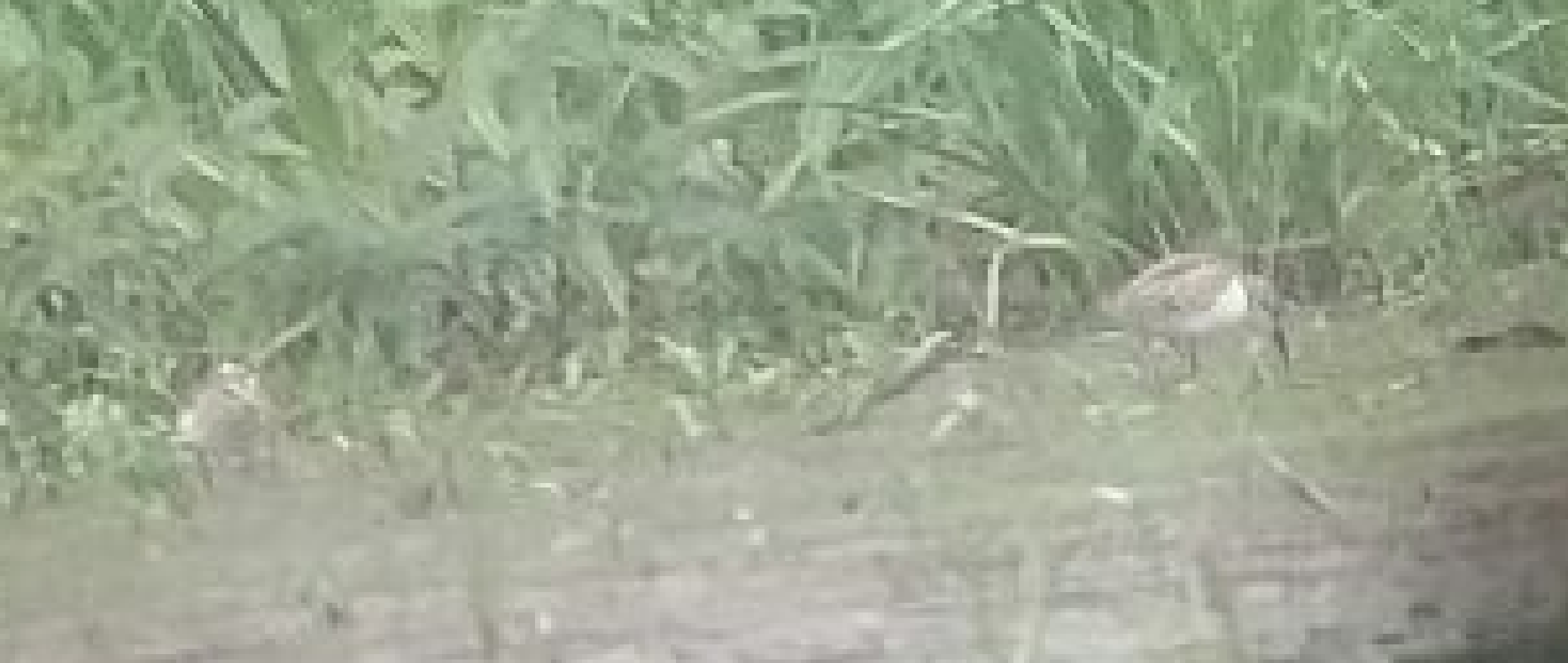
| Other Notes & Comments | Unreasonably poor quality photos attached, taken with phone "camera" through scope before a Northern Harrier chased off most of the shorebirds including this one (and before opportunity to wield an actual camera). Although atrocious quality, a few important features of reality are reflected in these photos of the Western on the right and a Semipalmated Sandpiper on the left. First the bill can be seen to be relatively long, drooping, and pointed. Second the bird appears slightly larger and longer legged than the Semipalmated. Also the red (and black) upper scapulars can be seen as a dark strip with a white border below them and clearly distinguished from gray feathers below. Also the clean white front of the breast is somewhat apparent. |
| This report was written from notes taken: | Written from Memory |
Vermont Atlas of Life Partners