| Common Name | Indigo Bunting |
|---|---|
| Scientific Name | Passerina cyanea |
| Type of Report | Out-of-Season |
| Date of Observation | 11/24/2018 |
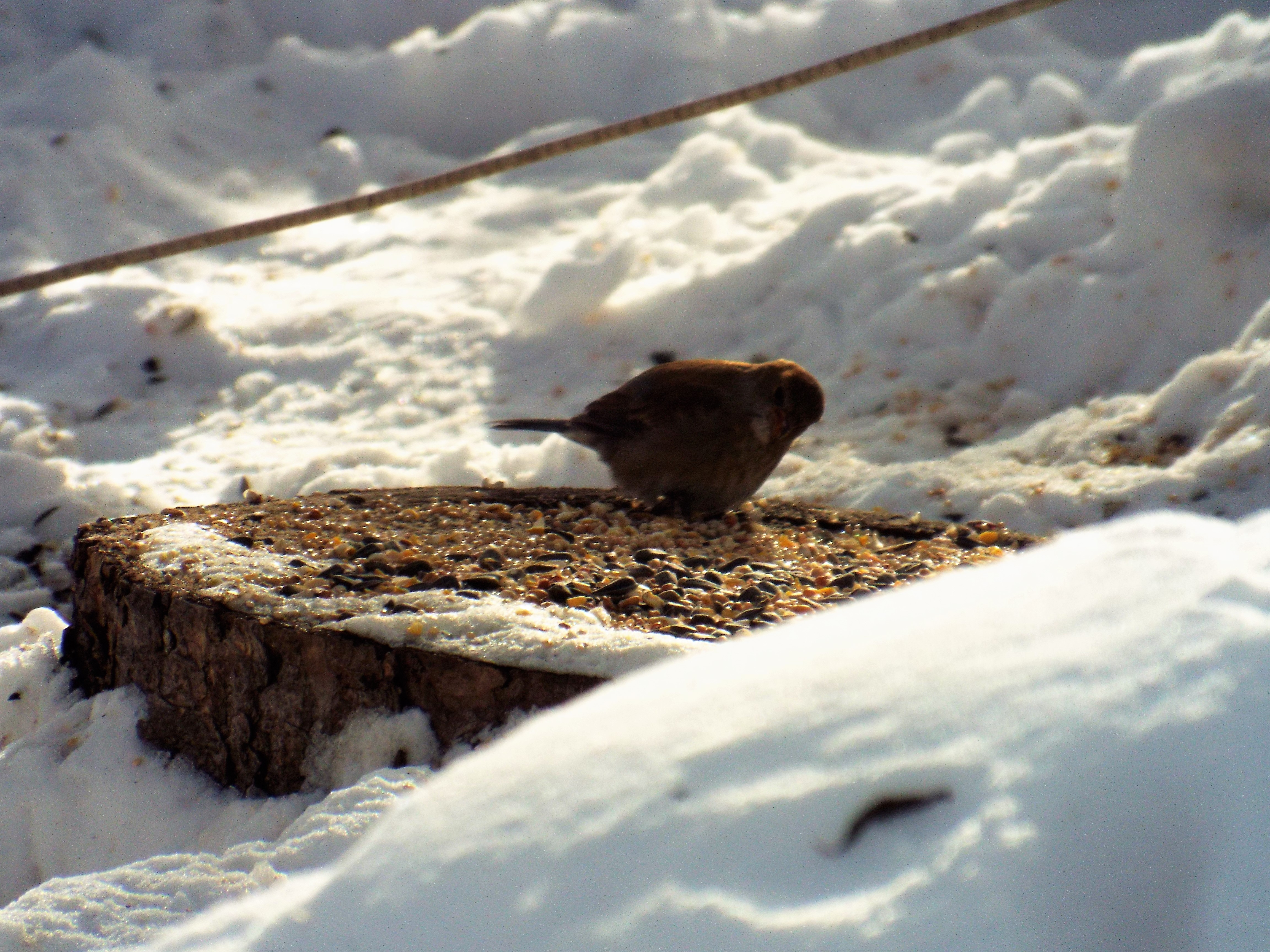
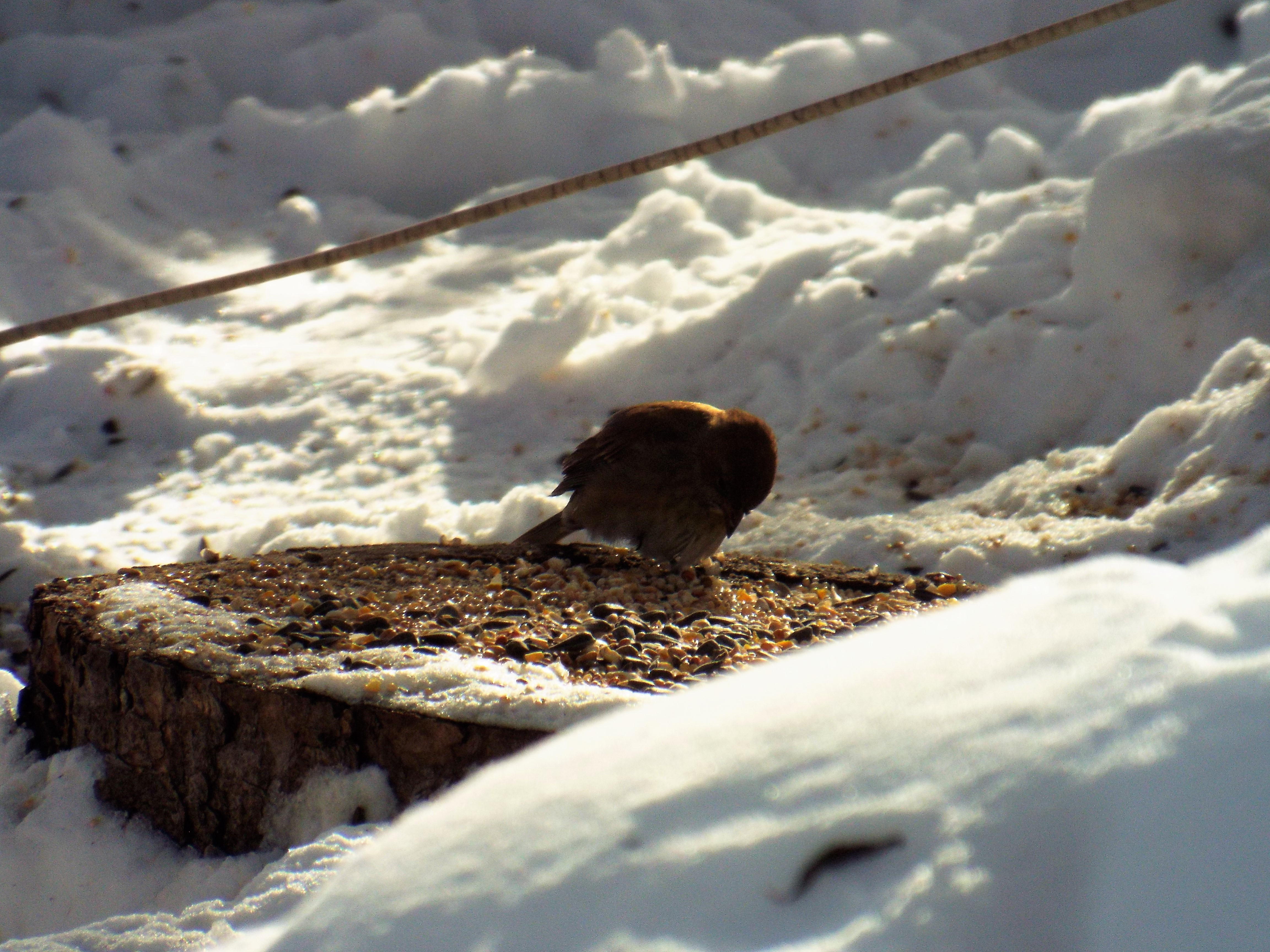
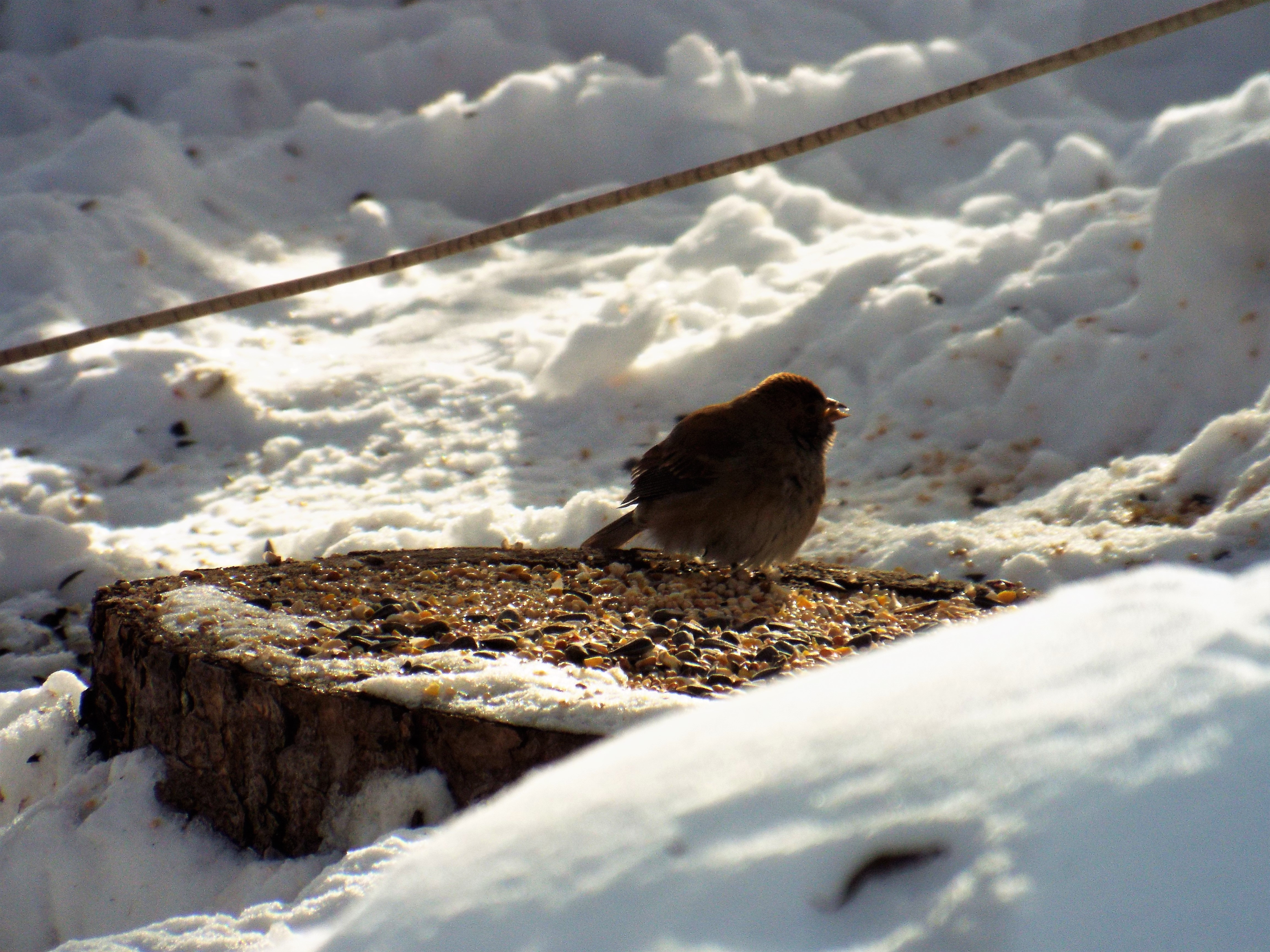
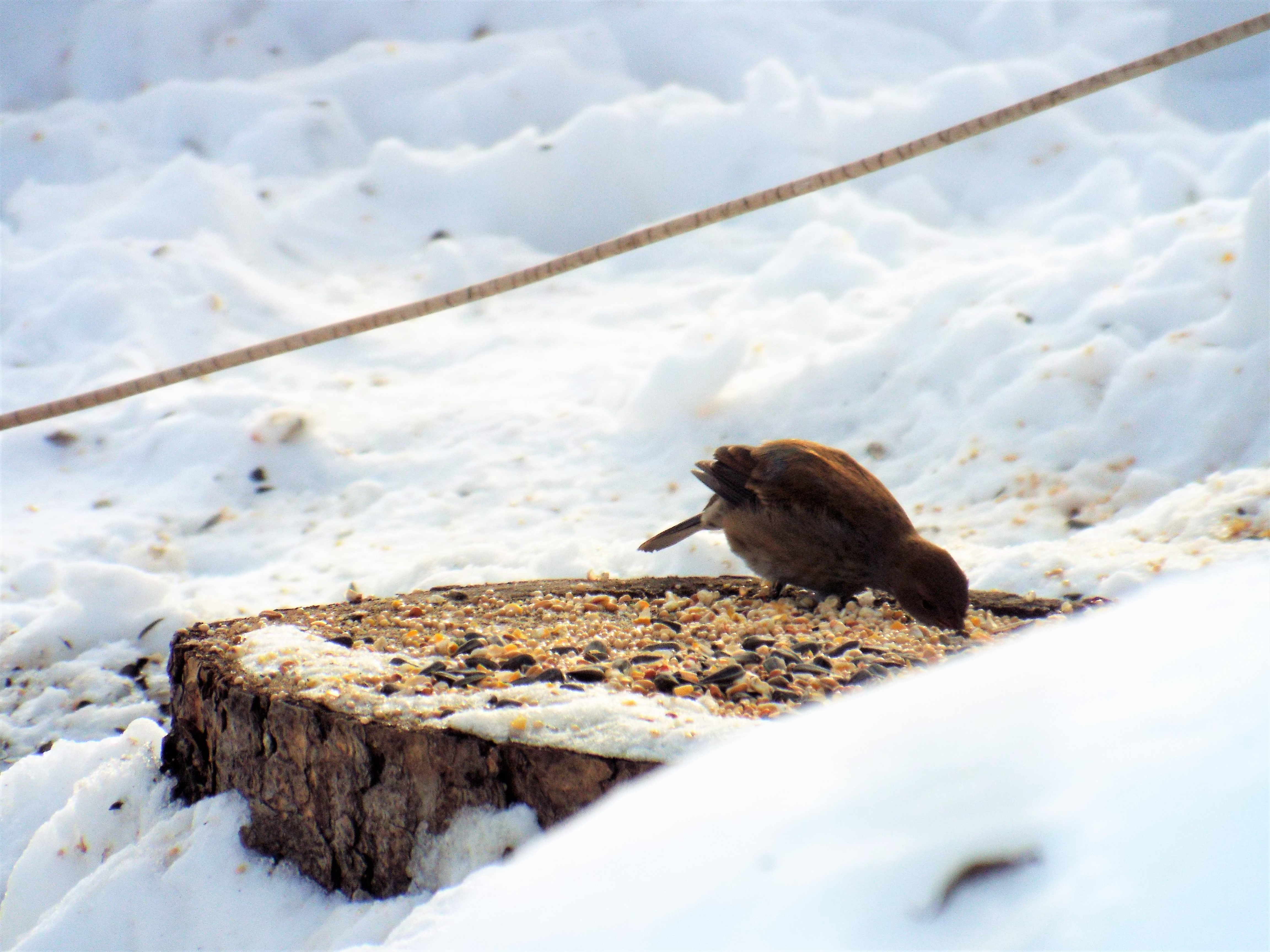
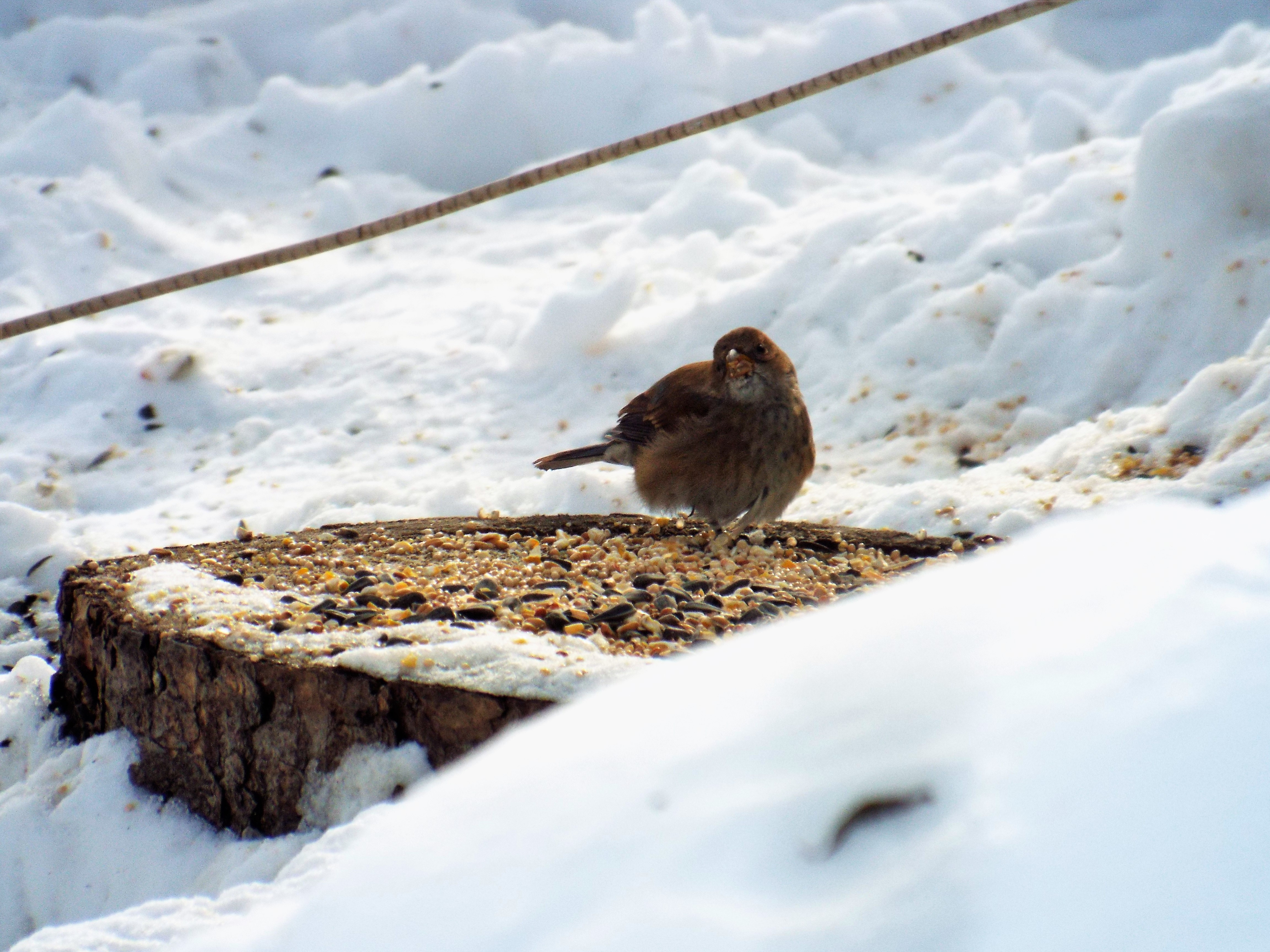
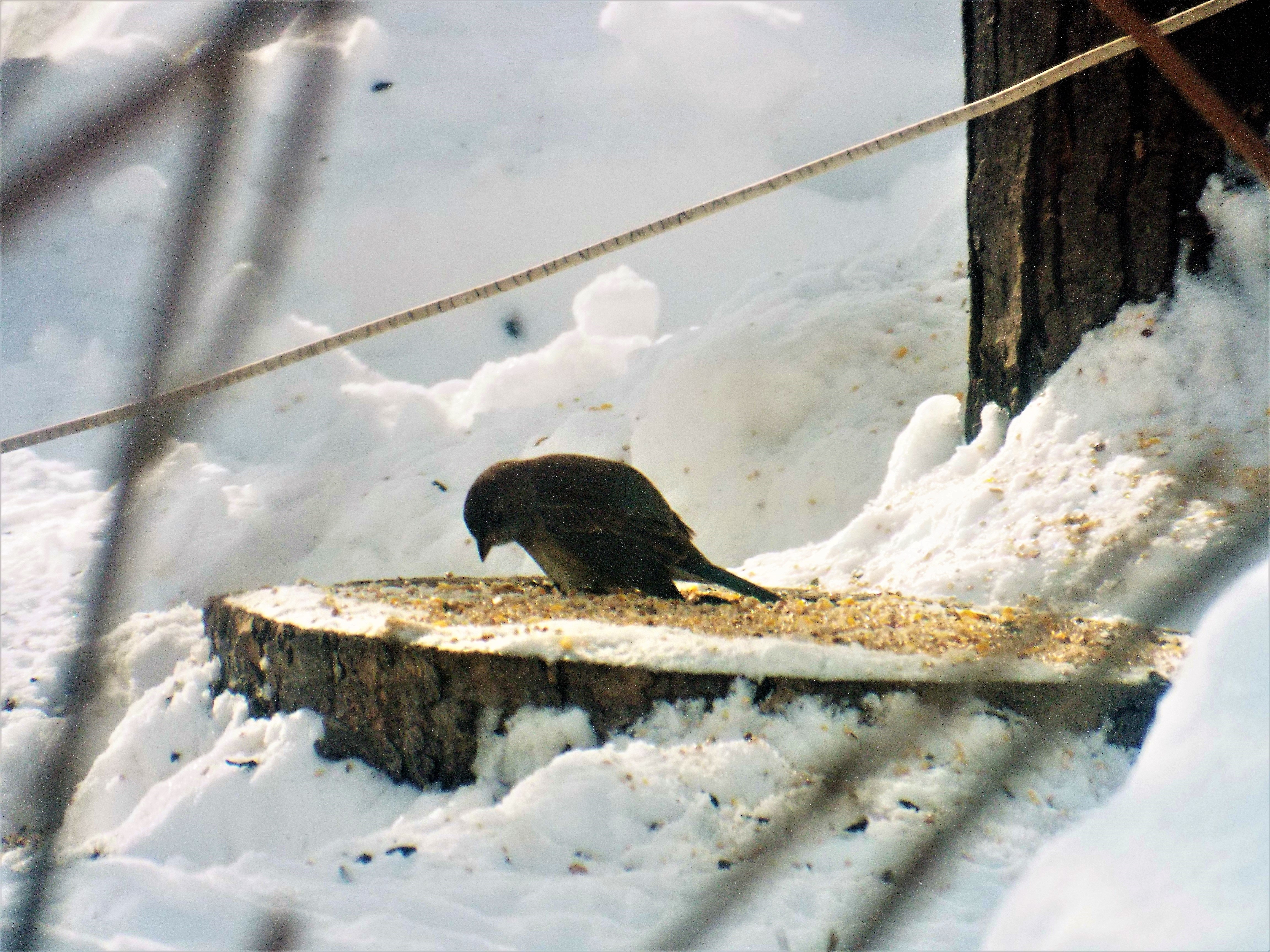
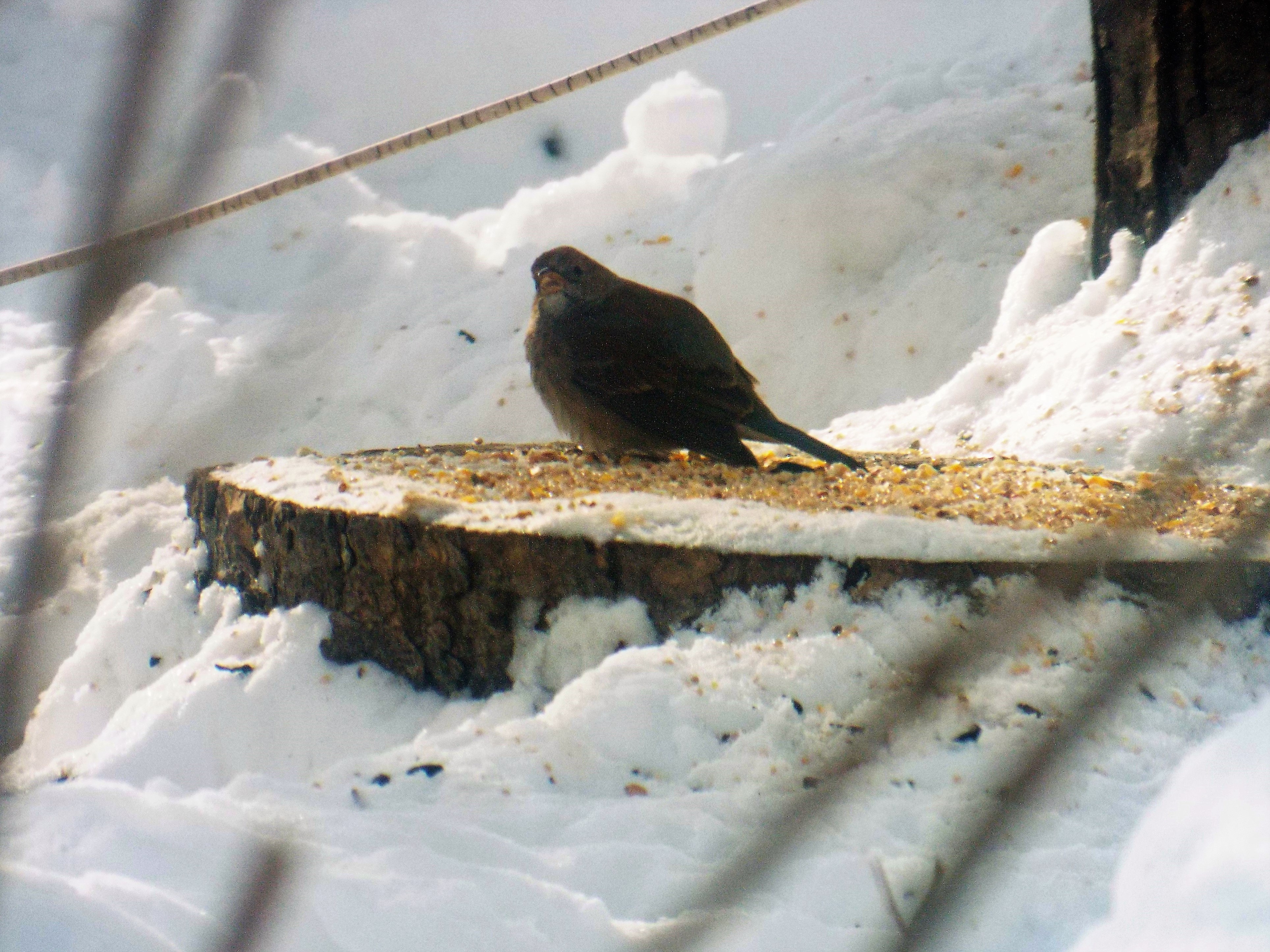
| Media | |
| Number Observed | 1 |
| Reporting Observer's Name | Cindy Grimes |
| Mailing Address | 82 Church Hill Road P.O. Box 196 Websterville, Vermont(VT) 05678 United States Map It |
| Email hidden; Javascript is required. | |
| Date Completed | 11/27/2018 |
| Names & Emails of Other Contributing Observers | N/A |
| Latitude of Observation (enter 0 if unable to provide) | 44.156933 |
| Longitude of Observation (enter 0 if unable to provide) | -72.472546 |
| Place Name | Observer's Residence |
| Township | Websterville |
| County | Washington |
| Time of Day | 11:45 AM |
| Length of Time Observed | 2 hours 15 minutes |
| Maximum Estimated Distance from Bird (in feet) | 30 feet |
| Minimum Estimated Distance from Bird (in feet) | 25 feet |
| Noteworthy Weather Conditions | 25-30 degrees F over the observation time period. Light south wind, mostly cloudy with occasional sun. ~ 1 foot of "old" snow on the ground. |
| Optical Equipment Used for Observation | Fuji-Film Finepix autoshoot "point and shoot" camera, 16 mps, 42x optical zoom |
| Observer’s Previous Acquaintance With This or Similar Species | Living in NC for 25 years, I saw indigo buntings frequently while birding and occasionally in my yard. After moving to Vermont 6 years ago, I have seen at least a pair in my yard at feeders every spring into early summer. |
| I certify that any attachments included with this report were captured during this observation event. | |
| Description of Habitat | Yard with fruiting deciduous shrubs, crabapple tree, spent perennial beds, and surrounding maple trees. |
| Behaviors Observed | The only place I saw the bird was eating on the tree trunk which I place the mixed seed. He was the sole bird eating there each time I saw him. Unfortunately, I did not see him fly. He had a what-appeared-to-be injured right foot, as he was holding it up at times and would hop a little to change position while eating. I did not observe any interactions between other bird(s). Upon first sight without binocs, I honestly thought he was a white-throated or white-crowned sparrow, since the white throat patch was so obvious. After looking with binocs, I noticed his coloration was different than the aforementioned, so I took many pix of him during two different observation periods. |
| Description of Vocalizations | None heard. |
| Verbal Narrative & Description of Observation | I saw the bird eating mixed seed on a tree trunk three different time periods, one from ~11:40 AM - 12:00 PM, one from ~ 1:45 PM - 2:15 PM, and the last from ~ 4:25 PM - 4:40 PM (it was almost dark). I documented with pictures the first two times, since it was too dark the last time. He might have been there more often, but I was busy doing things in the house. All three times, I noticed he was holding up his right foot often and when he changed his eating position, he would hop. I tried to stay watching when he stopped eating and left the trunk, but I missed it each time. I wanted to see how his flight was and where he flew to, since he was obviously injured. Its behavior of staying in the same place for a long time, buff chest, tan wing bars, and eating alone was a flag that this bird might be atypical for here at this date. But it was only after putting my pix up on the computer Sunday night that I thought he was "different". On Monday, I emailed pix to my bird ID expert, Kyle Jones, who ultimately decided it was an Indigo Bunting. |
| Relative Size & Shape | Sparrow size, not too slender, as bird appeared to be "puffed up" for most of my observation time. The first time I saw it, it was turned to the side, but the other times I saw him he was facing frontward. |
| Head | Mostly buff-colored with faint brown streaking on chest. Prominent white throat patch, brownish head. Cone-shaped bill, which appeared to be pinkish. |
| Feet & Bill | Cone-shaped bill, which appeared to be pinkish. He appeared to have an injured right foot, as he would hold it up a times. |
| Upper Back | Did not get a good look at back, as he was facing mainly to the front. In a couple of the pix, the back appears to have some blue streaking. |
| Lower Back & Rump | Did not get a look at the back/rump. |
| Wings | Tan wing bars. Upon zooming in on pix, there appears to be a small amount of blue color near the wings on either side. |
| Breast, Belly, Flanks, Under Tail Coverts | Slightly streaked buff breast going down to belly and underside. Could not see tail coverts. |
| Tail | Not a long tail, fairly "short". Upon zooming in on a couple pix where tail was visible, tail appeared to have some blue streaking |
| IMPORTANT: What similar species were eliminated when making the identification and how was this bird different? | I initially thought bird was a white-throated or white-crowned sparrow, since white throat patch was prominent and size was comparable. Bird was also eating mixed seed on a piece of tree trunk I put seed on, where I've previously seen white-throats and song sparrows eat. Its behavior of staying in the same place for several minutes, buff chest, tan wing bars, and eating alone was a flag that this bird might be atypical for here at this date. |
| Other Notes & Comments | Possibly an immature? I have many more pictures available, if needed. I did not see the bird the next day (Sunday, 11/25). |
| This report was written from notes taken: | Written from Memory |
Vermont Atlas of Life Partners