| Common Name | Rough-legged Hawk |
|---|---|
| Scientific Name | Buteo lagopus |
| Type of Report | Out-of-Season |
| Date of Observation | 06/10/2018 |
| Media | |
| Number Observed | 1 |
| Reporting Observer's Name | G & B |
| Mailing Address | P.O. Box 995 West Rutland, Vermont 05777 United States Map It |
| Email hidden; Javascript is required. | |
| Date Completed | 11/18/2018 |
| Latitude of Observation (enter 0 if unable to provide) | 43.888926 |
| Longitude of Observation (enter 0 if unable to provide) | -73.210238 |
| Place Name | Stickney Road |
| Township | Whiting |
| County | Addison |
| Vermont eBird Checklist URL | ebird.org |
| Time of Day | 04:50 PM |
| Length of Time Observed | About 5 minutes |
| Maximum Estimated Distance from Bird (in feet) | 1000+ |
| Minimum Estimated Distance from Bird (in feet) | 50 |
| Optical Equipment Used for Observation | Canon PowerShot SX40 HS (35x optical zoom) |
| Observer’s Previous Acquaintance With This or Similar Species | We see Rough-legged Hawks often when traveling through Addison County in the fall and winter months. |
| I certify that any attachments included with this report were captured during this observation event. | |
| Description of Habitat | Large, wet, marshy areas to the north and south of the road surrounded by hay fields. Red-winged Blackbirds, Swamp Sparrows, and an American Bittern were seen/heard in the area. |
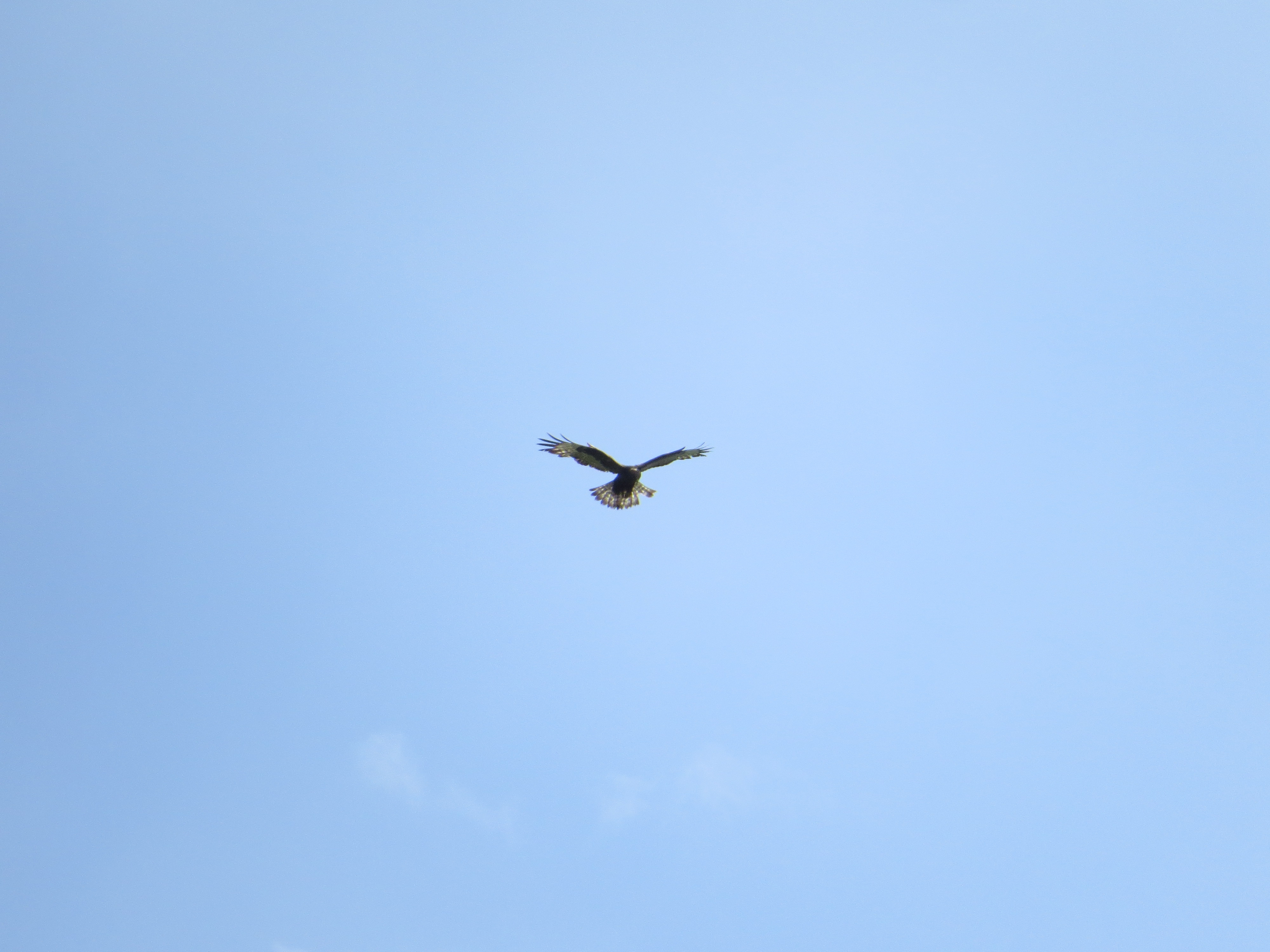
| Behaviors Observed | Gliding and hovering/kiting over marsh and fields. |
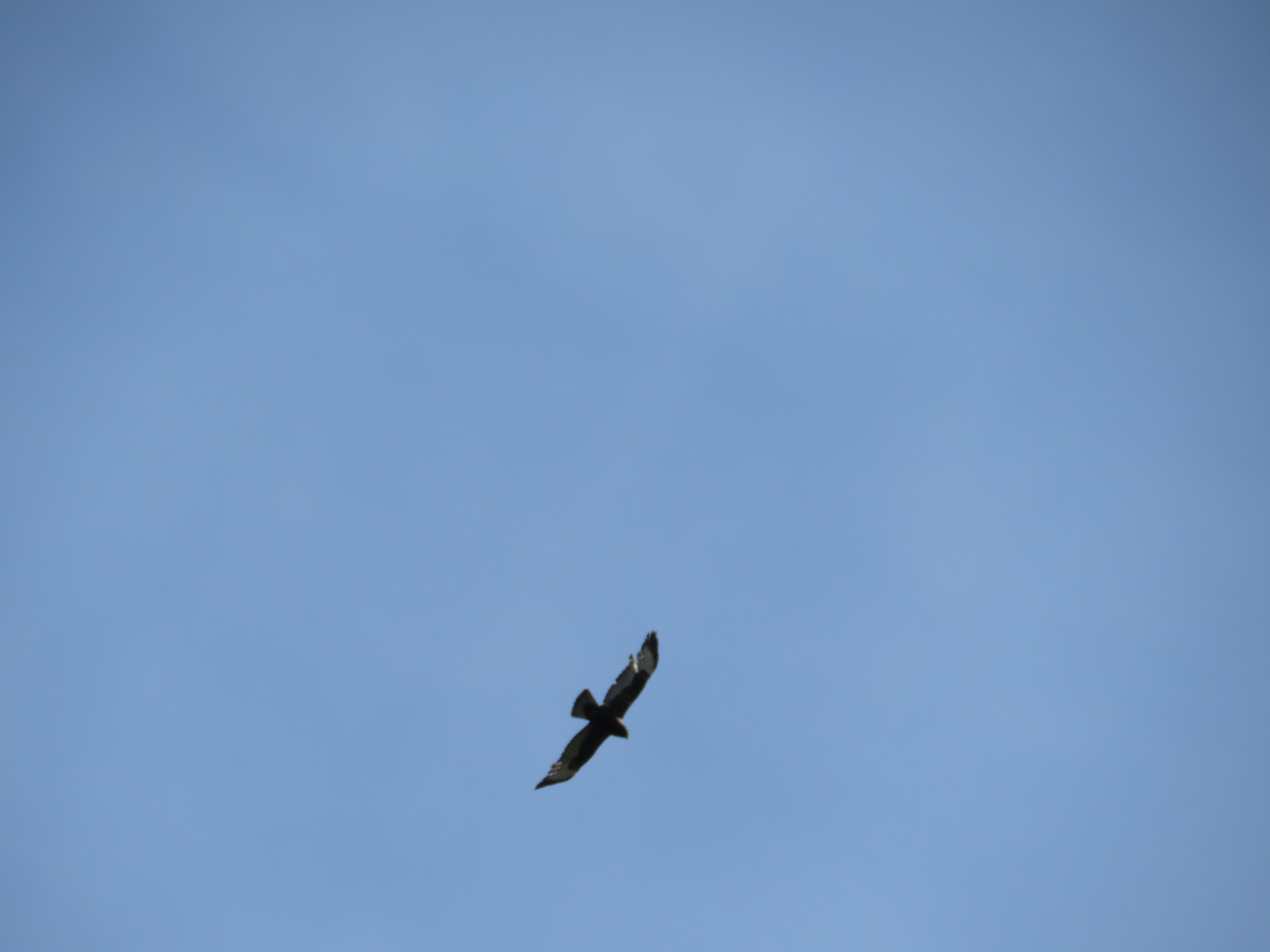
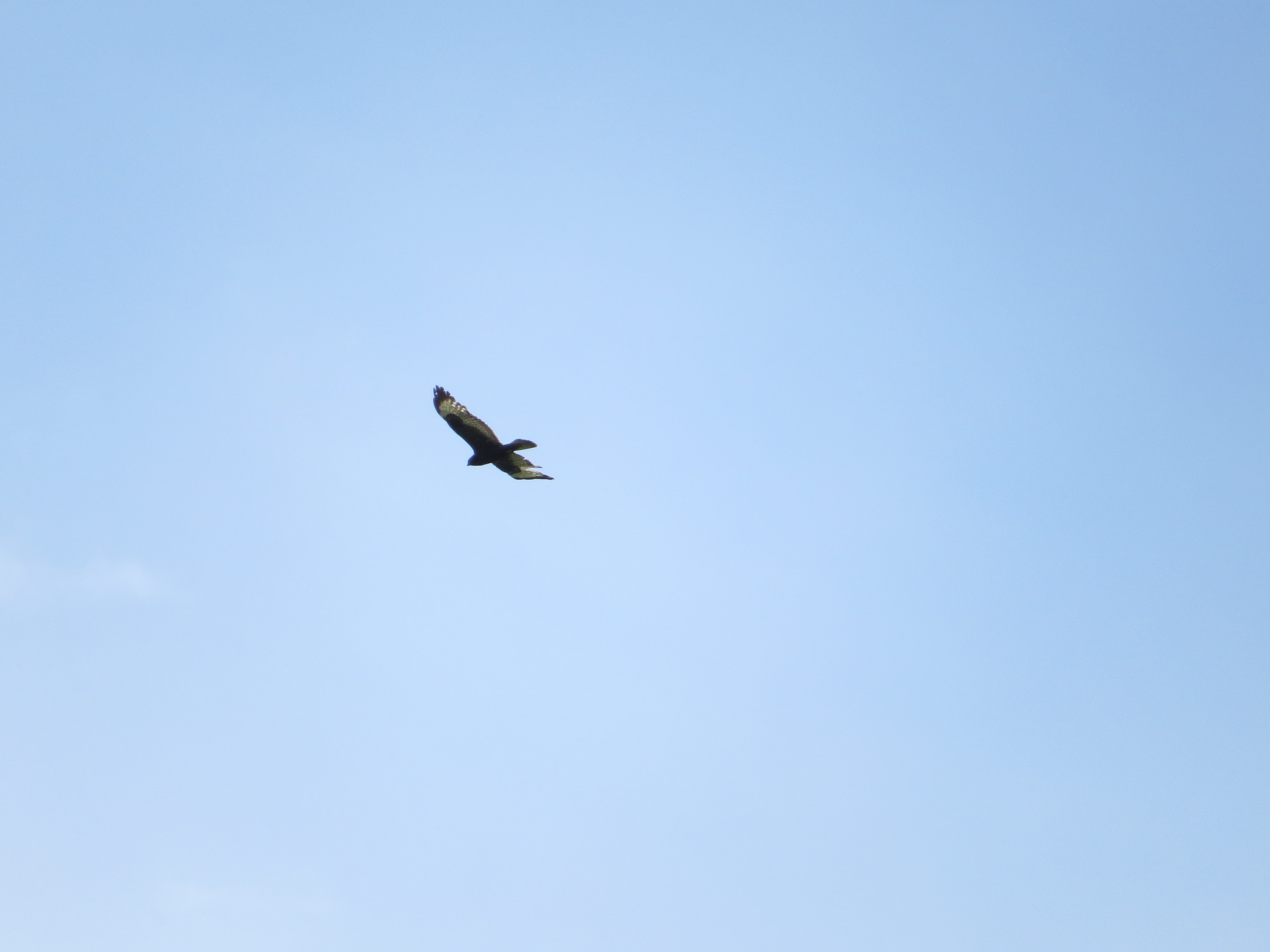
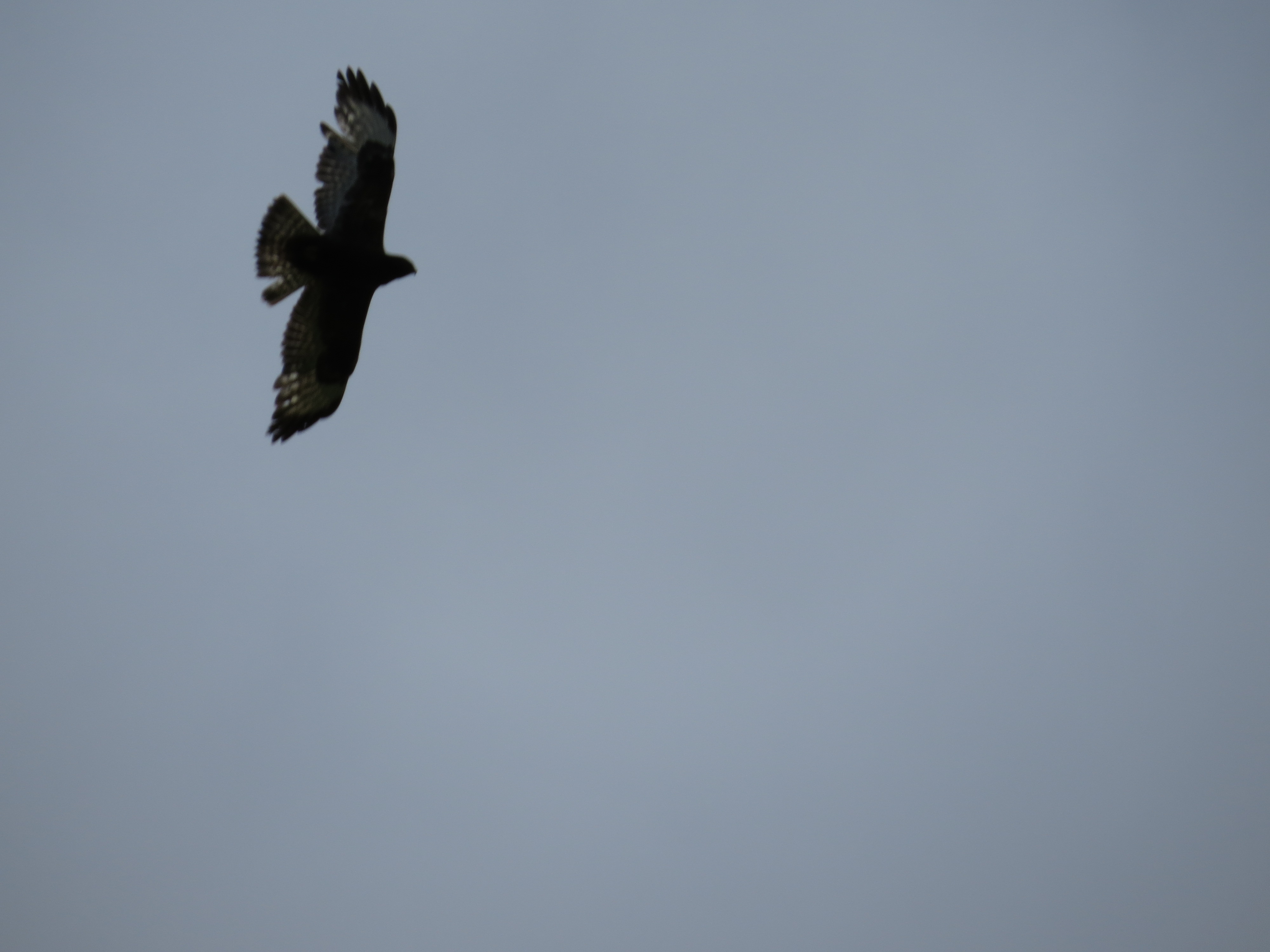
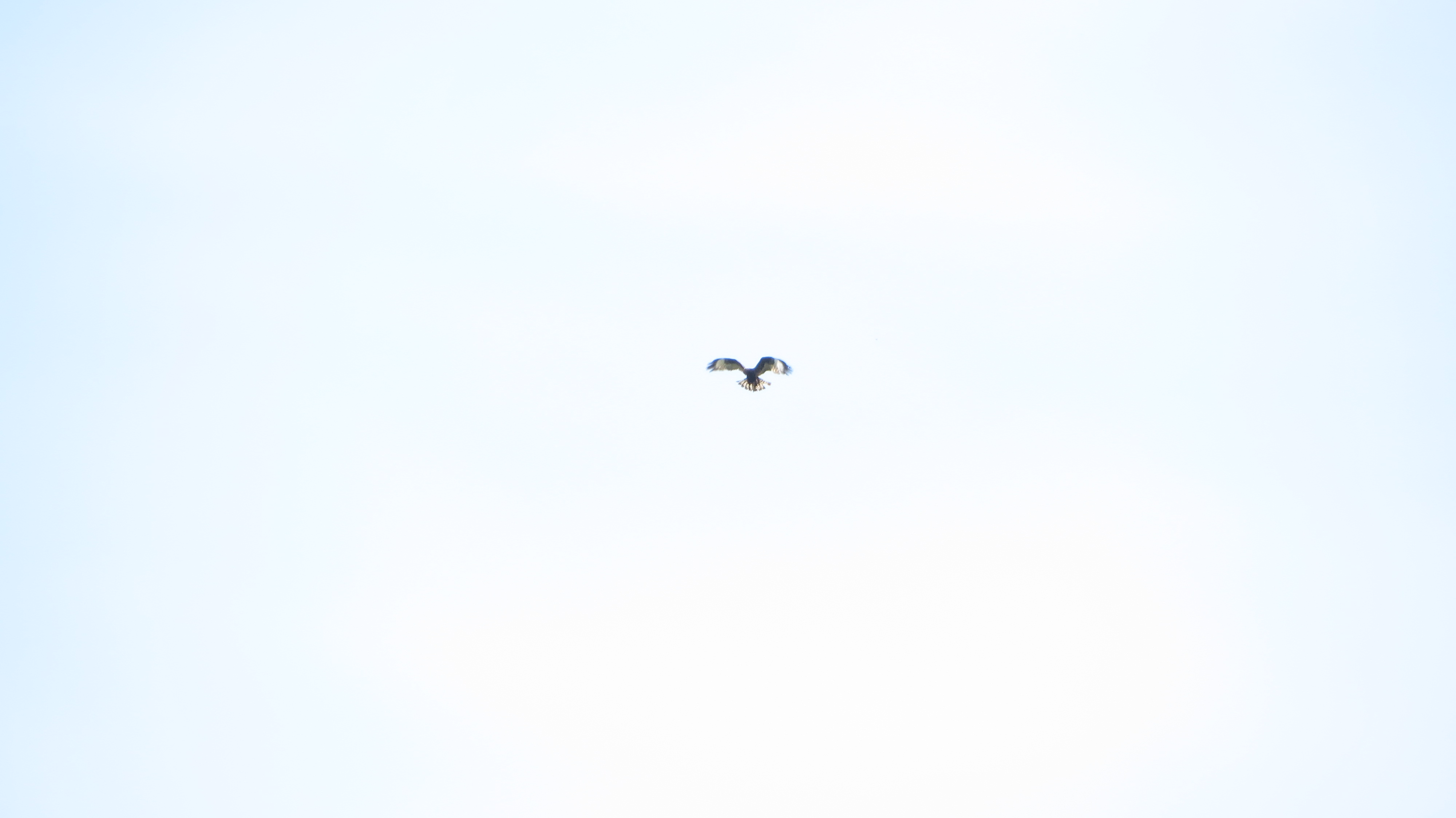
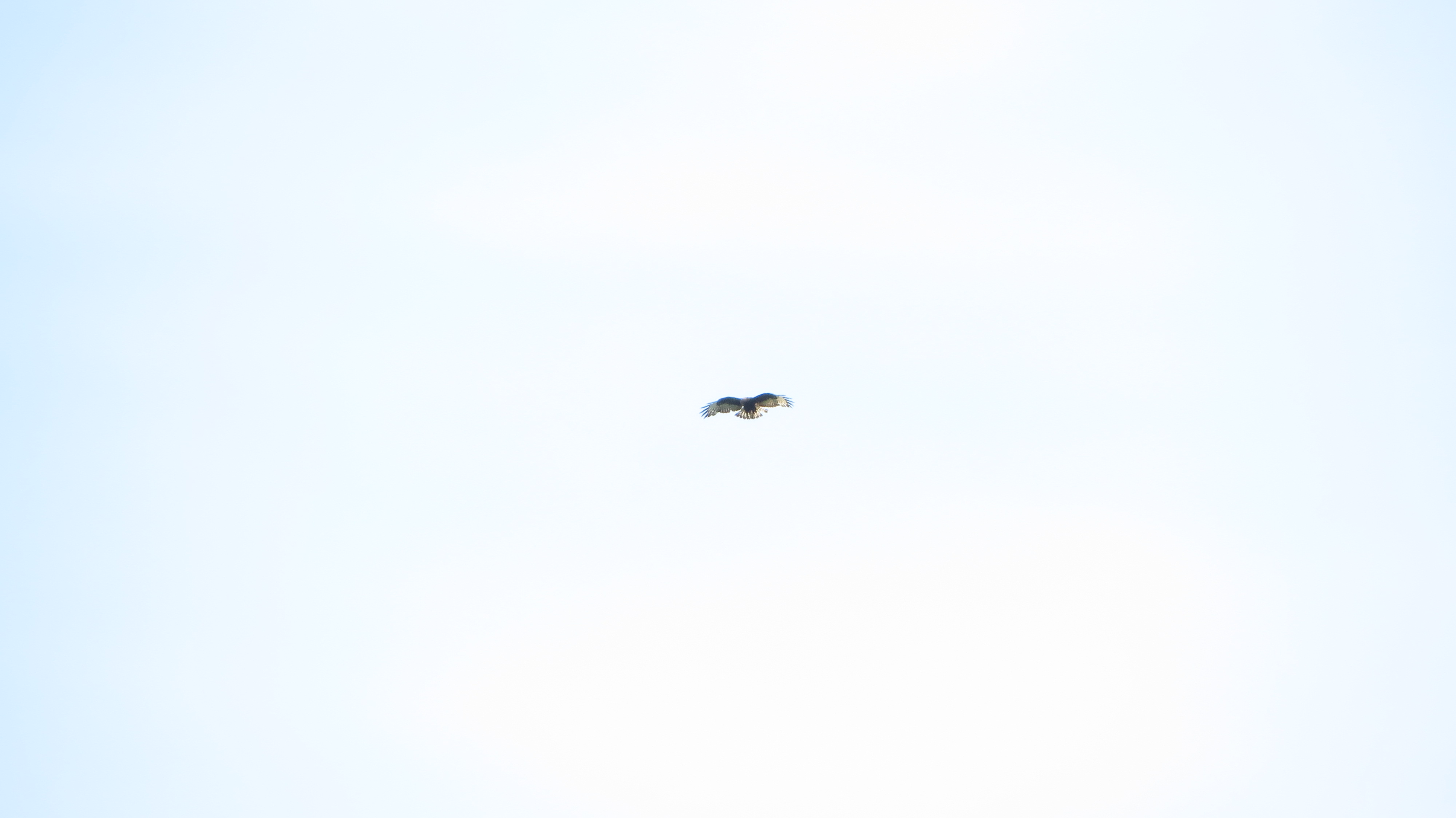
| Verbal Narrative & Description of Observation | We parked on the side of the road between the two marshy areas and quickly hopped out of the car to check out this unusual dark-morph hawk that had flown in from the northeast. During most of the short time the hawk was in viewing range we tried getting as many photos as we could as it glided over us and over the road and began kiting over the marsh and fields to the south of us. We focused our attention on the other birds in the area after getting enough photos and it eventually disappeared into the distance. Binoculars were not used much to observe this bird. |
| IMPORTANT: What similar species were eliminated when making the identification and how was this bird different? | The short-necked, blocky-headed, and small-beaked appearance supports Rough-legged. The kiting behavior in calm conditions would be unusual for a Red-tailed or Broad-winged. See additional comments from Ted Murin below. |
| Other Notes & Comments | Comments from Ted Murin: “Wow, that's late. Overall I really like the first photo where it appears to be in its typical hovering posture. If anything, the second and third photos strike me as a bit lanky if anything, which actually isn't a bad thing to rule out a more chunky dark morph (western or Harlan's) Red-tailed Hawk. Also this bird appears to have a wide dark terminal band on the tail followed by medium width and well-defined inner bands. This is very good for Rough-legged but not for Red-tailed, which would have many slender bands (juvenile western or Harlan's) possibly with a wide dark terminal band (some Harlan's) or just more washed out altogether (most Harlan's) . I also like the two-tiered effect of the coverts on the outer wing for Rough-legged, whereas the greater primary coverts are dark and the next tier in, the median primary coverts are darker still. (Good for Red-tailed too I suppose but we're done with that.) I like the relative primary feather lengths of the outer 5 primaries for Rough-legged, starting with the outer P10 shortest, P9 considerably longer, P8 longest, P7 slightly shorter, P6 similar to P9. Gray on the bill (cere) looks good. I like the flight feather barring being slightly stronger and better defined toward the ends of the feathers, and the lighter area at the base of the outer primaries. All this is good for Rough-legged though possibly for other species as well. However, in the end I'm not sure what's left to confuse it with, having ruled out Red-tailed. Briefly Zone-tailed tail and flight feather patterns wrong, Broad-winged shape and tail pattern wrong, Short-tailed shape and flight feather pattern wrong. So I think they identified it correctly. Also of interest is some of this bird's flight feathers appear tattered, which certainly wouldn't help encouraging it to fly long distances, and may or may not be a factor in its tardiness. Ted” |
| This report was written from notes taken: | Written from Memory |

Vermont Atlas of Life Partners