| Common Name | Northern Shoveler |
|---|---|
| Scientific Name | Anas clypeata |
| Type of Report | Out-of-Season |
| Date of Observation | 12/15/2017 |
| Media | |
| Number Observed | 1 |
| Reporting Observer's Name | Craig Provost |
| Mailing Address | P.O. Box 1241 Stowe, VT 05672 United States Map It |
| Email hidden; Javascript is required. | |
| Date Completed | 12/21/2017 |
| Names & Emails of Other Contributing Observers | None |
| Latitude of Observation (enter 0 if unable to provide) | 44.252807 |
| Longitude of Observation (enter 0 if unable to provide) | -73.280256 |
| Place Name | Long Point |
| Township | Ferrisburg |
| County | Addison |
| Vermont eBird Checklist URL | ebird.org |
| Time of Day | 12:24 PM |
| Length of Time Observed | 10 minutes |
| Maximum Estimated Distance from Bird (in feet) | 350 |
| Minimum Estimated Distance from Bird (in feet) | 350 |
| Noteworthy Weather Conditions | Overcast and windy. |
| Optical Equipment Used for Observation | Kowa Genesis 10x40 binoculars; Swarovski spotting scope 60x |
| Observer’s Previous Acquaintance With This or Similar Species | Have encountered this specie numerous times in Vermont and outside of Vermont. |
| I certify that any attachments included with this report were captured during this observation event. | |
| Description of Habitat | Open water near lake shoreline at mouth of Little Otter Creek. |
| Behaviors Observed | Foraging along ice edge. Did submerge head a few times. |
| Description of Vocalizations | None heard |
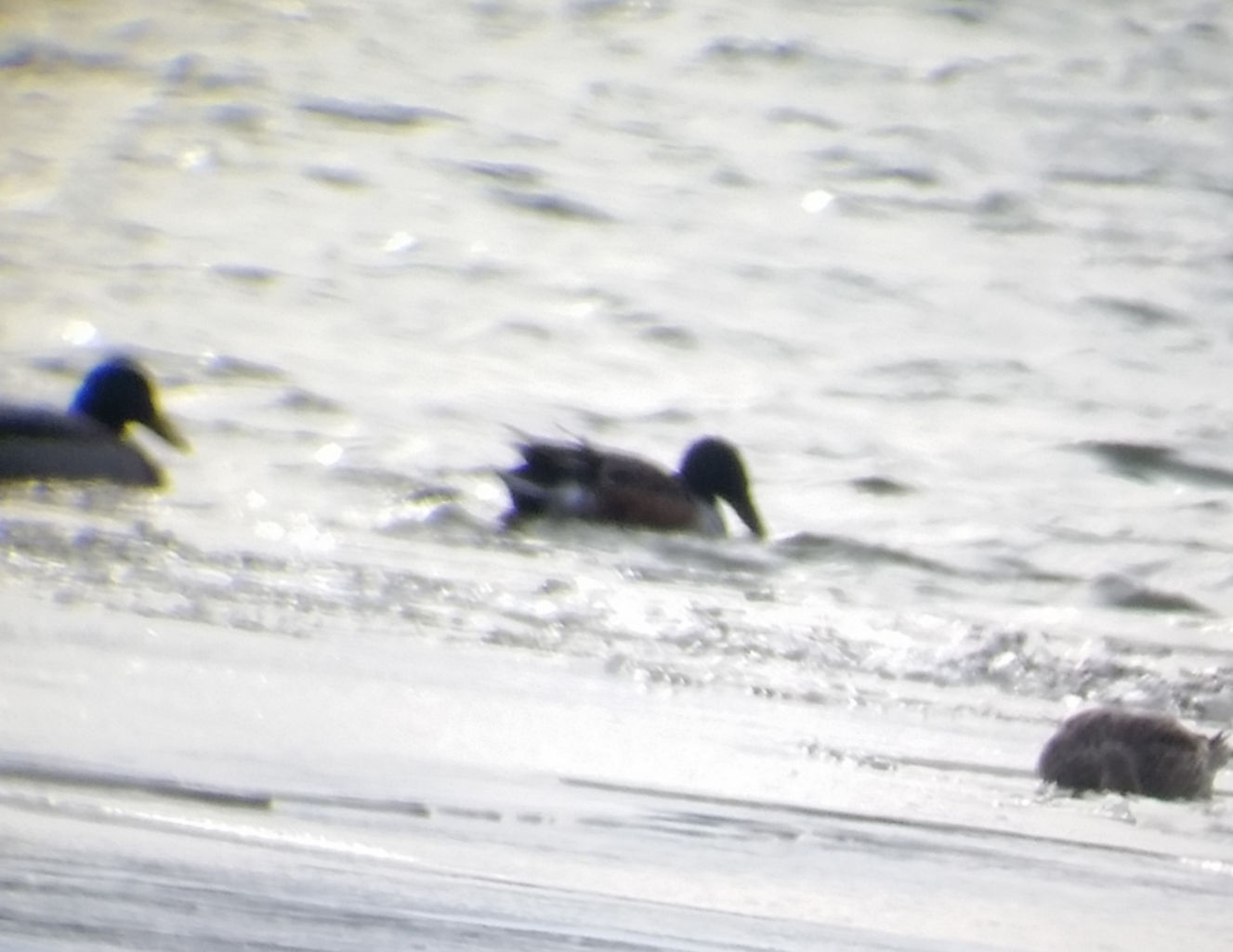
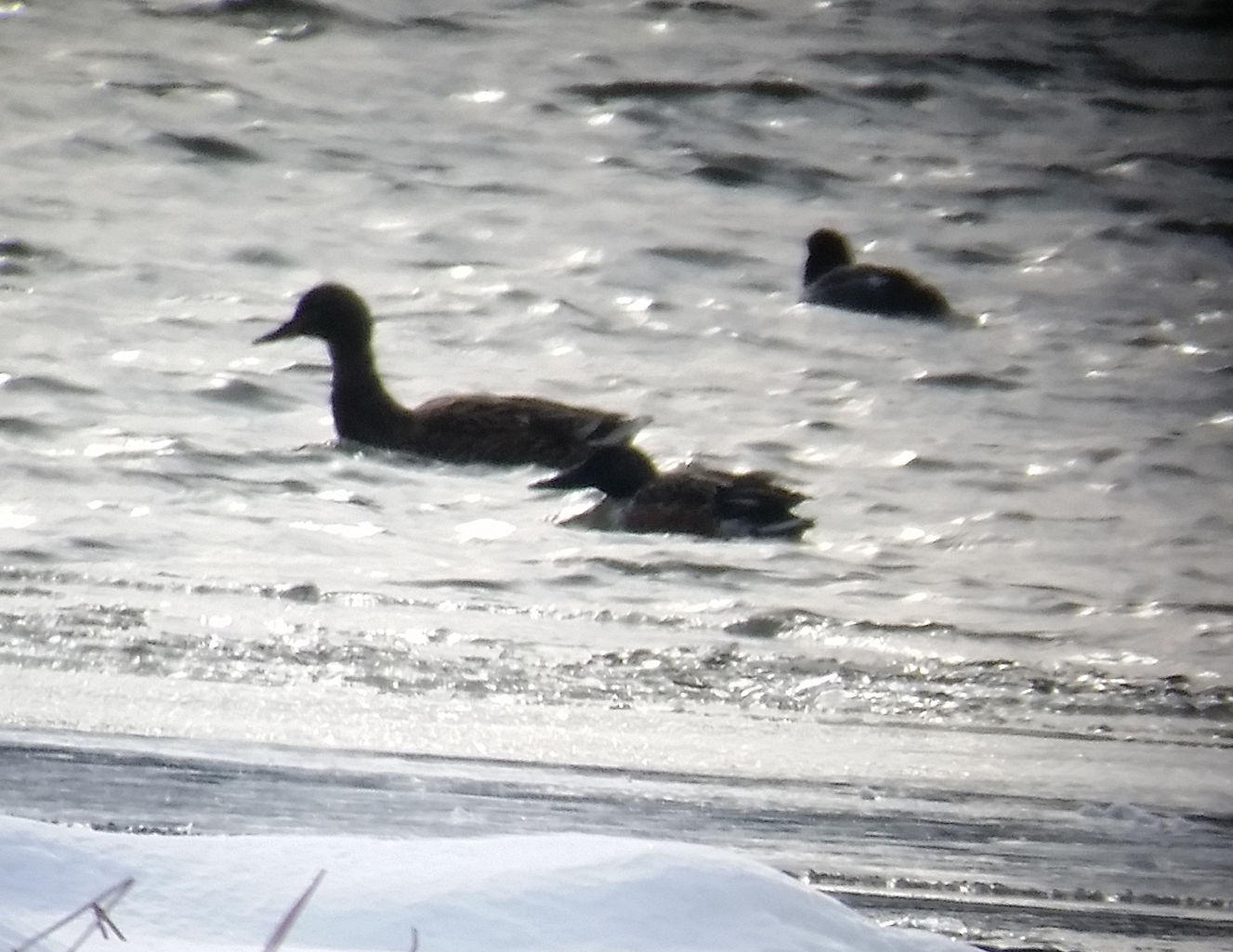
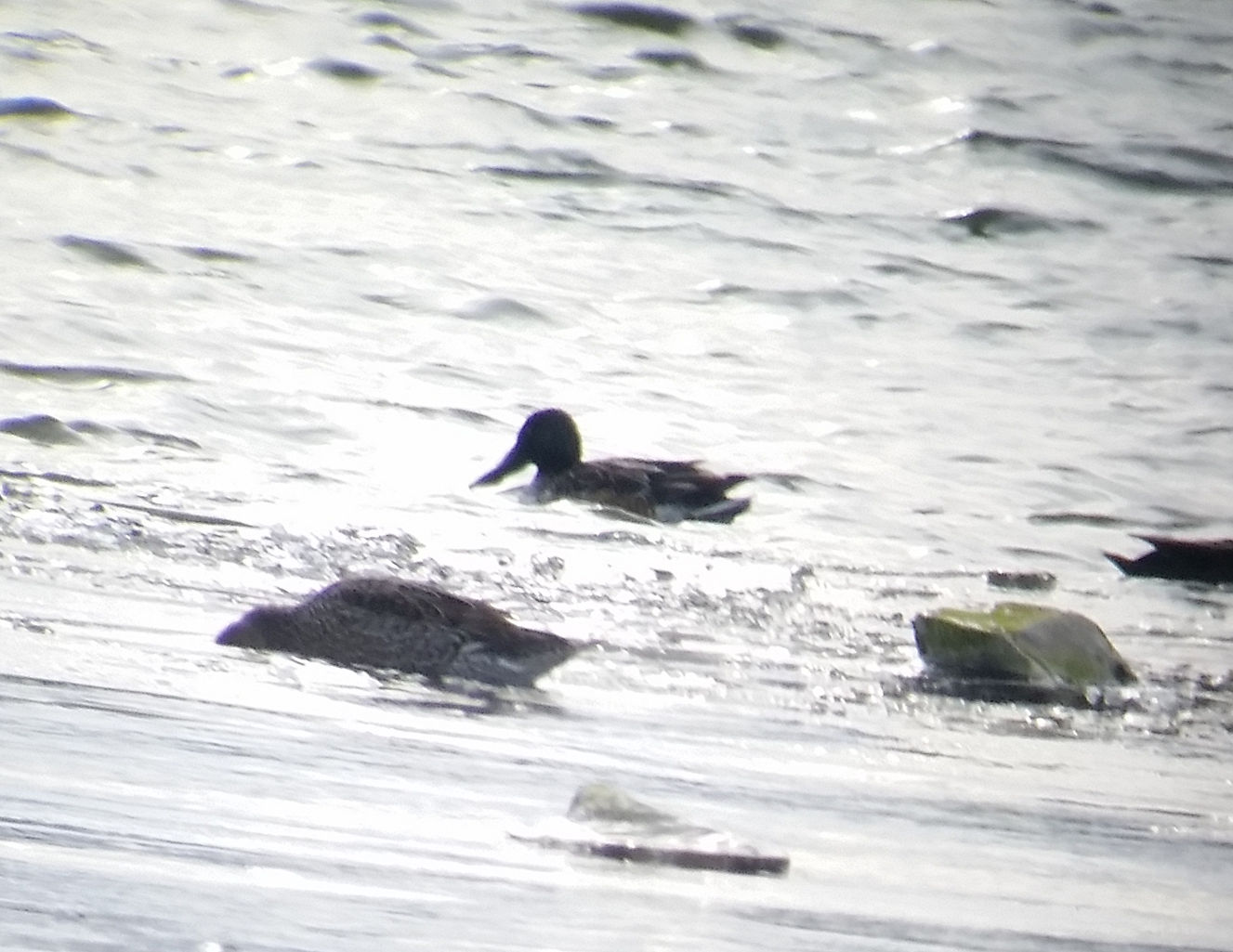
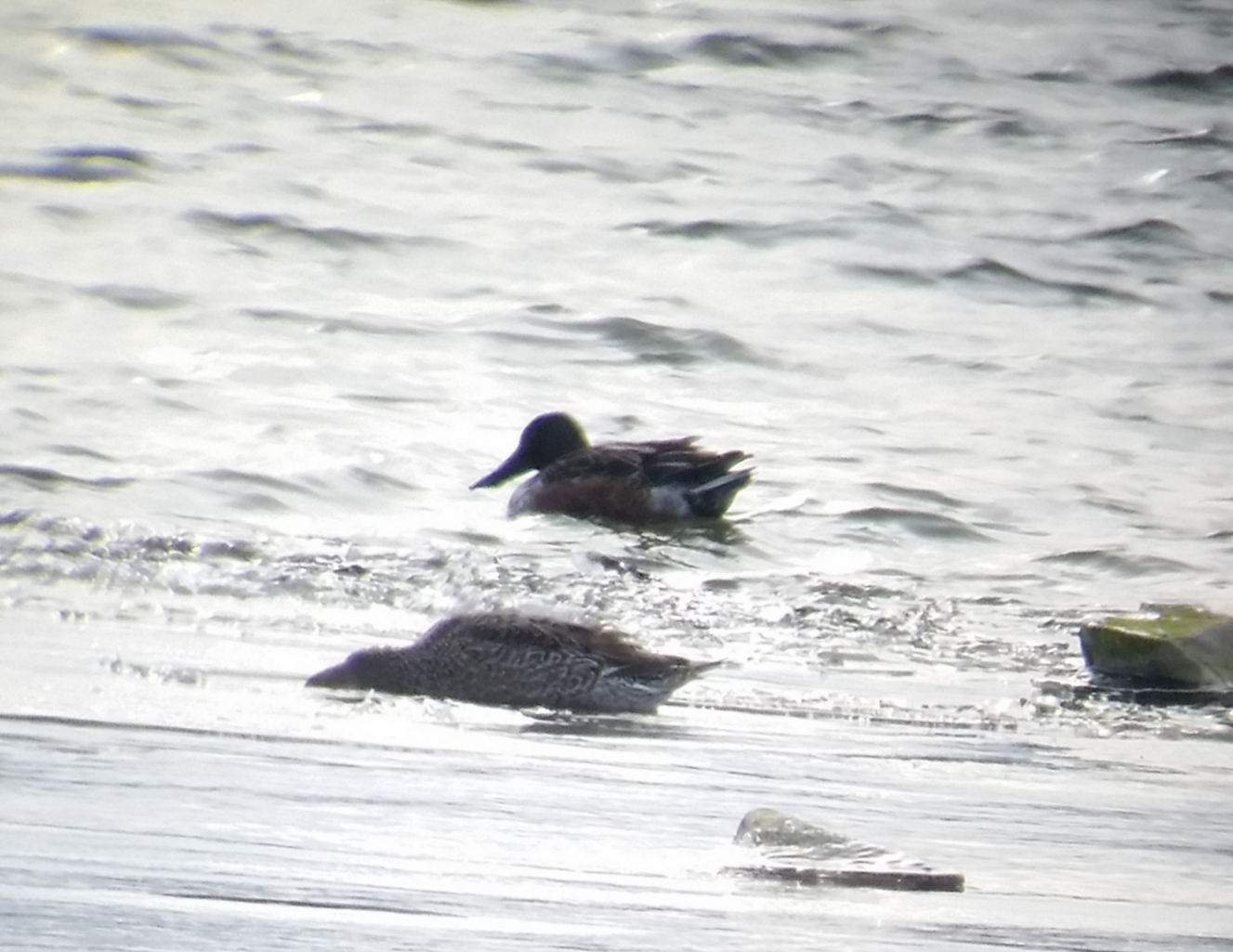
| Verbal Narrative & Description of Observation | Noticed group of waterfowl south of where I was. Initial scan with binoculars noticed a smaller duck mixed in with the Mallards, American Black Ducks, and female Northern Pintail. Located in scope and first look at bird showed a long, wide bill, longer than the head. After a few minutes observing it I then used cell phone to take photos through the scope. |
| Relative Size & Shape | Smaller than the numerous Mallards and American Black Ducks it was associated with. |
| Head | Appeared dark due to lighting but greenish tinted. |
| Feet & Bill | Bill shape noticed initially; longer and wider relative to the head compared to other species nearby. |
| Upper Back | Not clearly viewed but appeared darker compared to breast but lighter than the head. |
| Lower Back & Rump | Not clearly viewed. |
| Wings | Not viewed as bird remained on the water. |
| Breast, Belly, Flanks, Under Tail Coverts | White breast, reddish along flanks toward tail with white separating the reddish from the black undertail. |
| Tail | White along sides of tail. Tail extending slightly beyond wingtips. |
| IMPORTANT: What similar species were eliminated when making the identification and how was this bird different? | Bill shape and field marks viewed and photographed separate it from all other waterfowl species. |
| Other Notes & Comments | Male |
| This report was written from notes taken: | Written from Memory |
Vermont Atlas of Life Partners