| Common Name | Prothonotary Warbler |
|---|---|
| Scientific Name | Protonotaria citrea |
| Type of Report | Rare Species |
| Date of Observation | 05/18/2018 |
| Media | |
| Number Observed | 1 |
| Reporting Observer's Name | Allan Strong |
| Mailing Address | 9 Sebring Road South Burlington, VT 05403 United States Map It |
| Email hidden; Javascript is required. | |
| Date Completed | 05/19/2018 |
| Names & Emails of Other Contributing Observers | Rachel Fallon |
| Latitude of Observation (enter 0 if unable to provide) | 44°31'18.9"N |
| Longitude of Observation (enter 0 if unable to provide) | 73°14'06.8"W |
| Place Name | Macrae Farm Park |
| Township | Colchester |
| County | Chittenden |
| Vermont eBird Checklist URL | ebird.org |
| Time of Day | 09:20 AM |
| Length of Time Observed | 20 min |
| Maximum Estimated Distance from Bird (in feet) | 75 feet |
| Minimum Estimated Distance from Bird (in feet) | 50 feet |
| Noteworthy Weather Conditions | Not the best light...generally looking toward the sun, although the sun was relatively high by this time of day. |
| Optical Equipment Used for Observation | 10 x 42 Zeiss |
| Observer’s Previous Acquaintance With This or Similar Species | I have seen this species many times while living in AR, MO, and LA. |
| I certify that any attachments included with this report were captured during this observation event. | |
| Description of Habitat | Floodplain forest (green ash and silver maple) with standing water. Least Flycatcher, Great Crested Flycatcher, Northern Waterthrush, Yellow-throated Vireo, and Solitary Sandpiper present. |
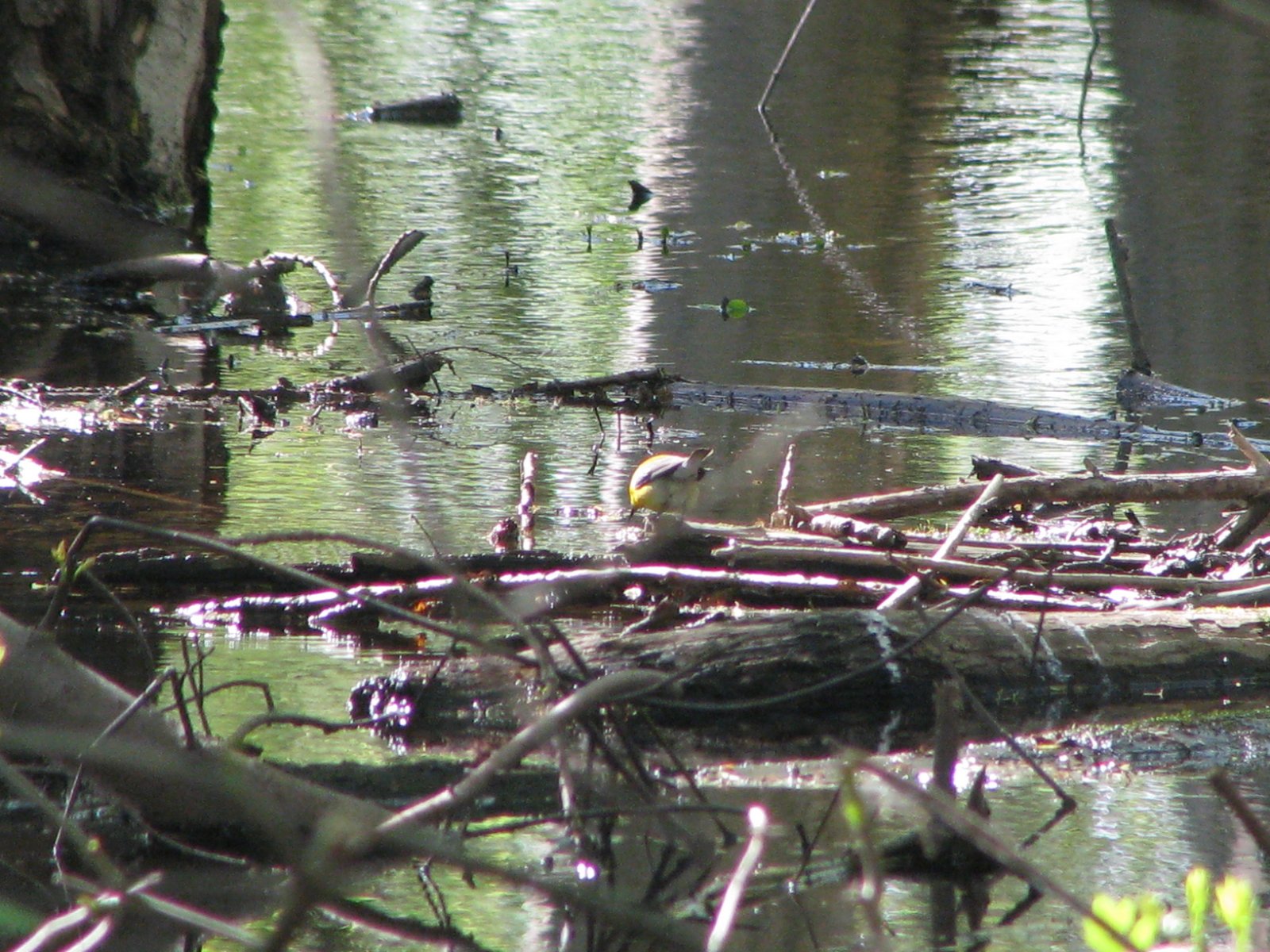
| Behaviors Observed | Bird was feeding on the ground at the edge of the "puddle" primarily along the base of trees or where there were small "islands" |
| Description of Vocalizations | None |
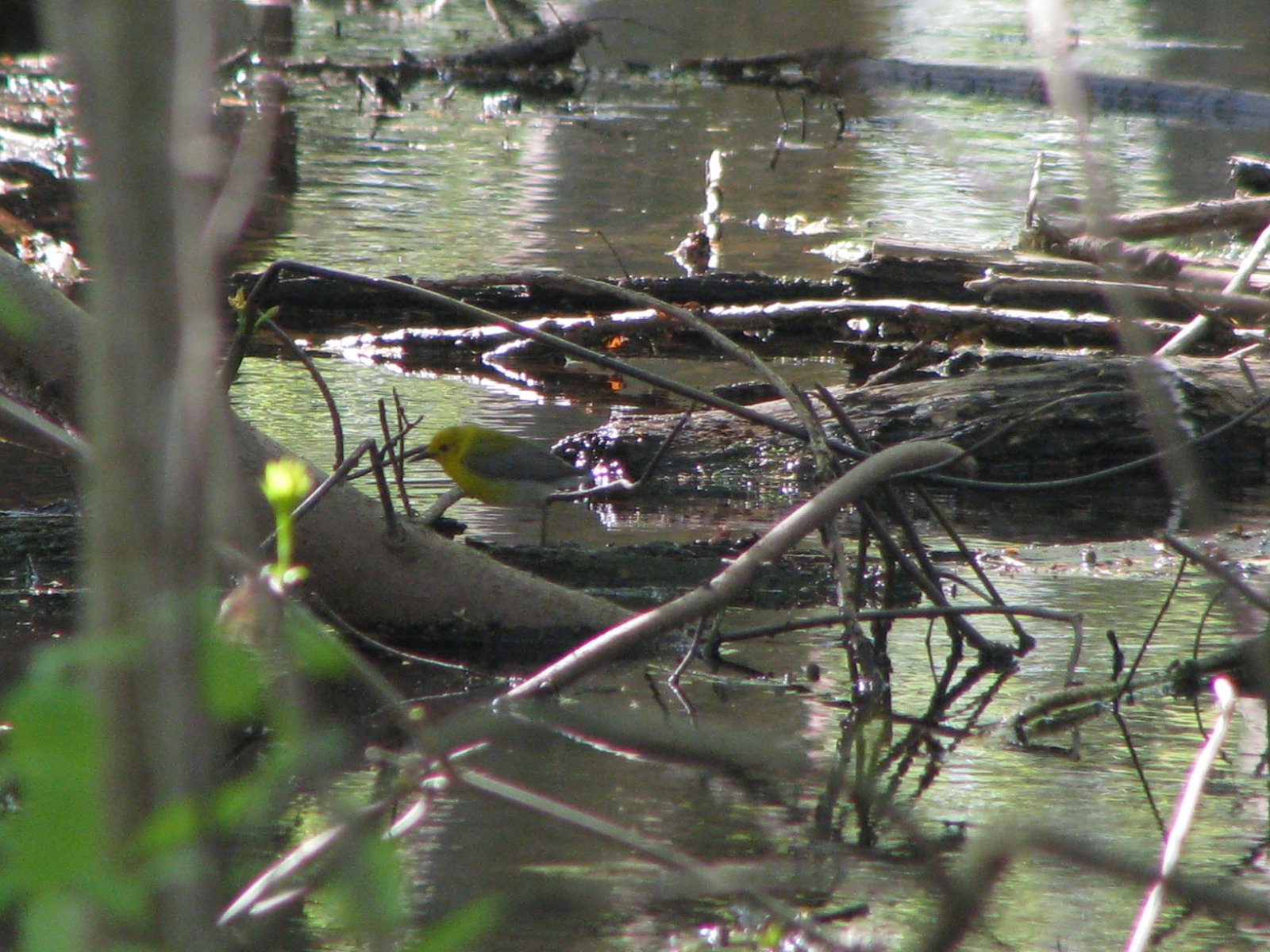
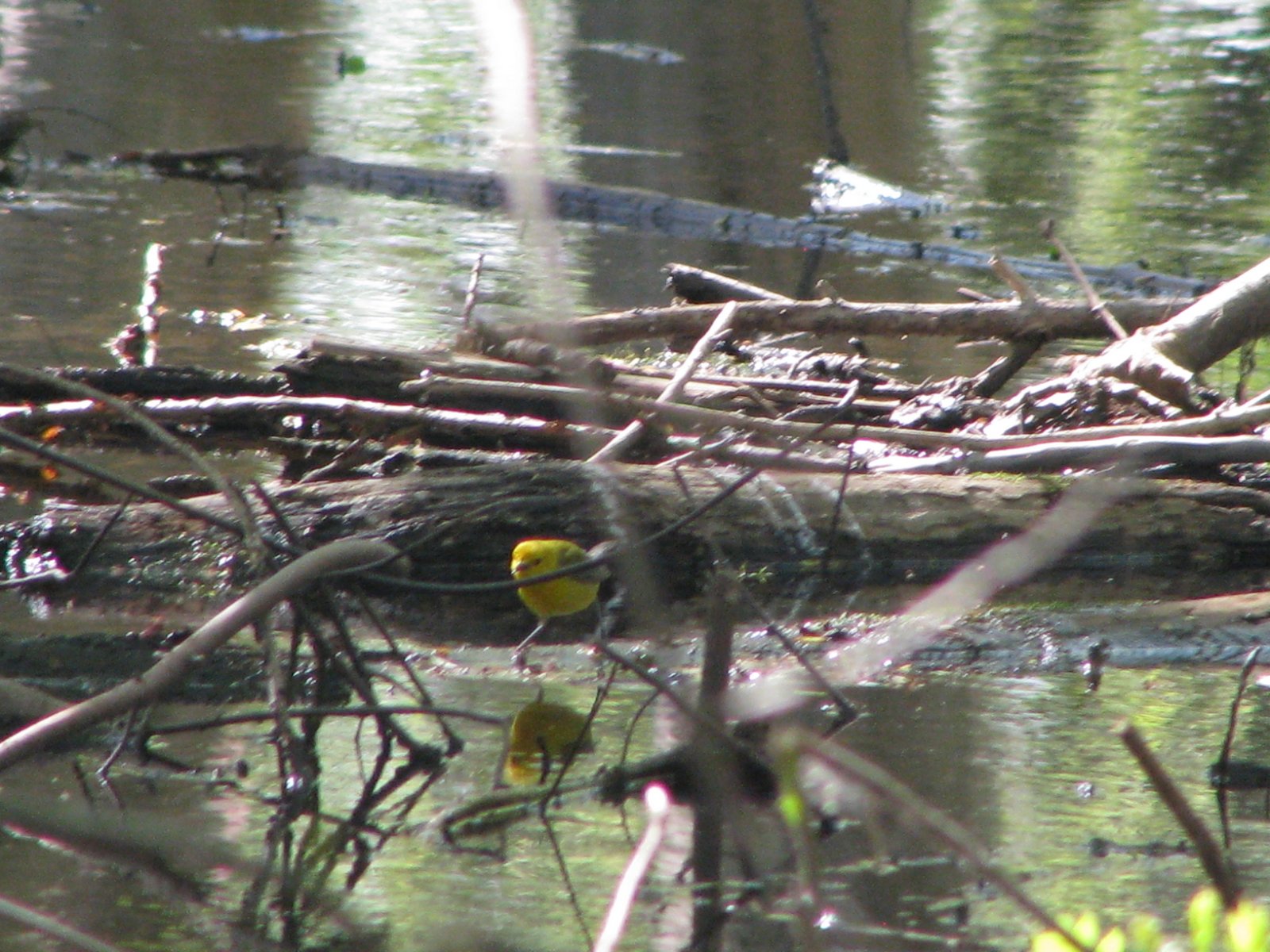
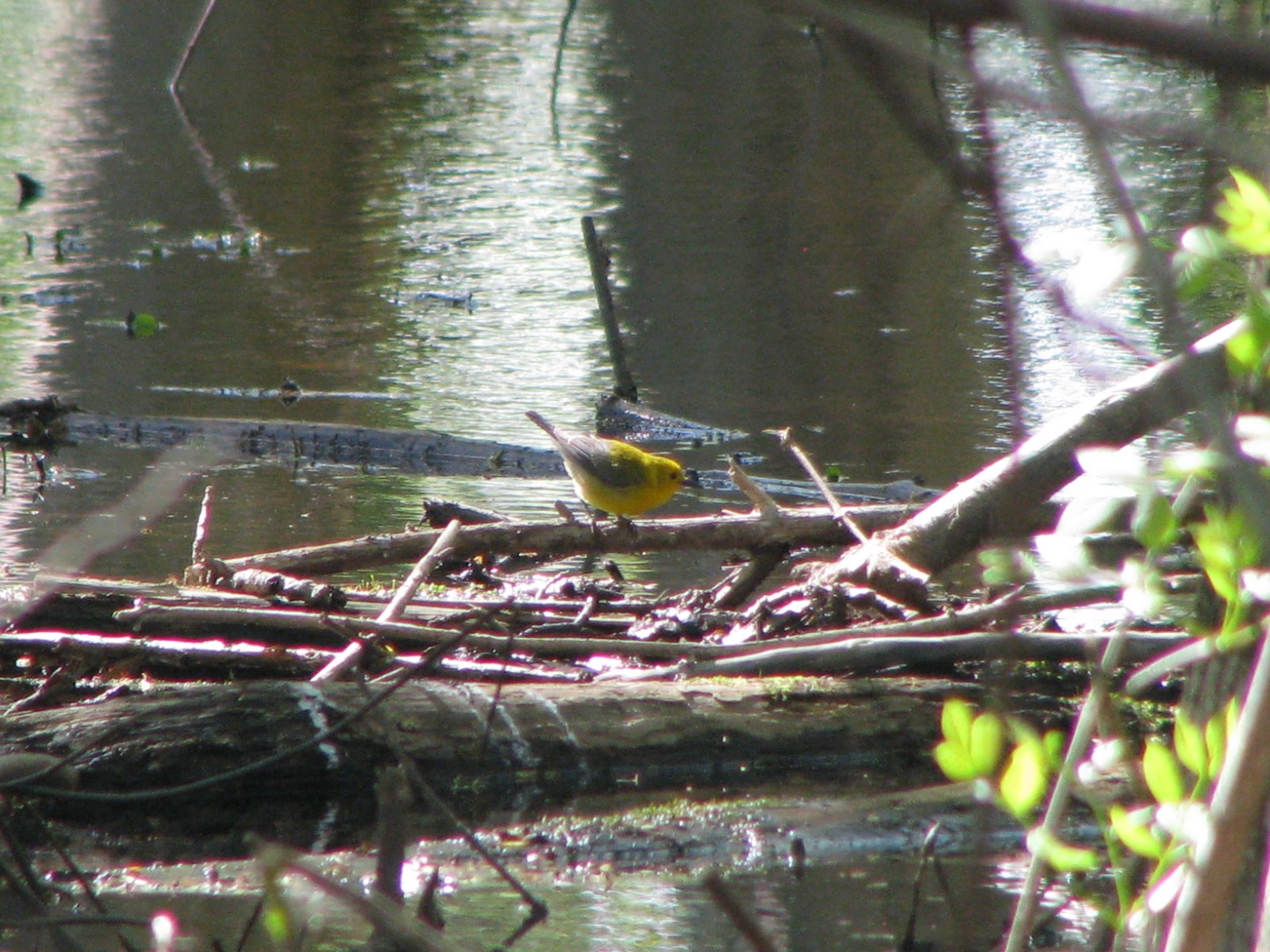
| Verbal Narrative & Description of Observation | When I observed the bird, it was quite obvious that it was not a Yellow Warbler because of the notable dark eye that stood out against the yellow face. When I suspected Prothonotary, we moved closer and were able to note that the undertail coverts and tail spots were white and that the bird had plain steel-gray wings. |
| Relative Size & Shape | Warbler-sized. |
| Head | Plain yellow with dark eye. |
| Feet & Bill | Dark bill, longer than "normal" for warblers. |
| Upper Back | Yellow-green. |
| Lower Back & Rump | Grading to gray |
| Wings | Steel gray, no markings |
| Breast, Belly, Flanks, Under Tail Coverts | Yellow, white undertail coverts. |
| Tail | White tail spots. |
| IMPORTANT: What similar species were eliminated when making the identification and how was this bird different? | Key distinction was eliminating Yellow Warbler which is common in the area. Steel gray wings, white undertail coverts and white tail spots are the important distinction. These features also eliminate female Common Yellowthroat. |
| Other Notes & Comments | Apparently in the interest of finding an unusual bird, I decided not to carry my camera into the field. Luckily Don Miller came upon us and loaned me his camera for some record shots. |
| This report was written from notes taken: | Written from Memory |
Vermont Atlas of Life Partners