| Common Name | Hooded Warbler |
|---|---|
| Scientific Name | Setophaga citrina |
| Type of Report | Rare Species |
| Date of Observation | 05/10/2018 |
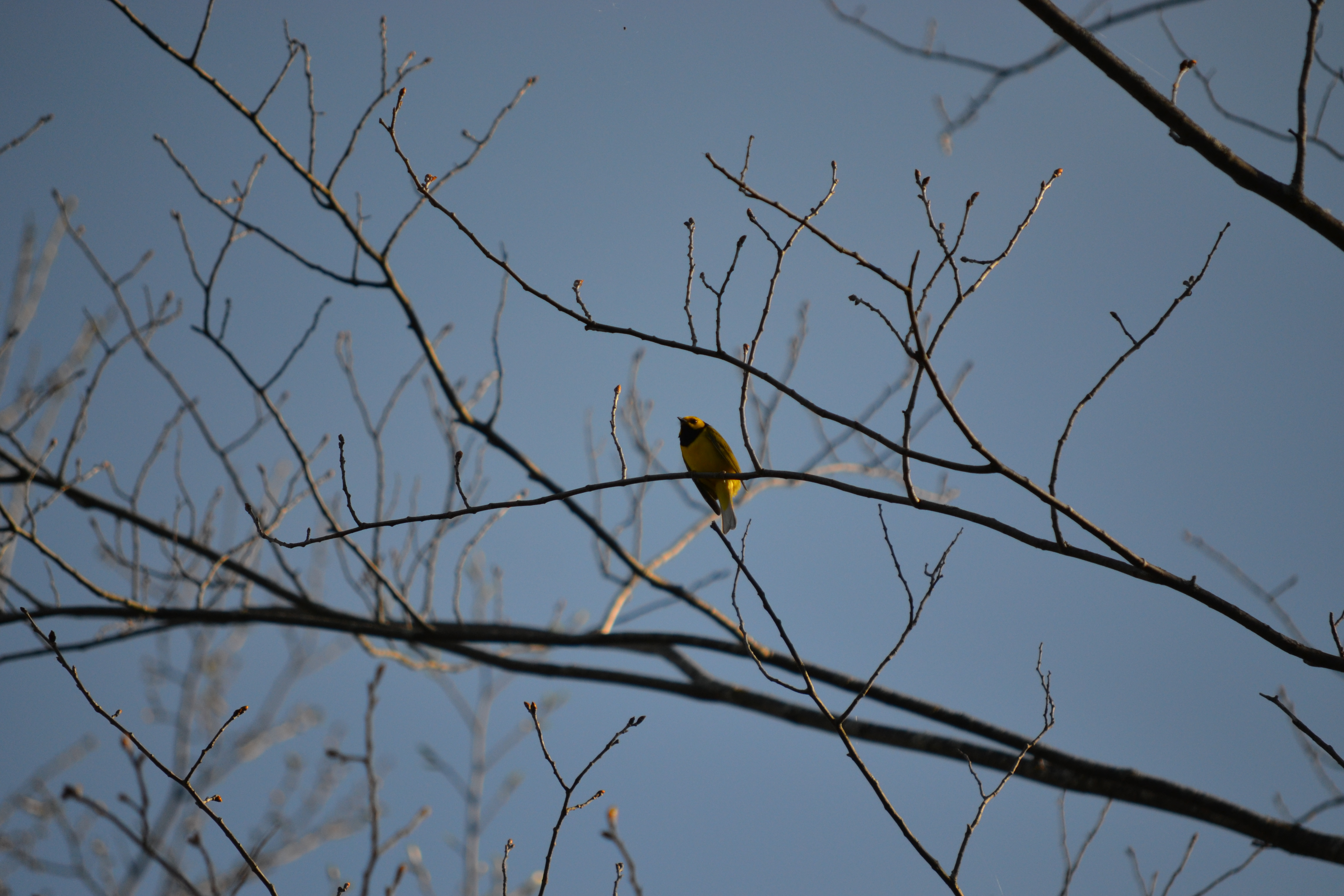
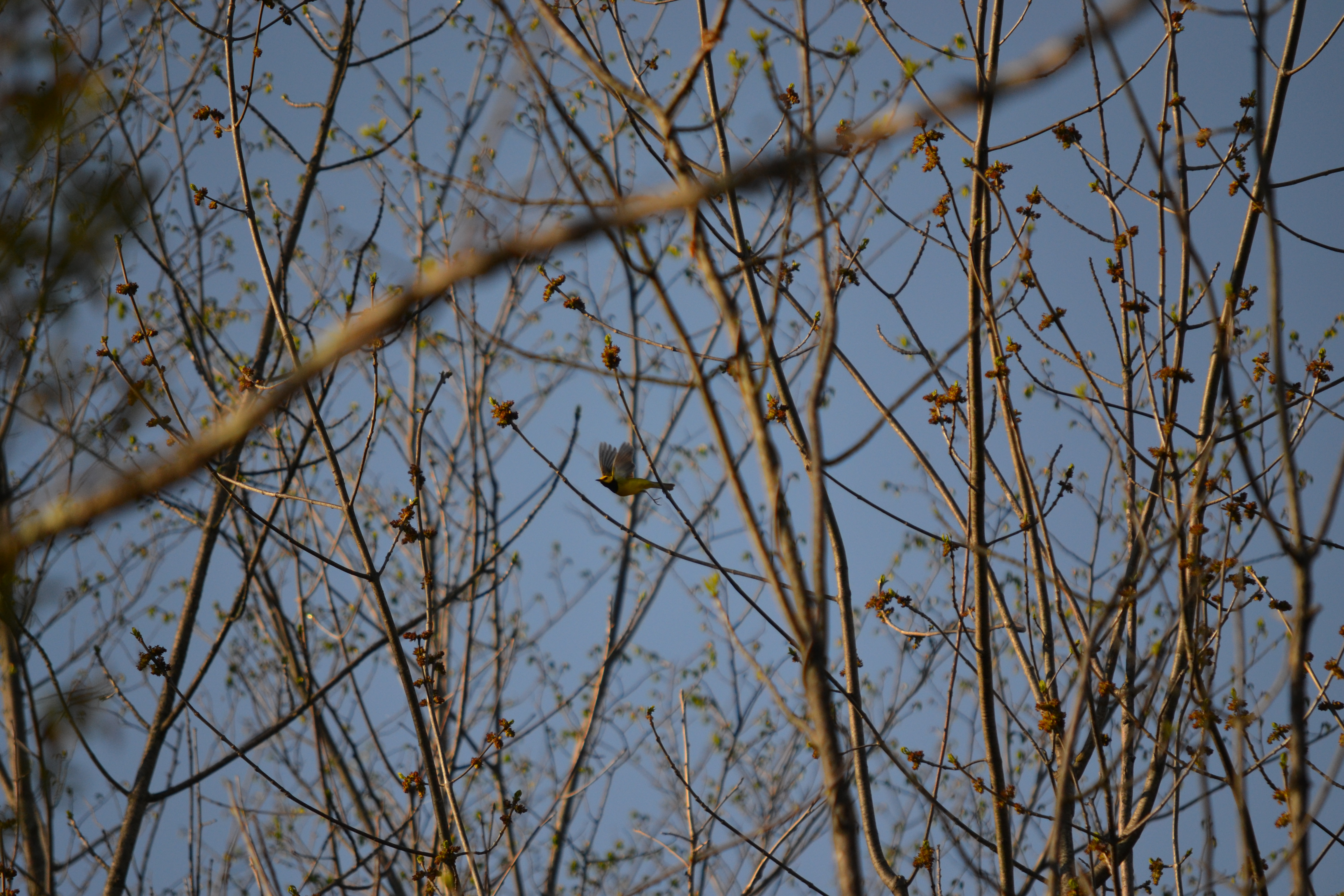
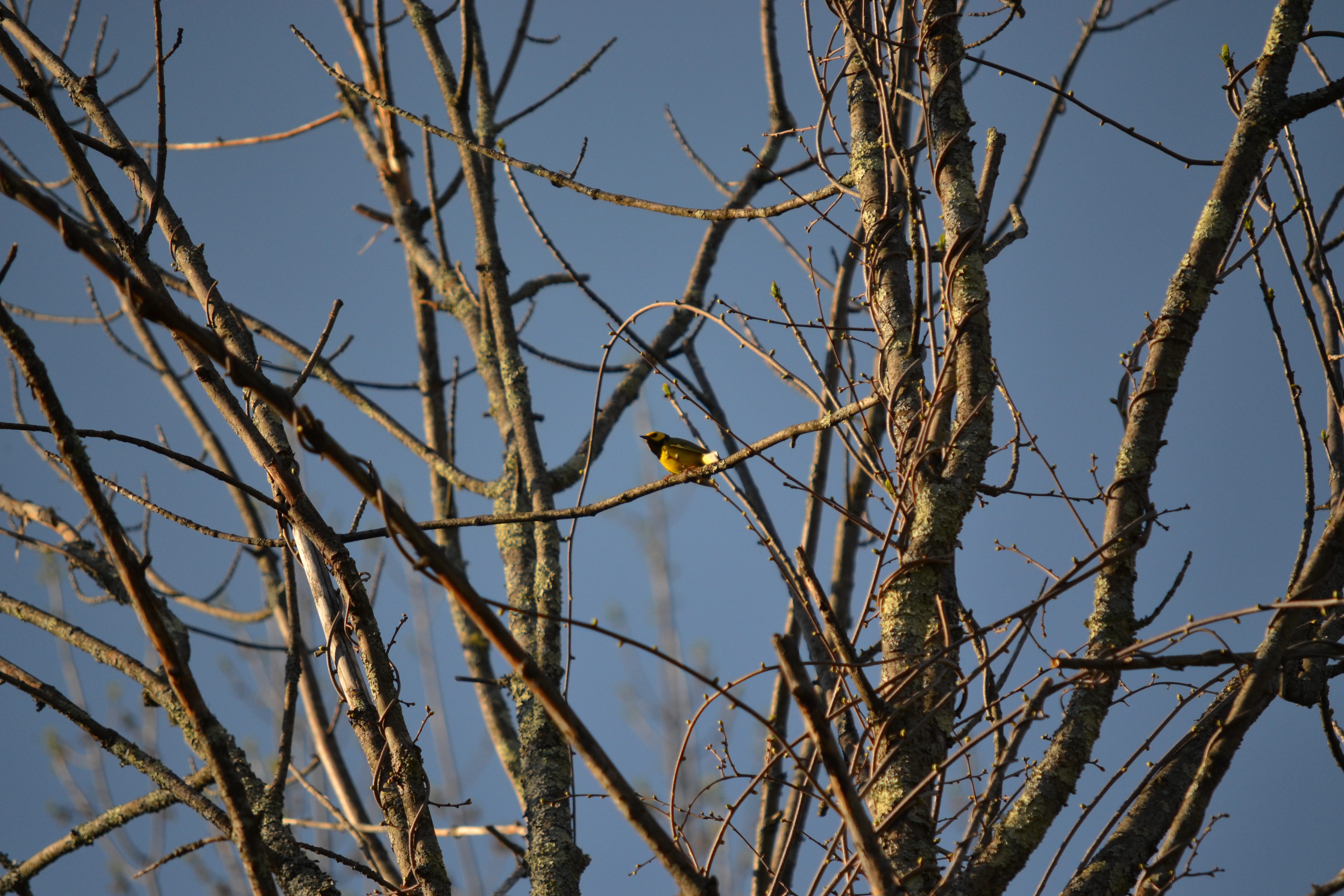
| Media | |
| Number Observed | 1 |
| Reporting Observer's Name | Nicholas Tepper |
| Mailing Address | 29 Apple Blossom Ln. Stow, Massachusetts 01775 United States Map It |
| Email hidden; Javascript is required. | |
| Date Completed | 05/15/2018 |
| Latitude of Observation (enter 0 if unable to provide) | 44.3414845 |
| Longitude of Observation (enter 0 if unable to provide) | -73.1265322 |
| Place Name | Geprags Community Park |
| Township | Hinesburg, VT |
| County | Chittenden |
| Vermont eBird Checklist URL | ebird.org |
| Time of Day | 08:16 AM |
| Length of Time Observed | 7 minutes |
| Maximum Estimated Distance from Bird (in feet) | 100 |
| Minimum Estimated Distance from Bird (in feet) | 30 |
| Noteworthy Weather Conditions | Full sun with no wind. Air temp around 65-70 degrees Fahrenheit at the time of the encounter. |
| Optical Equipment Used for Observation | Vortex 8X42 Crossfire binoculars. |
| Observer’s Previous Acquaintance With This or Similar Species | Seen and heard in Massachusetts twice before. |
| I certify that any attachments included with this report were captured during this observation event. | |
| Description of Habitat | A stand of young (10-30ft tall) ash and maple with a thick understory of shrubs and vines on the east edge of a grassy field. Birds heard and seen in the same habitat (within 500ft) included Golden-winged Warbler, Eastern Towhee, Northern Harrier (flew over while I was observing the Hooded Warbler), Northern Cardinal, American Robin, Black-and-White Warbler, and a Tufted Titmouse. |
| Behaviors Observed | Heard singing about 100ft into the brush. He came out into the open about 30ft away after hearing my playback, and began calling aggressively and fluttering around quickly from branch to branch with wings tips extended away from his body, and his shoulders "shrugged" (See HOWA2.JPG). I left soon after. |
| Description of Vocalizations | Song was a melodic "taweet-taweet-taweee-ti-choo" with a loud, sharp end note that descended in pitch. |
| Verbal Narrative & Description of Observation | I heard a bird singing in the brush, and pondered its identity for a couple seconds before realizing it could be a Hooded Warbler. I then positioned myself kneeling on the ground amongst a honeysuckle, and decided to use a Merlin app playback from a small handheld bluetooth speaker to draw the bird in for a positive identification. After one playback of the bird's song, I heard the bird had come closer (perhaps to 50ft), but it was still hidden. I then played a second repetition of the song followed by call notes. The bird then flew high into a maple tree where I could see it clearly for a positive ID. Realizing I had an adult male Hooded Warbler, I snapped many pictures as he fluttered from tree to tree in front of me perhaps 30ft away. I observed him calling (a metallic "chip") and exhibiting a stressed posture with wings tips extended away from his body, and his shoulders "shrugged" (See HOWA2.JPG), so I quickly decided to back off as to not bother him further. |
| Relative Size & Shape | A "Warbler-shaped" bird about perhaps just larger than half the length of an American Robin. |
| Head | The eyes were striking black in a bright yellow mask with light gray lines extending to the bill. The yellow mask extended down and back from the eye about three eye lengths, and was surrounded by a black "hood". The black "hood" extended from the upper-breast to the throat, and wrapped around the yellow eye-mask to the crown of the bird. The nape was green, and extended into the black "hood". |
| Feet & Bill | The legs and feet were dull pink, and the legs were just shorter than the bird's tail. The bill was sharp, black, and had about the same proportions and shape as the bill of a Common Yellowthroat. |
| Upper Back | The upper back was a dull olive-green. |
| Lower Back & Rump | The lower back and rump were the same color as the upper back, a dull olive-green. |
| Wings | The wings were dull olive-green and were unmarked. When perched, the wings were pointed and extended just past the bird's rump. When flying, the ends of the wings were blunt, and the first three to four primaries could easily be distinguished. |
| Breast, Belly, Flanks, Under Tail Coverts | The breast (starting from the edge of the black "hood") was a bright yellow extending into the belly, flanks, and the under tail coverts. |
| Tail | The tail was about four fifths the length of the bird's body, and was dull olive green above. The underside of the tail was not seen very well, but a flashing of a color lighter than that of the under tail coverts was observed in flight. |
| IMPORTANT: What similar species were eliminated when making the identification and how was this bird different? | Yellow Warblers do not have a black hood. |
| Other Notes & Comments | Plumage suggested an adult male. |
| This report was written from notes taken: | Written from Memory |
Vermont Atlas of Life Partners